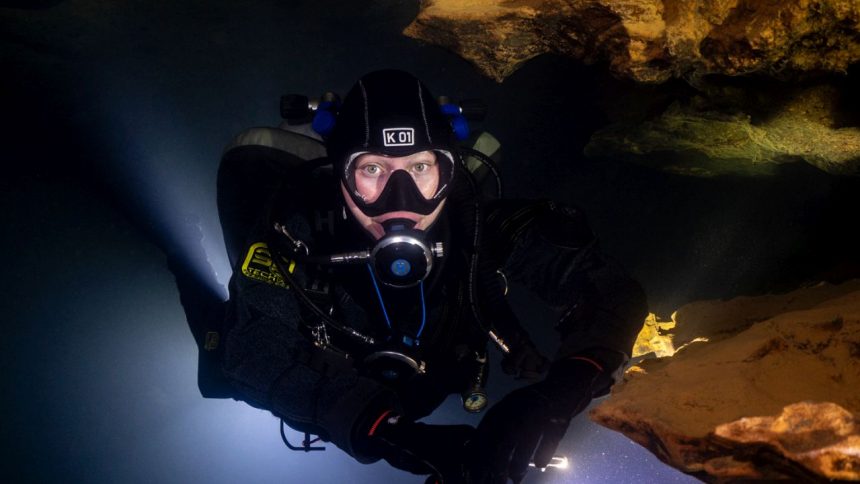
France offers one of the most extensive cave diving landscapes in Europe, with more than 20,000 known caves and a wide range of active underwater systems. Major cave diving regions are located in the Lot department around Rocamadour, the Ardèche valley in southeastern France, and the Jura region in eastern France.
These areas differ significantly in infrastructure, accessibility, and geological characteristics, creating a highly diverse range of underwater environments.
French cave diving regions
France’s cave systems vary strongly in structure, accessibility, and diving conditions. While some regions offer well-developed infrastructure and organized diving support, others are remote and require full self-sufficiency. This variation makes France one of the most diverse cave diving countries in Europe.
Lot Department – Rocamadour region
The Lot Dèpartment, located in the Midi-Pyrénées region of southwestern France, is one of the most established cave diving areas in the country.
The historical town of Rocamadour is a central reference point in the region. Rocamadour is known for its medieval architecture and its sanctuary of the Blessed Virgin Mary, which has attracted pilgrims for centuries, including kings, bishops, and nobles.
In the surrounding area, several cave diving sites are located, ranging from moderate to highly technical systems. The region benefits from relatively good diving infrastructure, including filling stations such as The Cave To Be, which support extended exploration activities.
Emergence de Ressel
Emergence de Ressel is one of the most well-known cave diving sites in France. The cave entrance was first explored by divers in 1968, with an initial penetration of approximately 150 meters. By 1973, the guideline had been extended to around 300 meters. Over time, exploration has continued, and the main line today reaches approximately 4,500 meters. The system offers long penetration distances and generally good visibility, depending on seasonal conditions.
Trou Madame
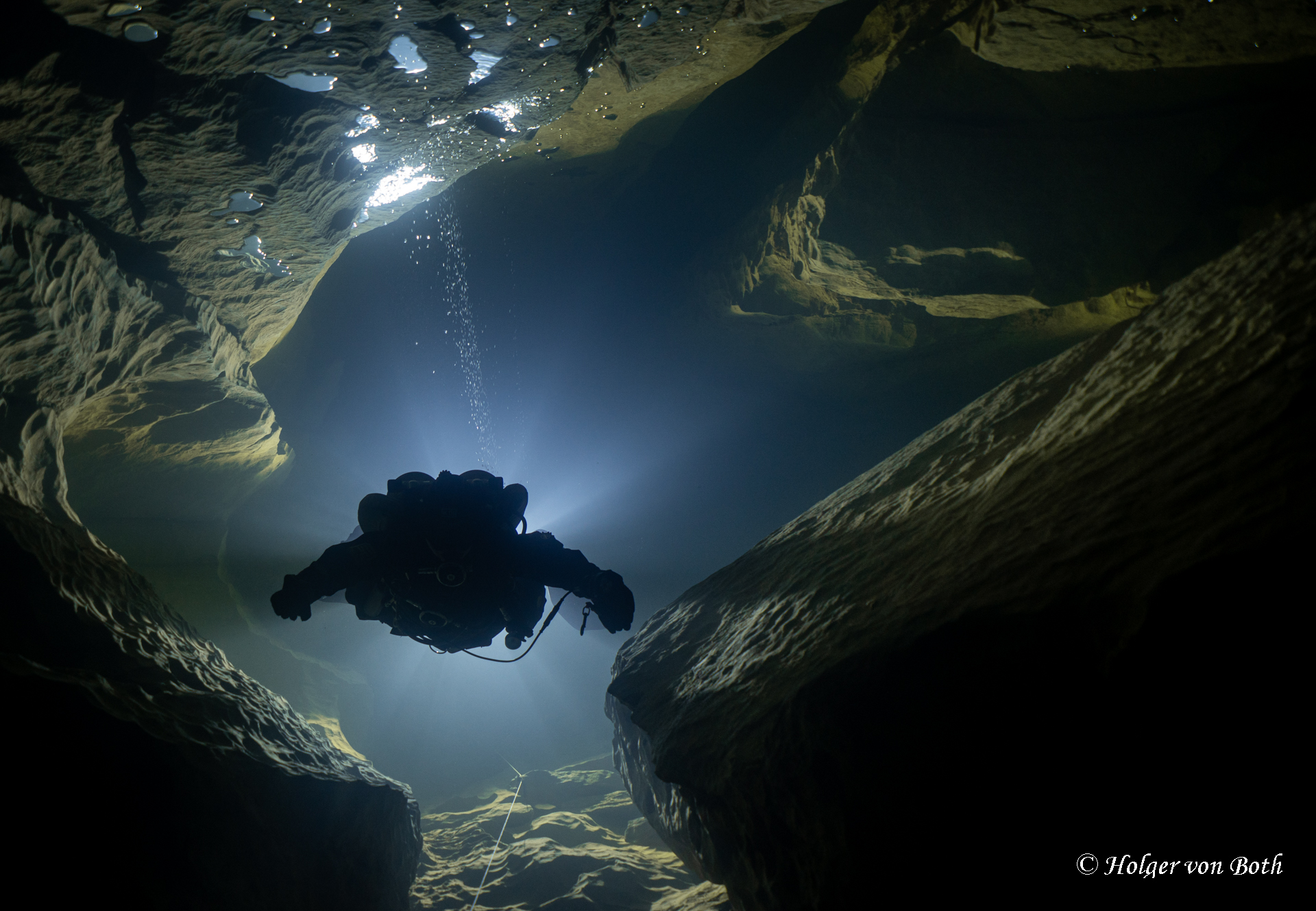
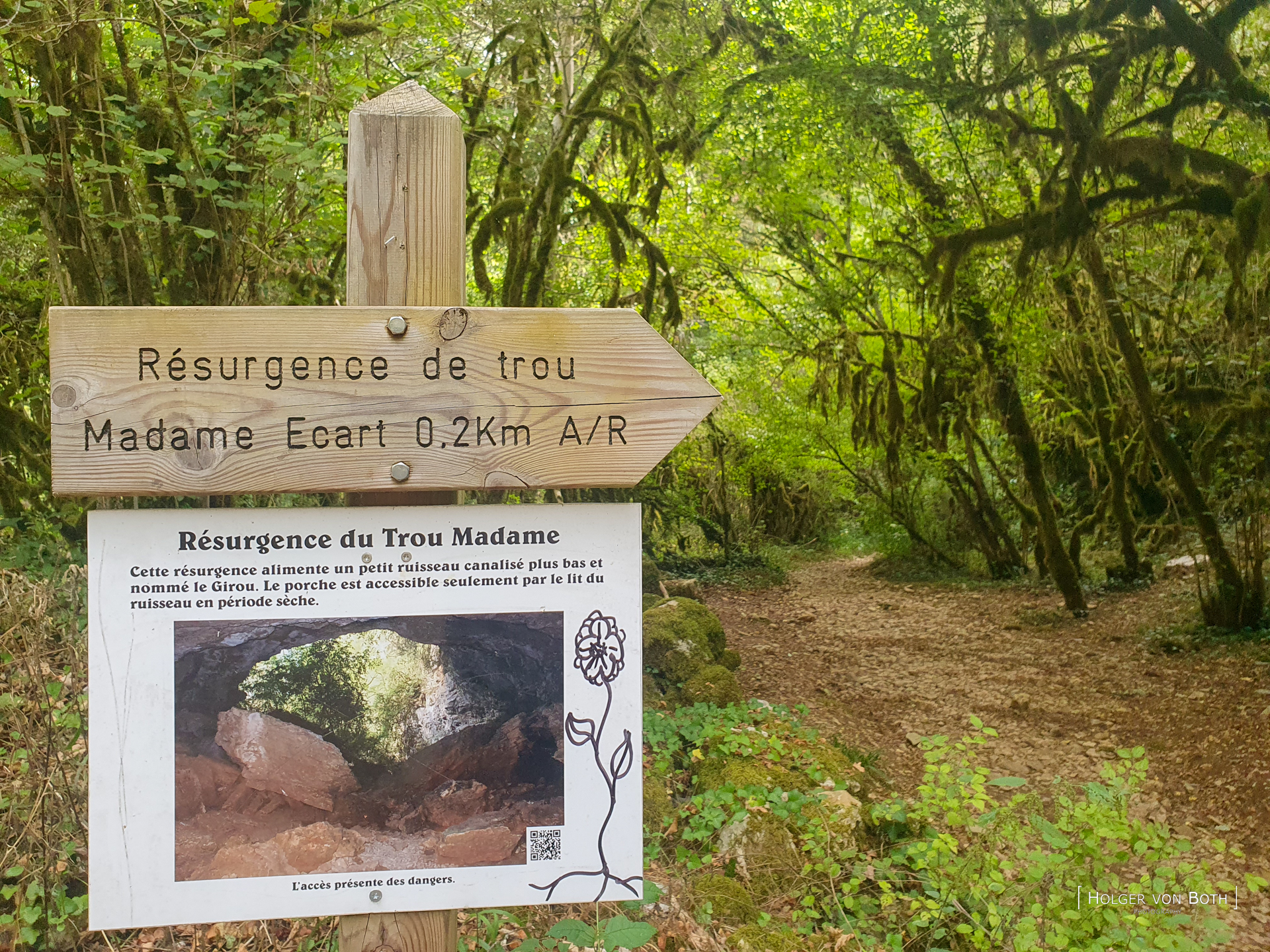
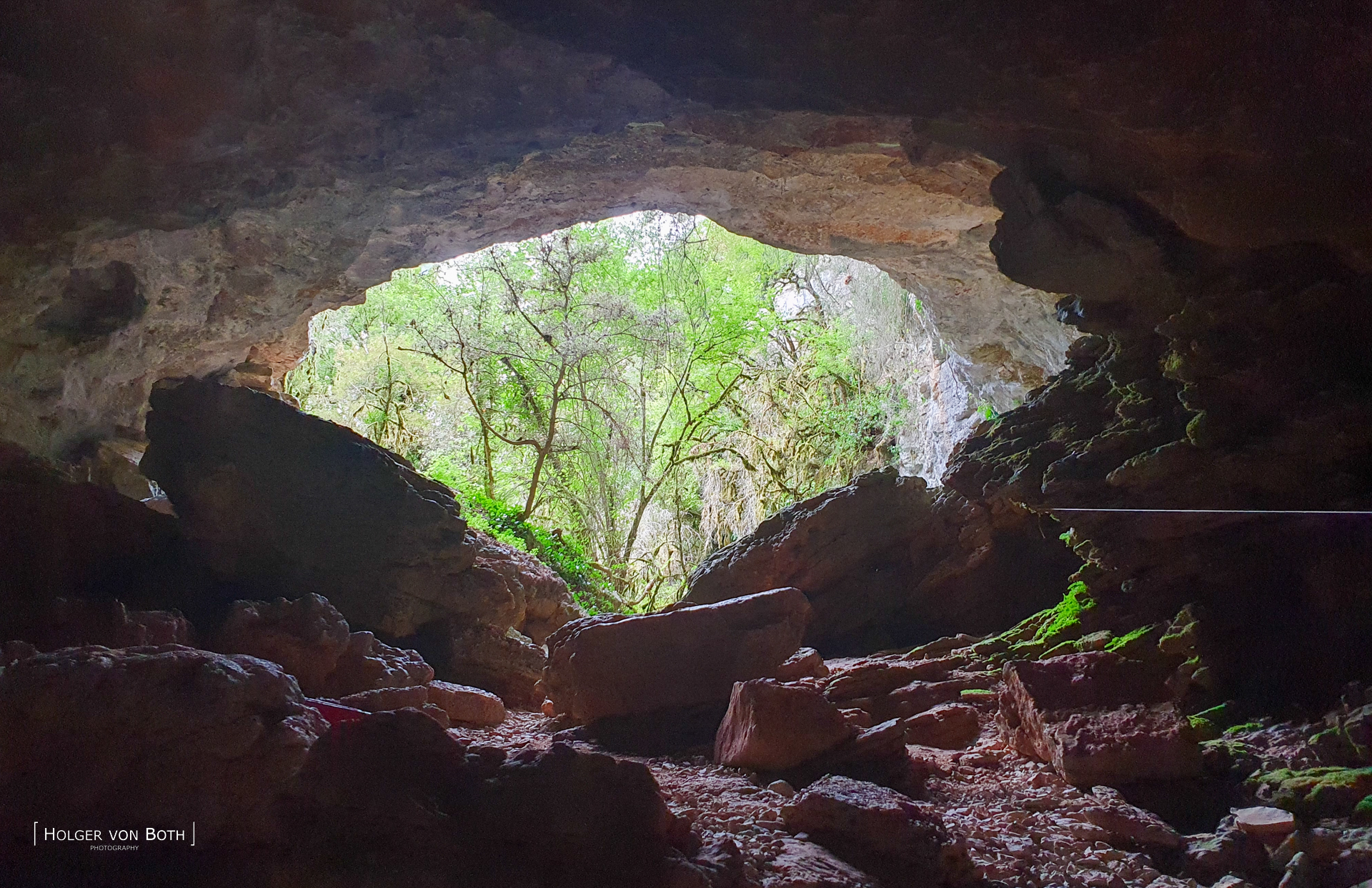
Trou Madame is located in a natural mountain environment with a small stream flowing directly from the cave entrance. The site features a breakdown zone leading into a narrow entrance passage. Access requires a significant equipment approach from limited parking areas, including approximately 200 meters of surface transport and additional dry cave movement in certain conditions. The system includes a shallow multi-siphon structure with several air pockets. The cave is characterized by complex limestone formations and stable visibility conditions in many sections.
Le Cunhac (Ressel II)
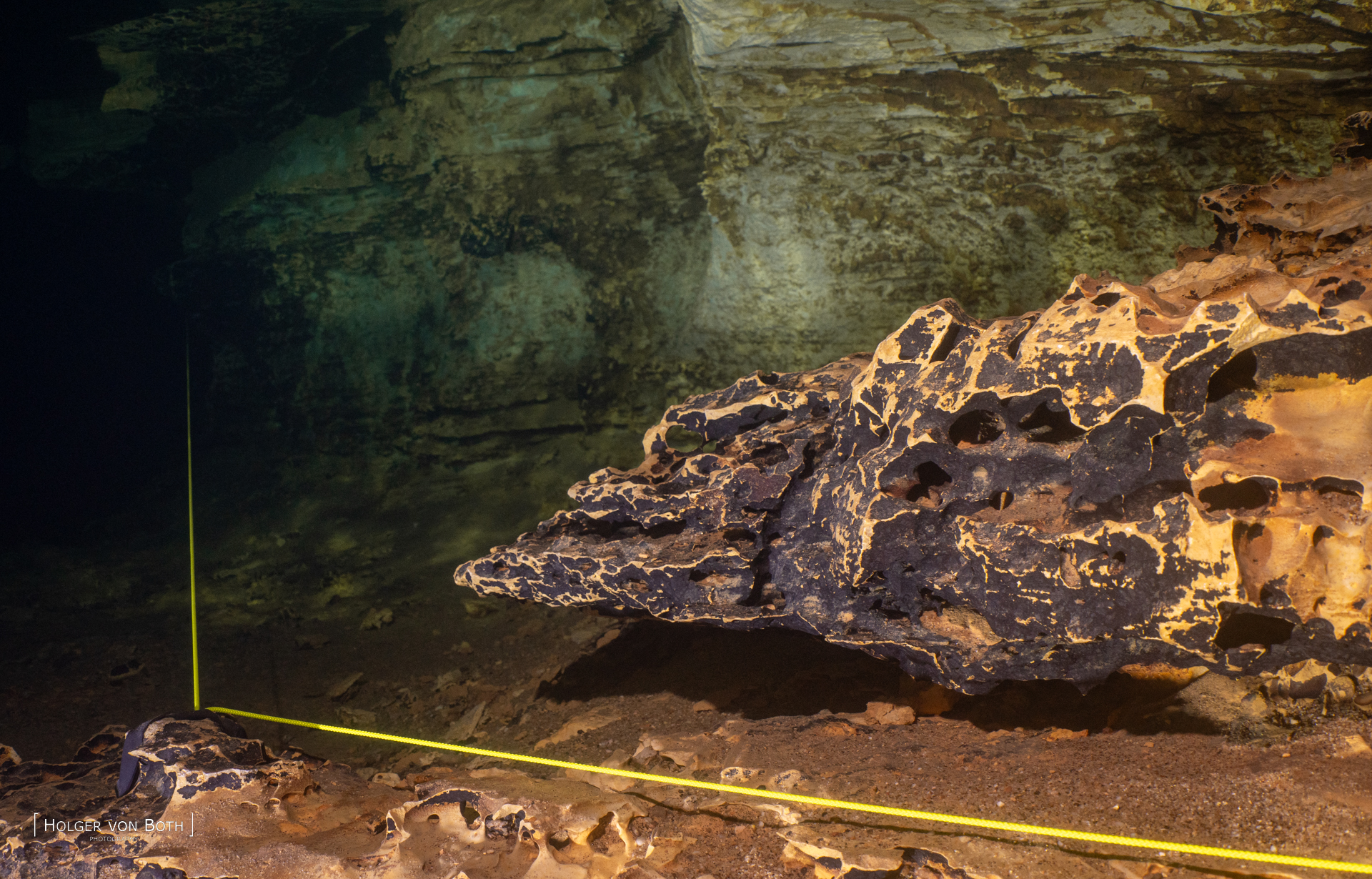
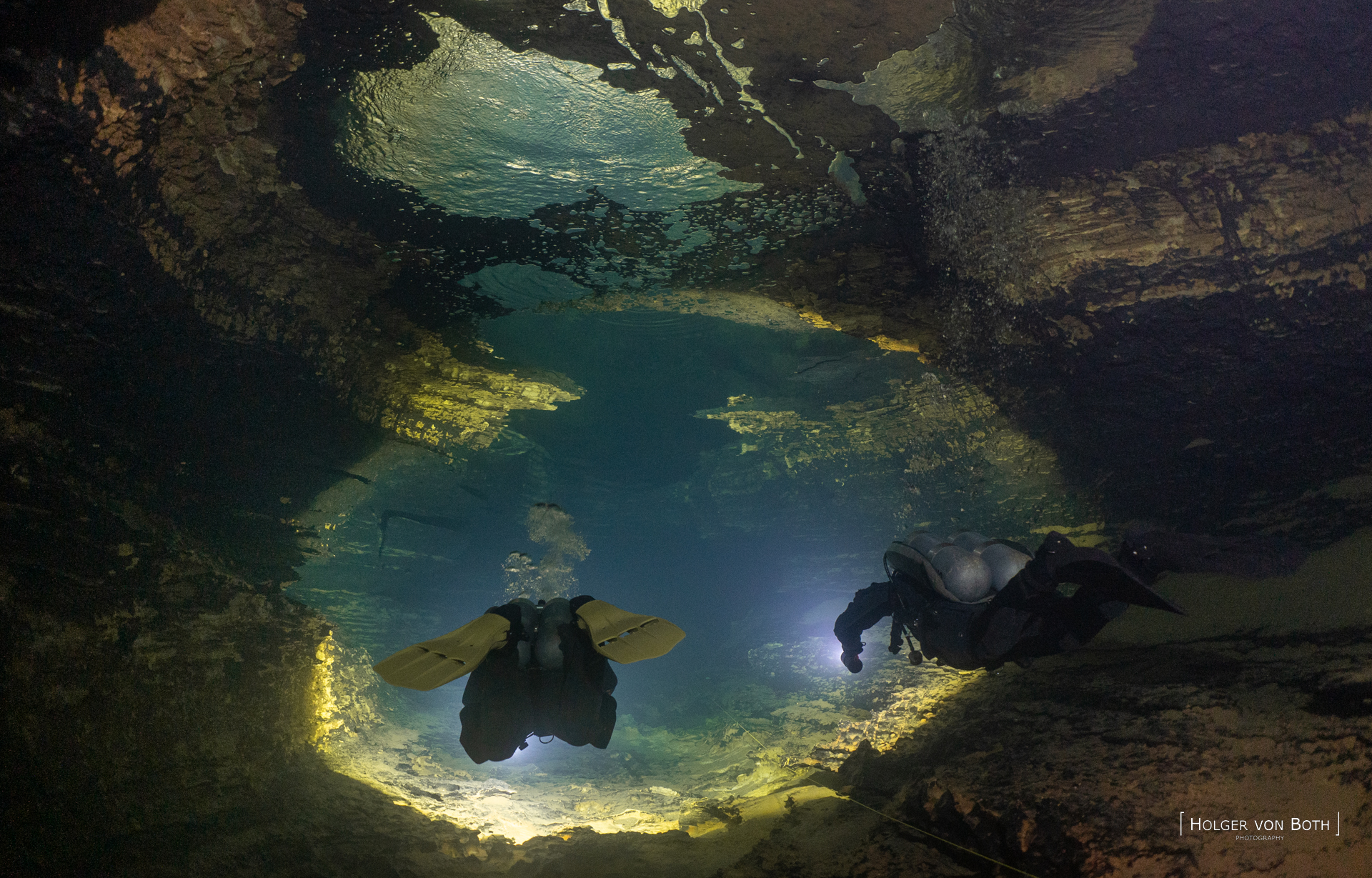
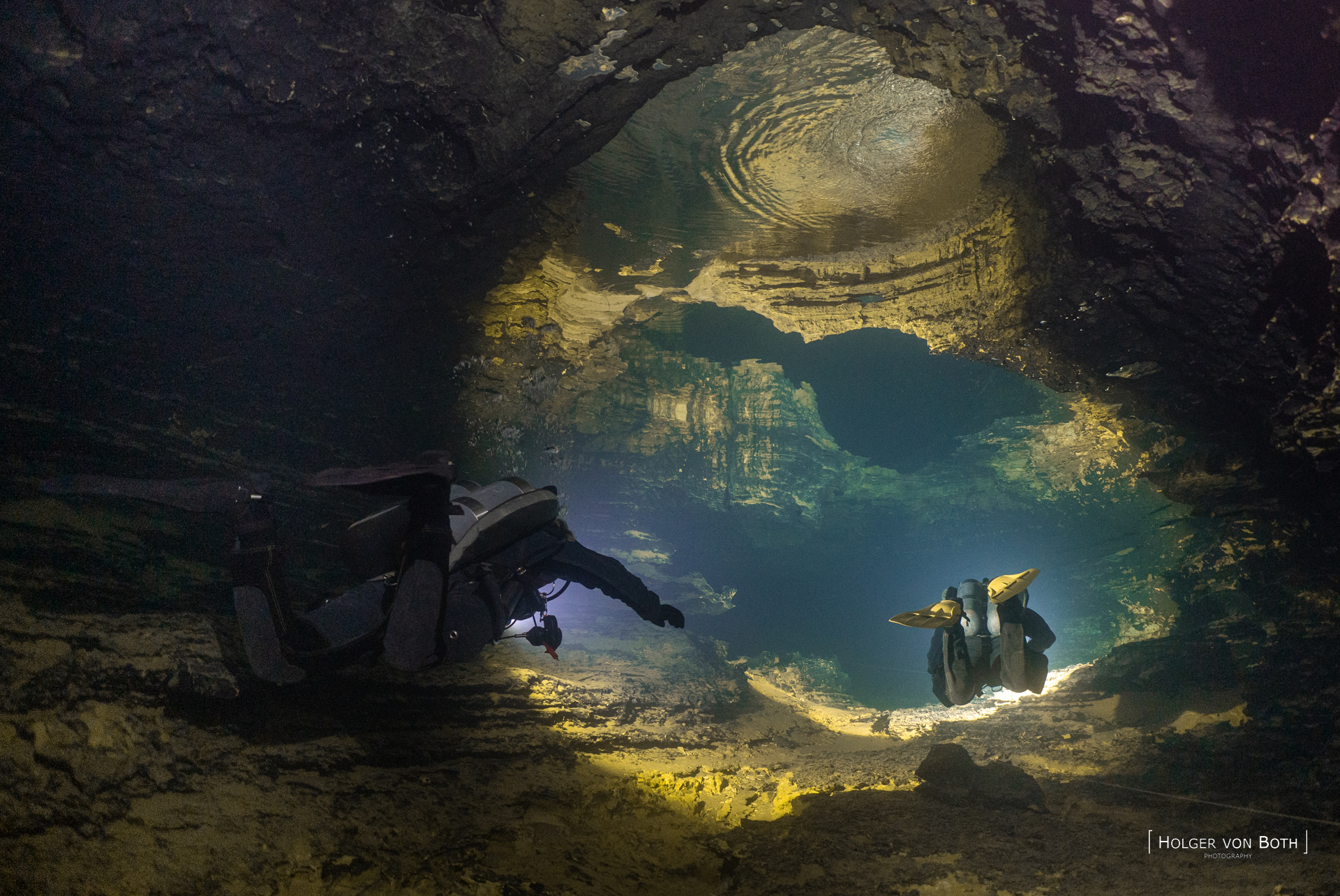
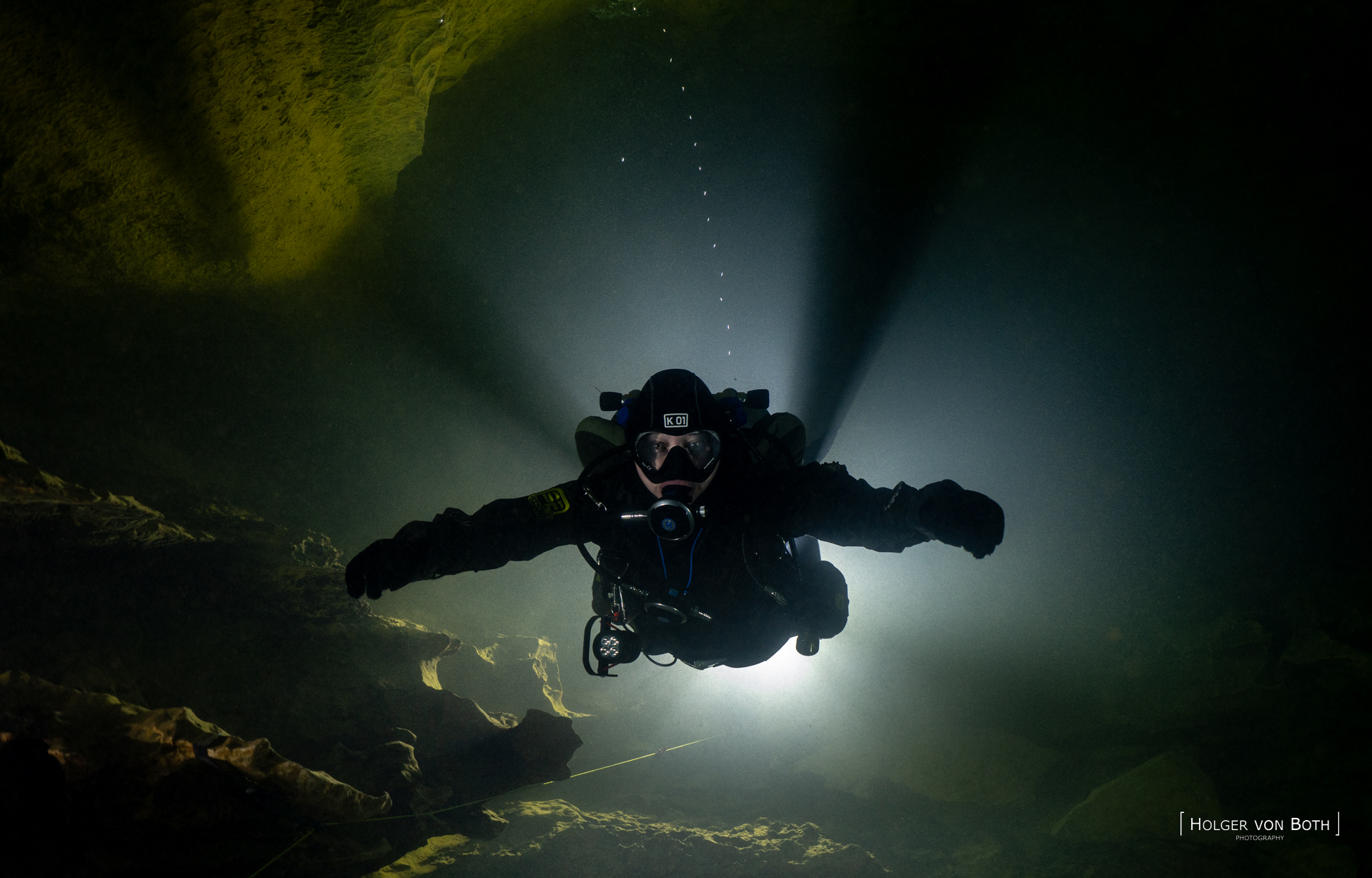
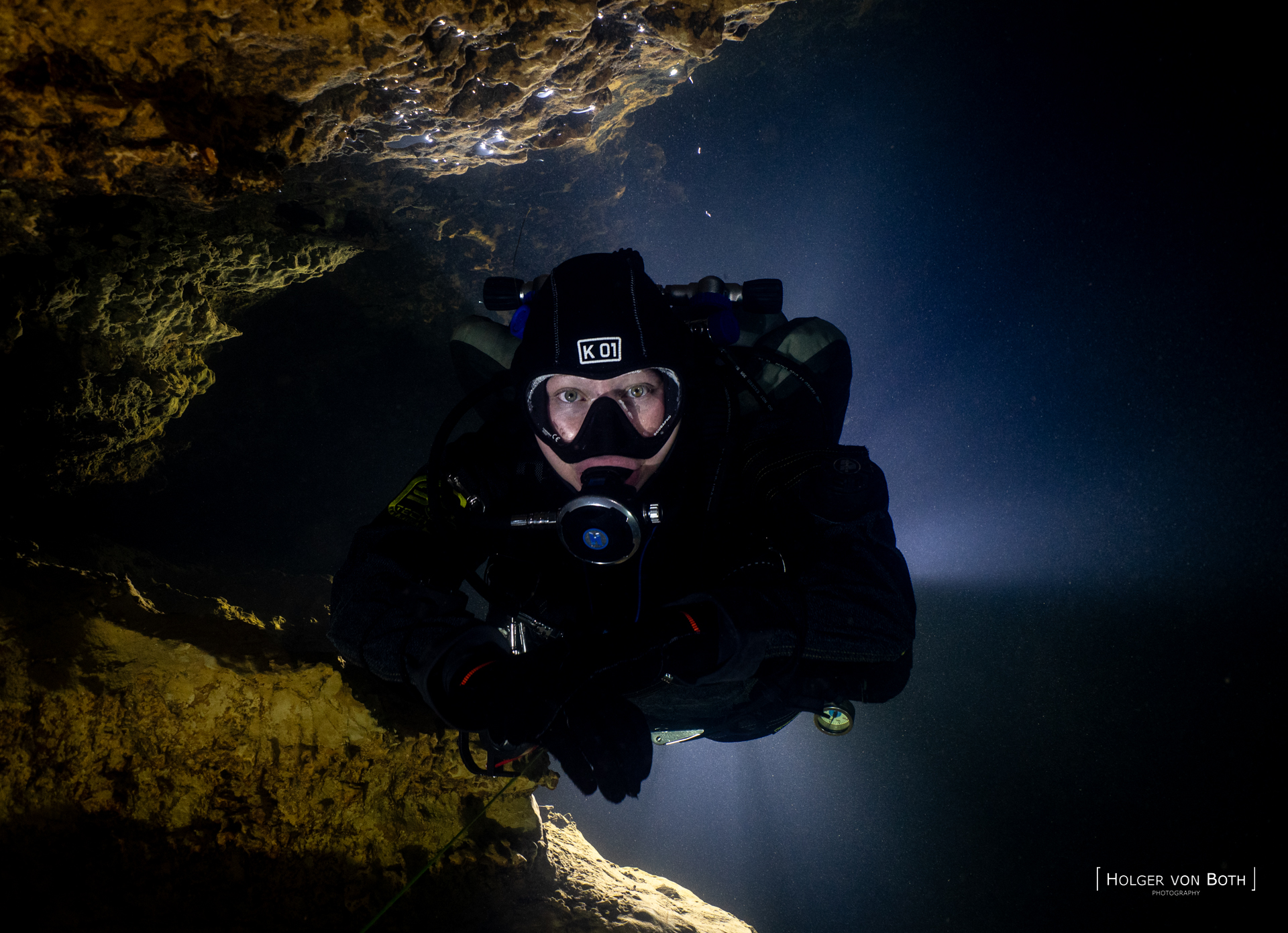
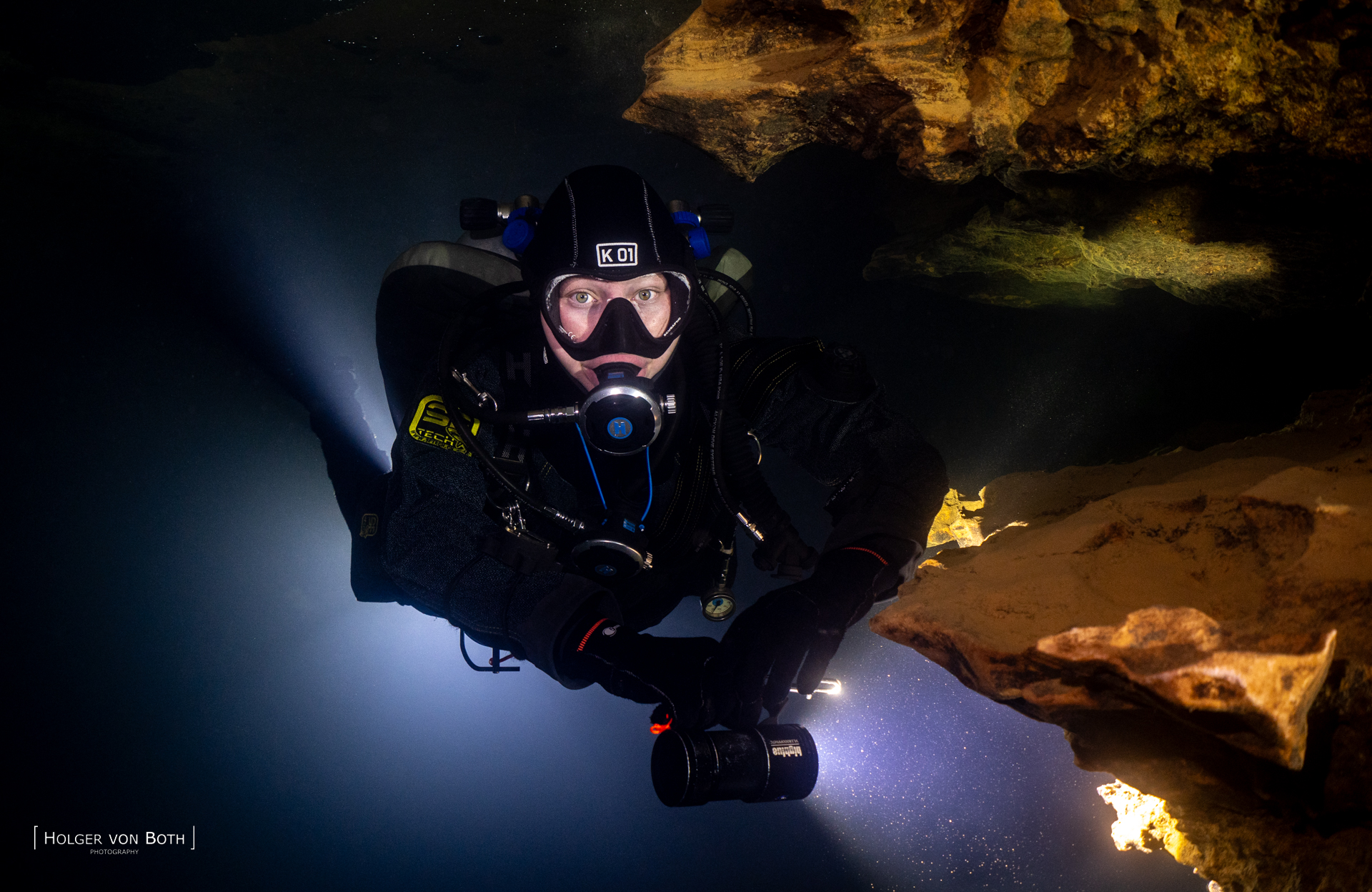
Le Cunhac, also known as Ressel II, is connected to the broader Ressel cave system. The majority of the cave is shallow, with a final section descending in two steps to a maximum depth of approximately 47 meters. Total penetration length is around 330 meters. The system is characterized by smooth limestone formations and reflective ceiling structures, creating distinct visual patterns underwater.
Ardèche Valley
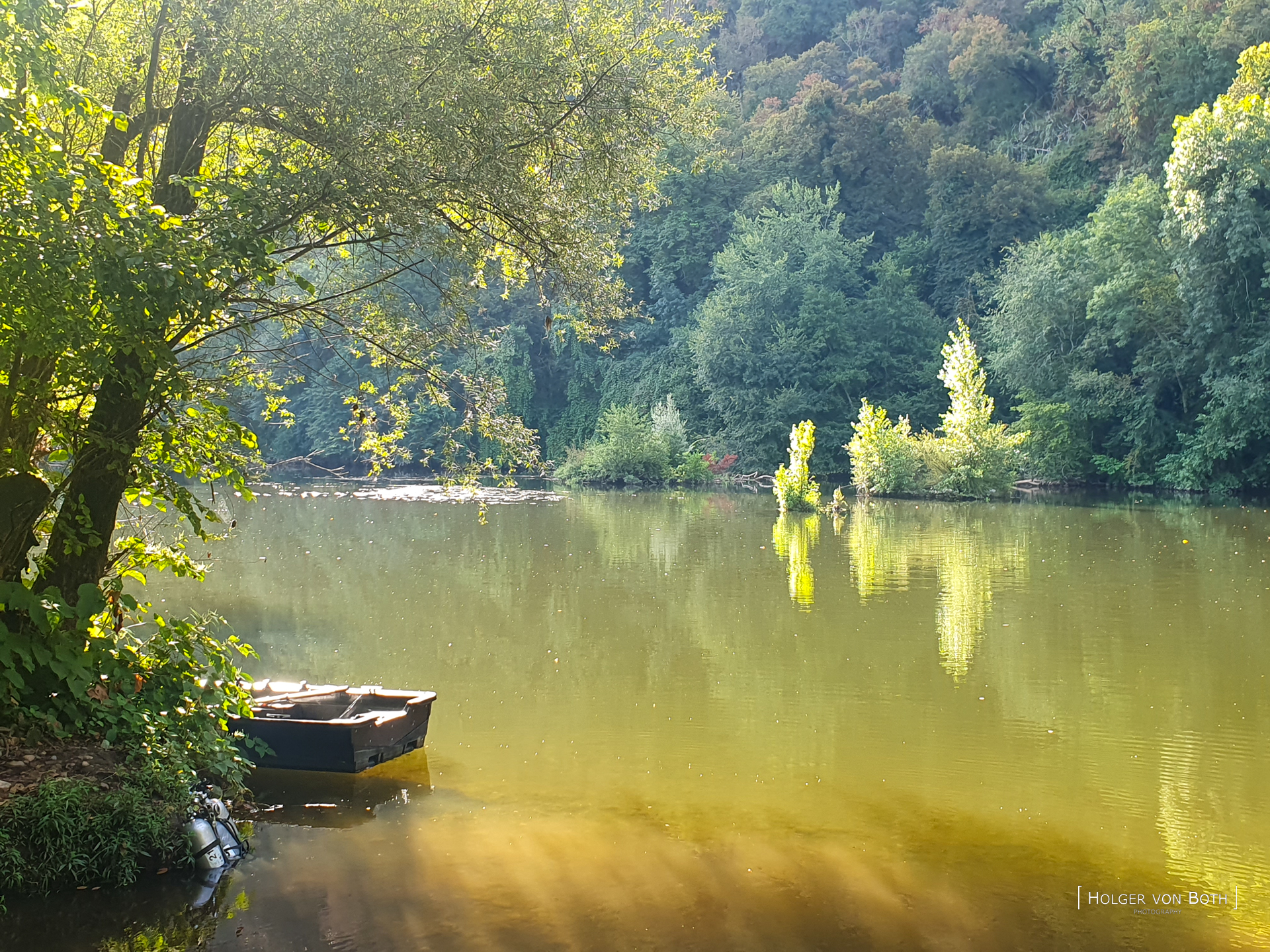
The Ardèche valley in southeastern France is known for its natural landscapes, hiking routes, and canoeing environments. Within the region, several cave diving sites exist, offering high-quality underwater environments.
However, diving infrastructure is more limited compared to the Lot region, requiring more independent logistics and planning.
Jura Department
The Jura Départment, located in the Bourgogne-Franche-Comté region in eastern France, is a more remote and less developed diving region. It offers a high concentration of dry caves and underwater cave systems.
However, there is limited diving infrastructure, meaning divers must operate fully self-sufficiently and bring all required equipment. The region is significantly less crowded, and in many locations, divers experience complete isolation. This creates a highly focused and remote exploration environment.
Jura underwater systems
Gour Bleu
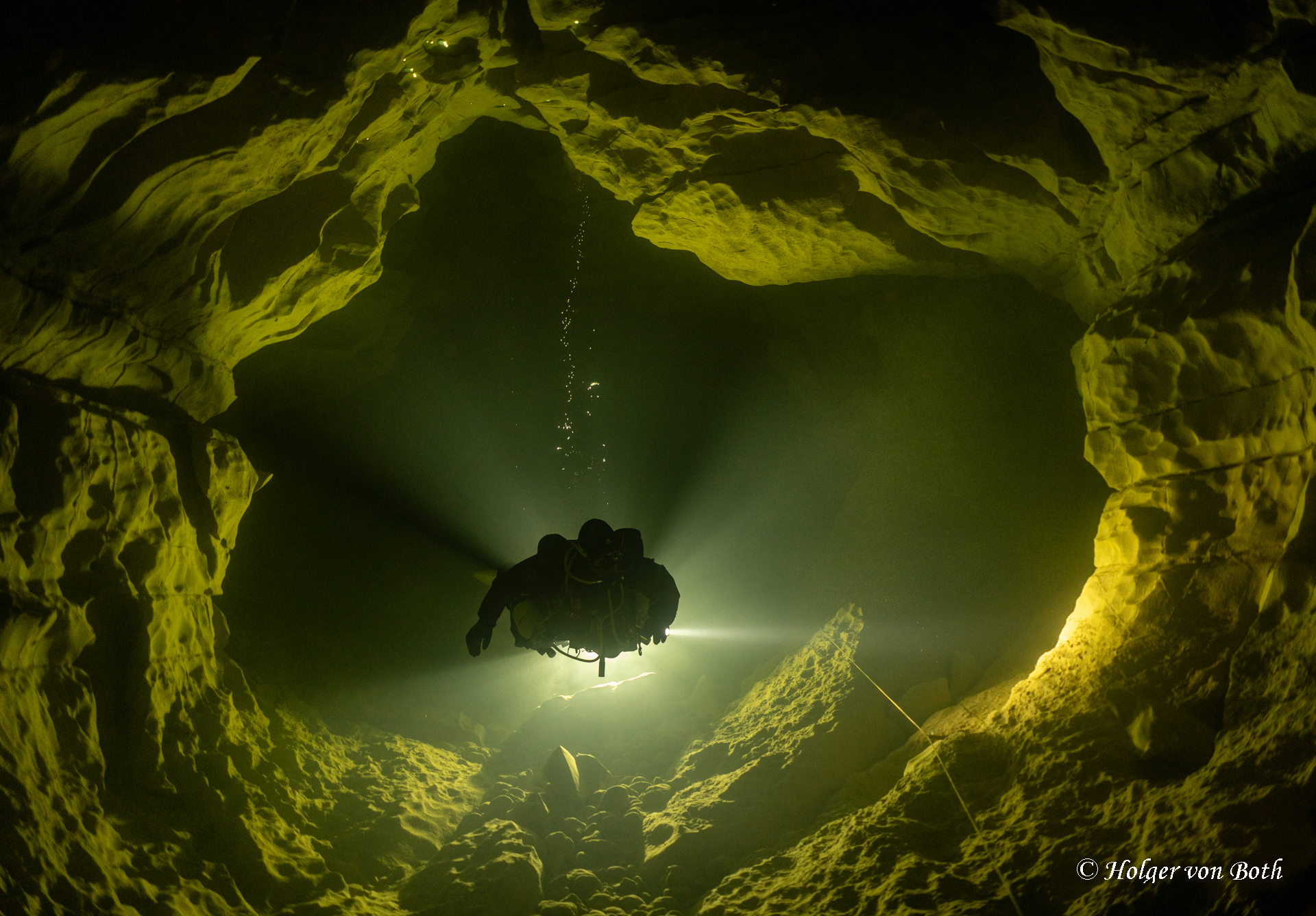
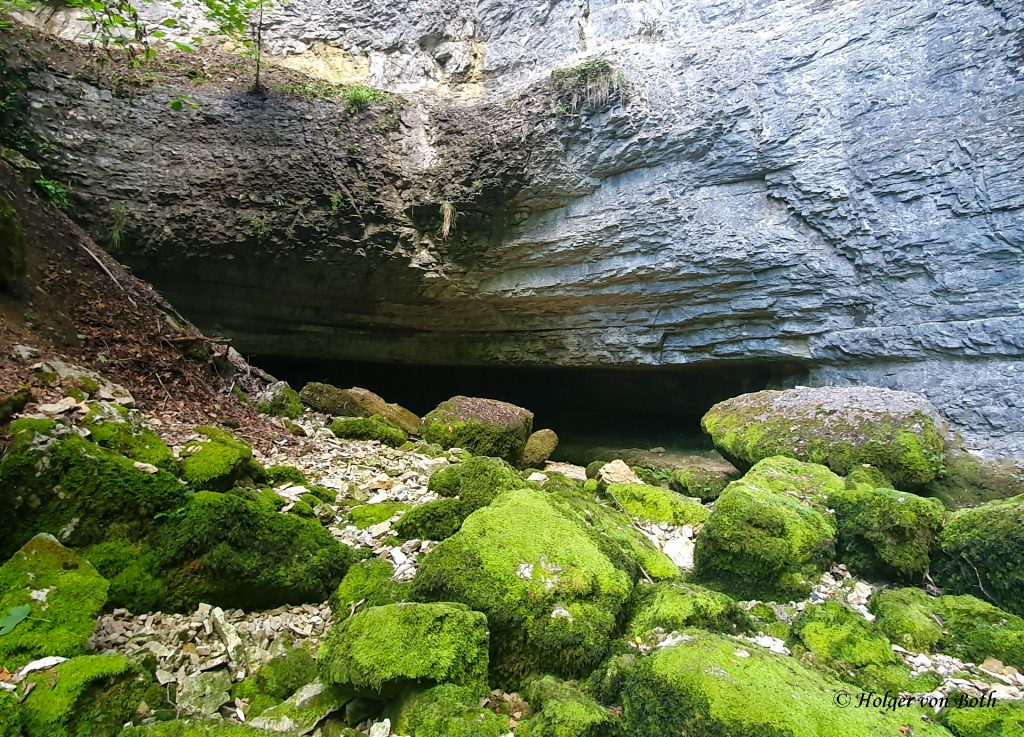
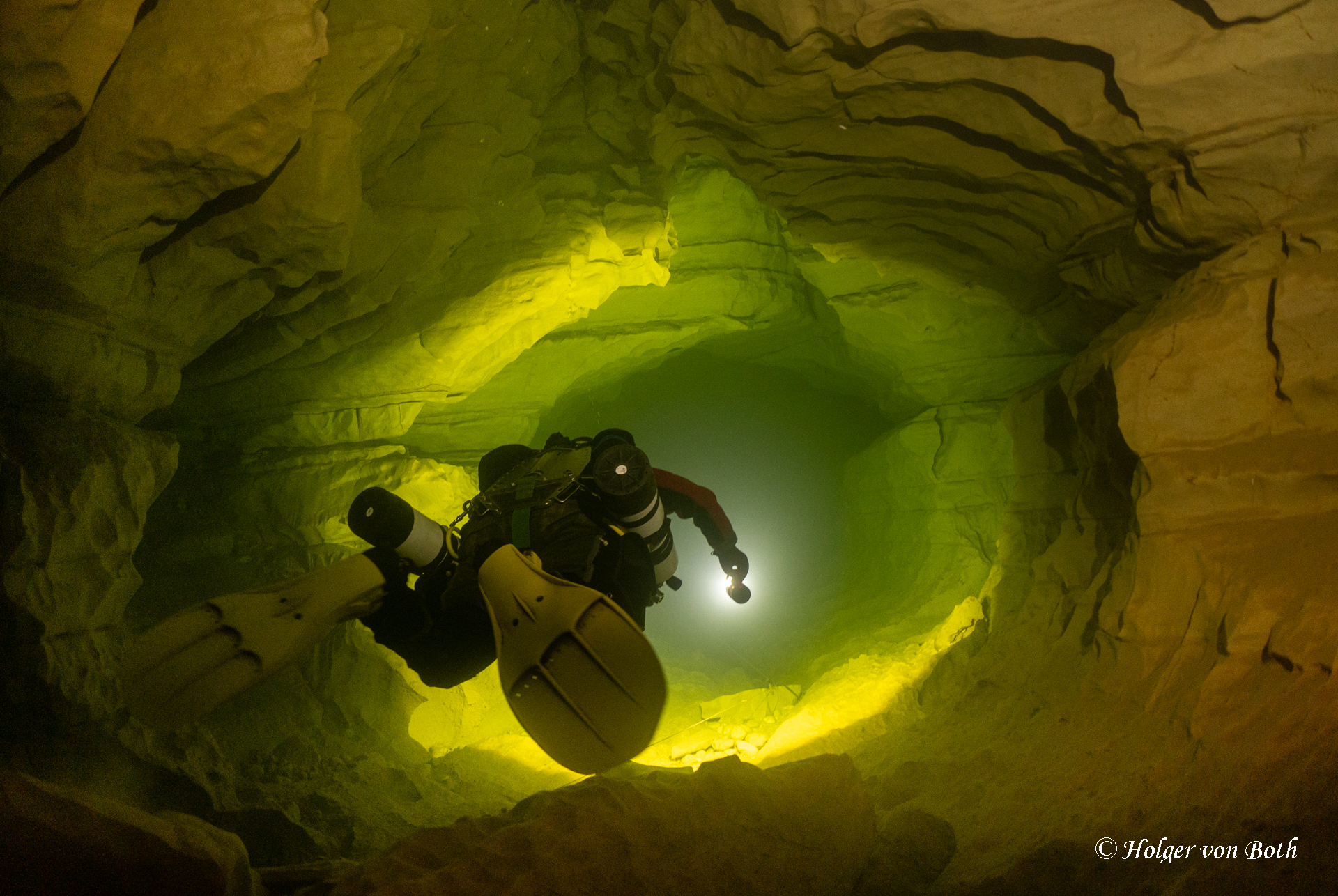
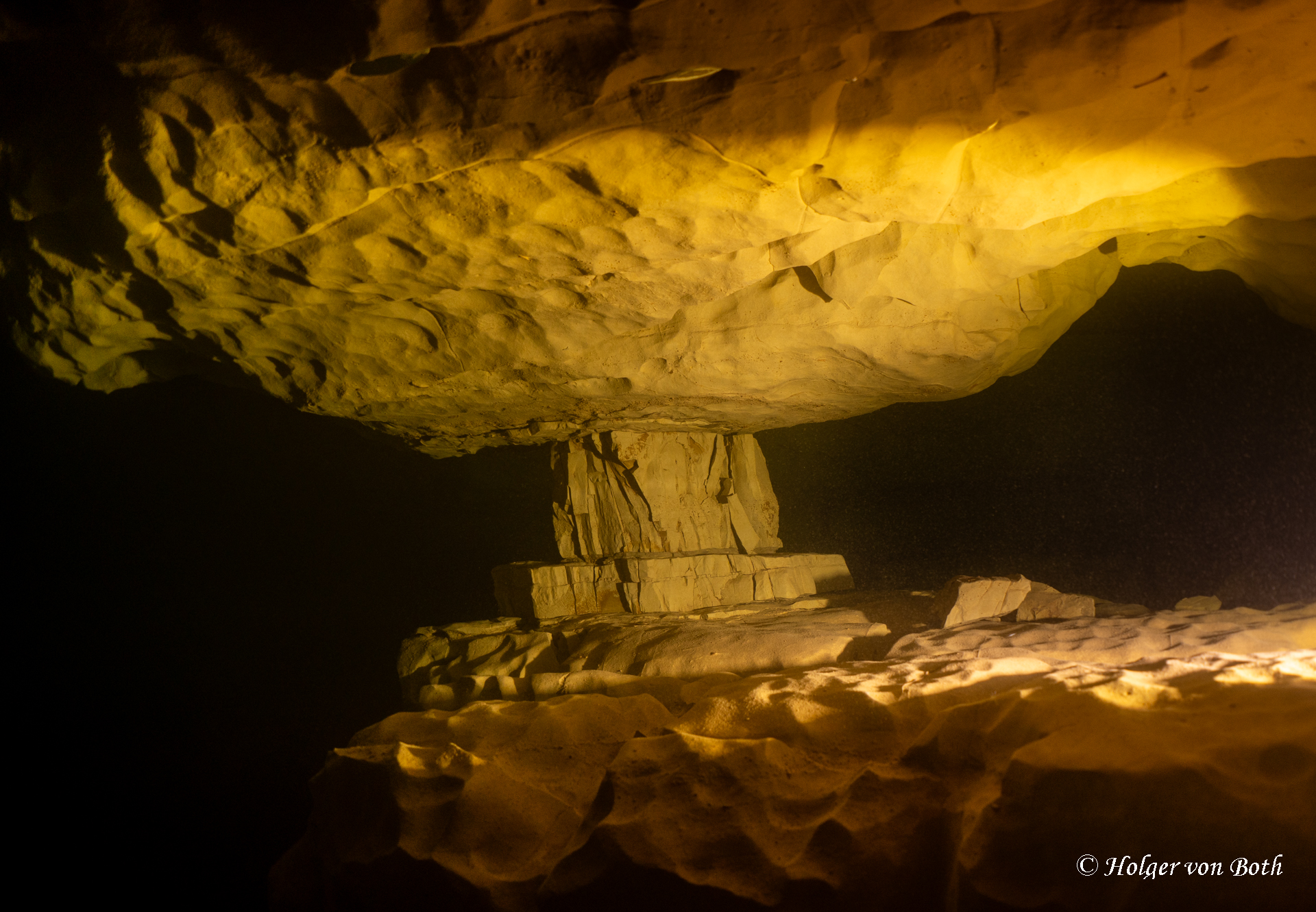
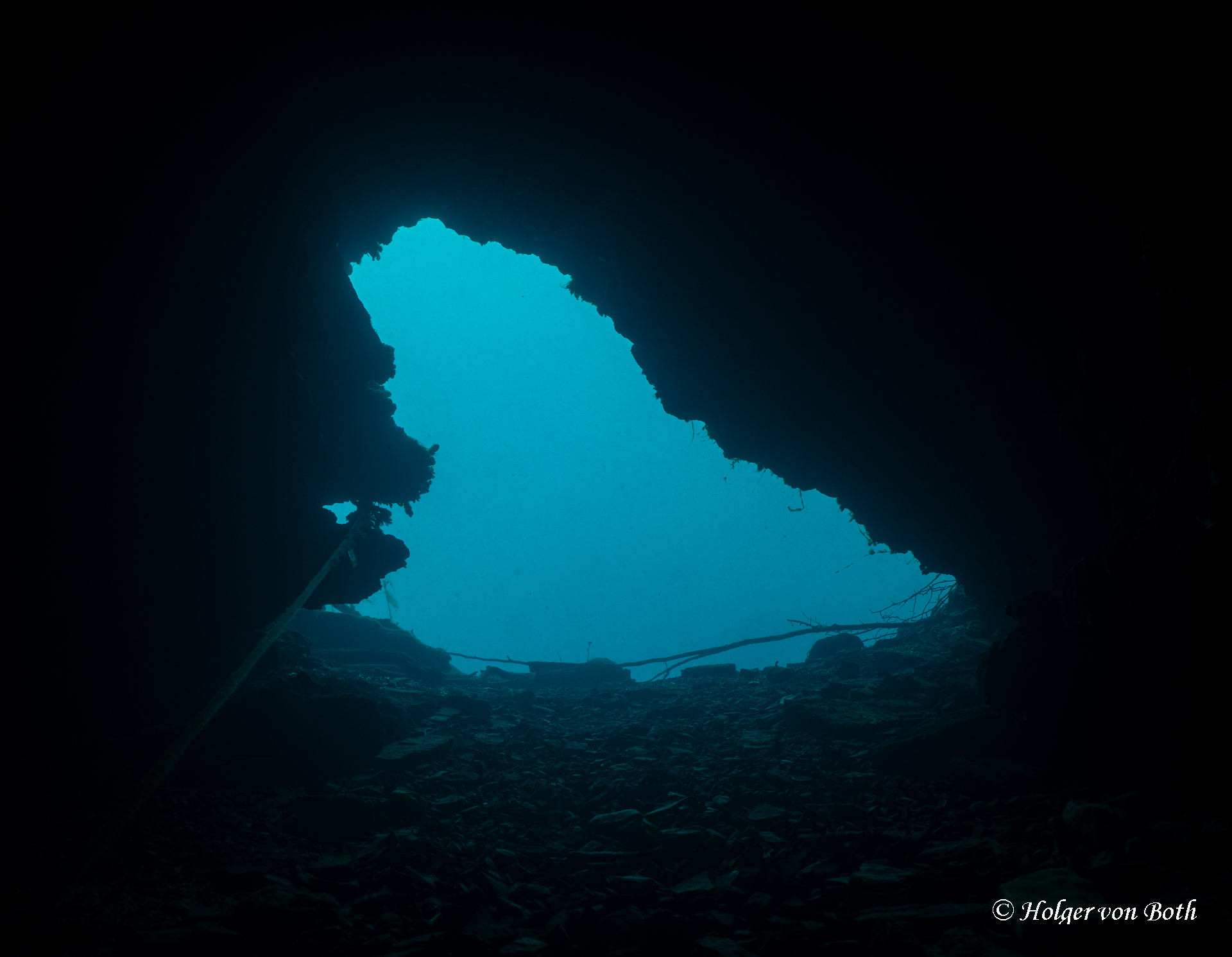
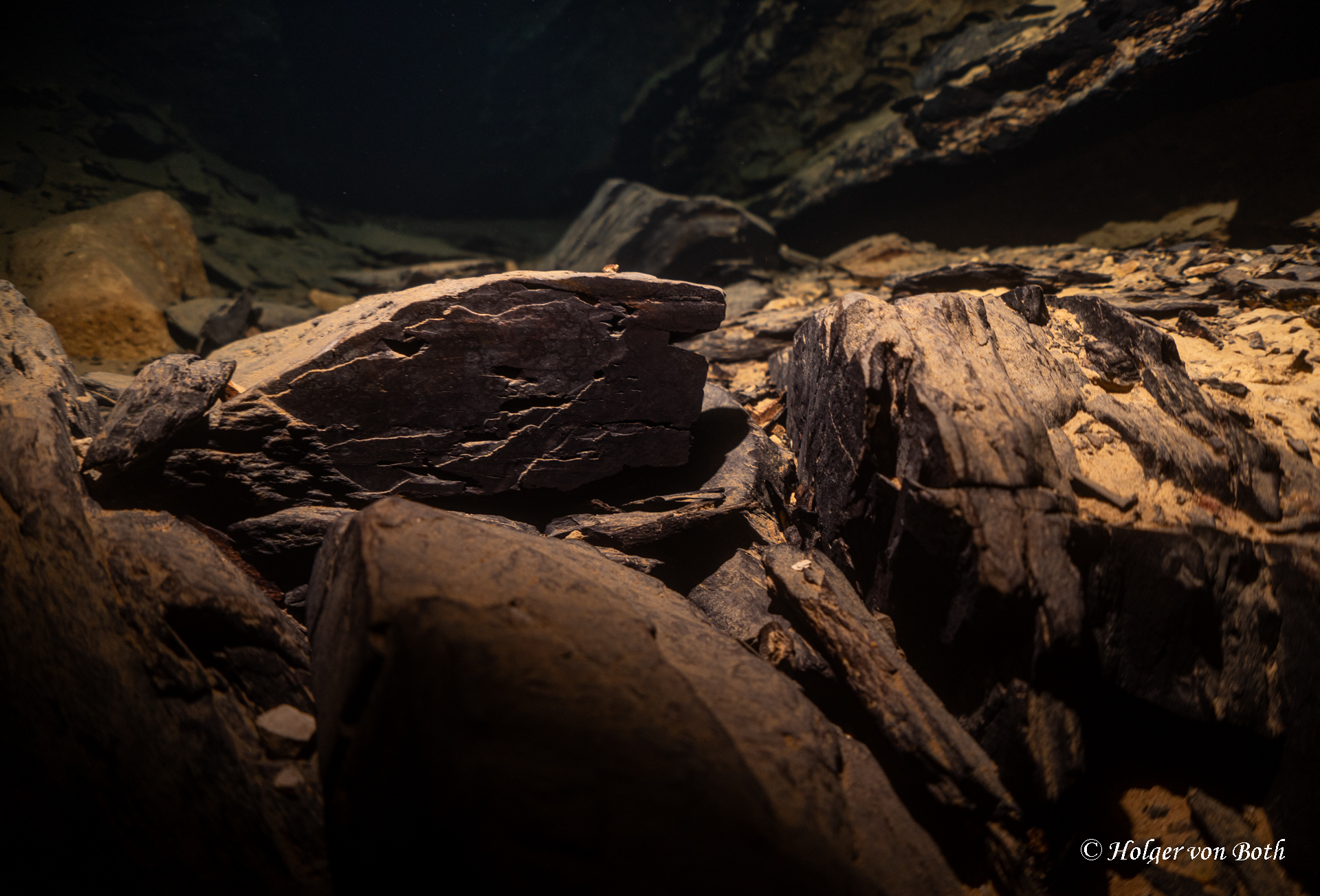
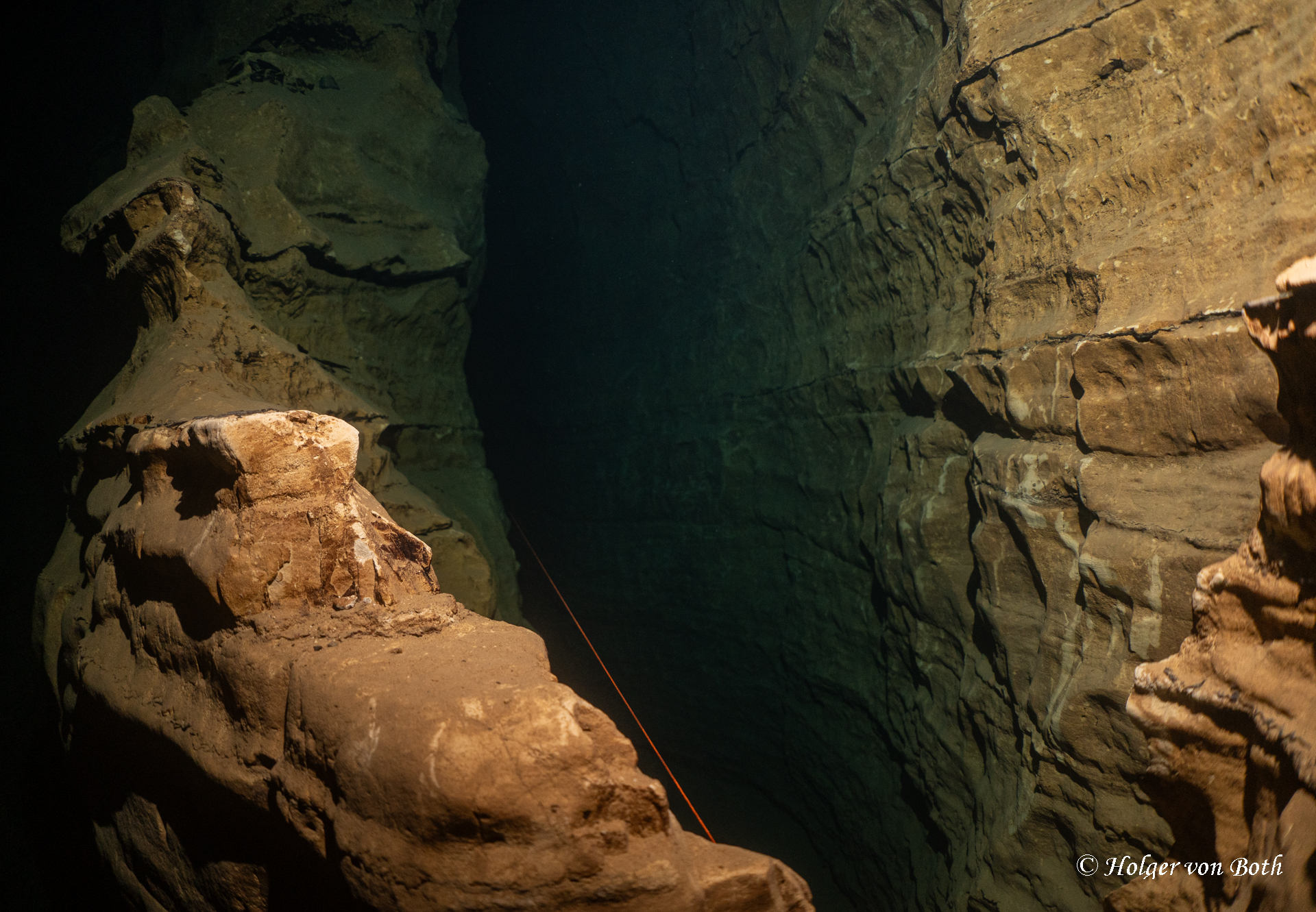
Gour Bleu is located near Fontenu in the Jura region. It is a shallow cave system with approximately 250 meters of underwater penetration. A large dry cave section has also been explored, accessible only via diving entry points. Access to the cave entrance requires significant effort, including equipment transport over difficult terrain. Despite its accessibility challenges, Gour Bleu is considered a highly distinctive cave system within the Jura region.

Source Bleue de Cusance
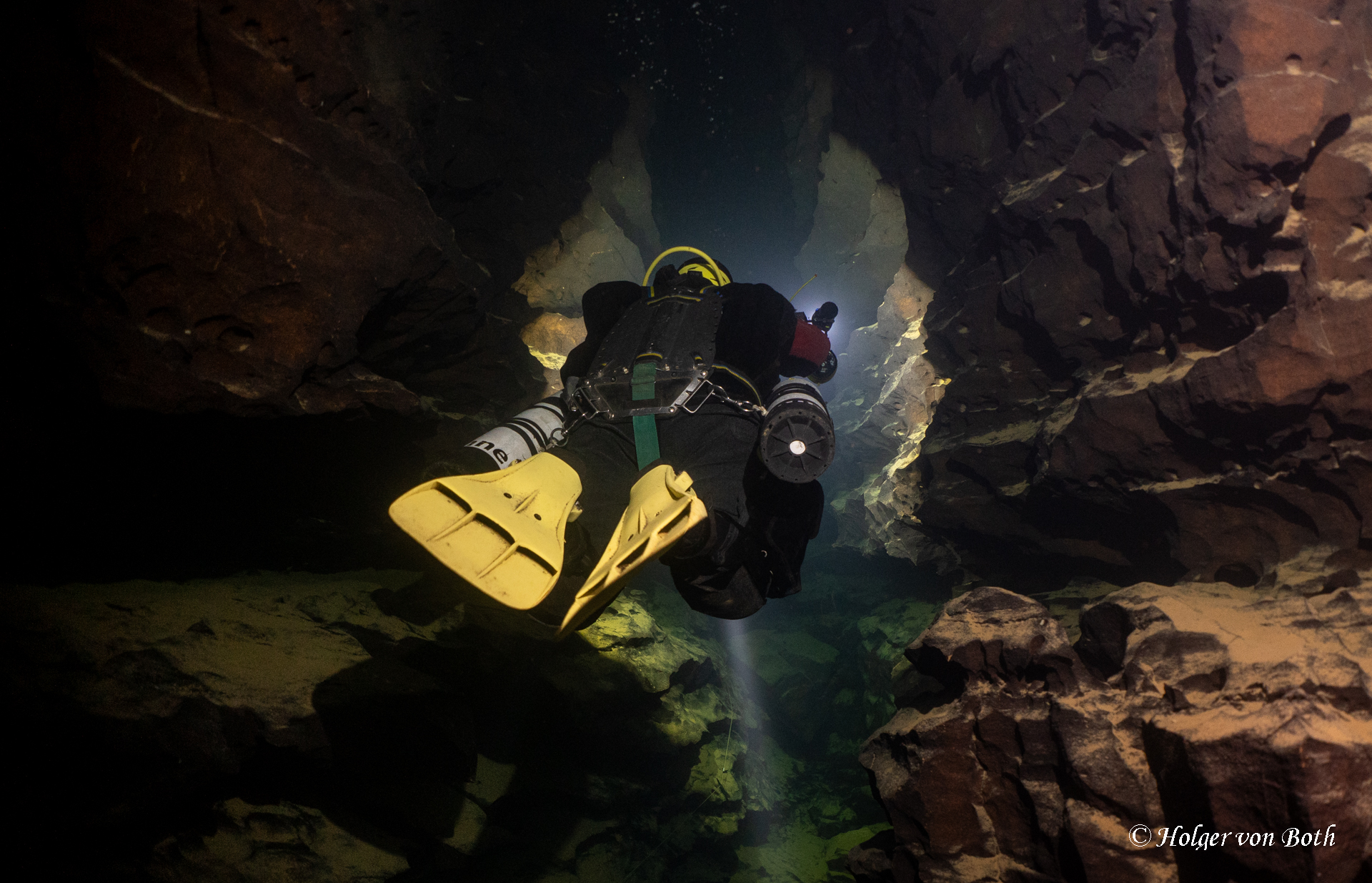
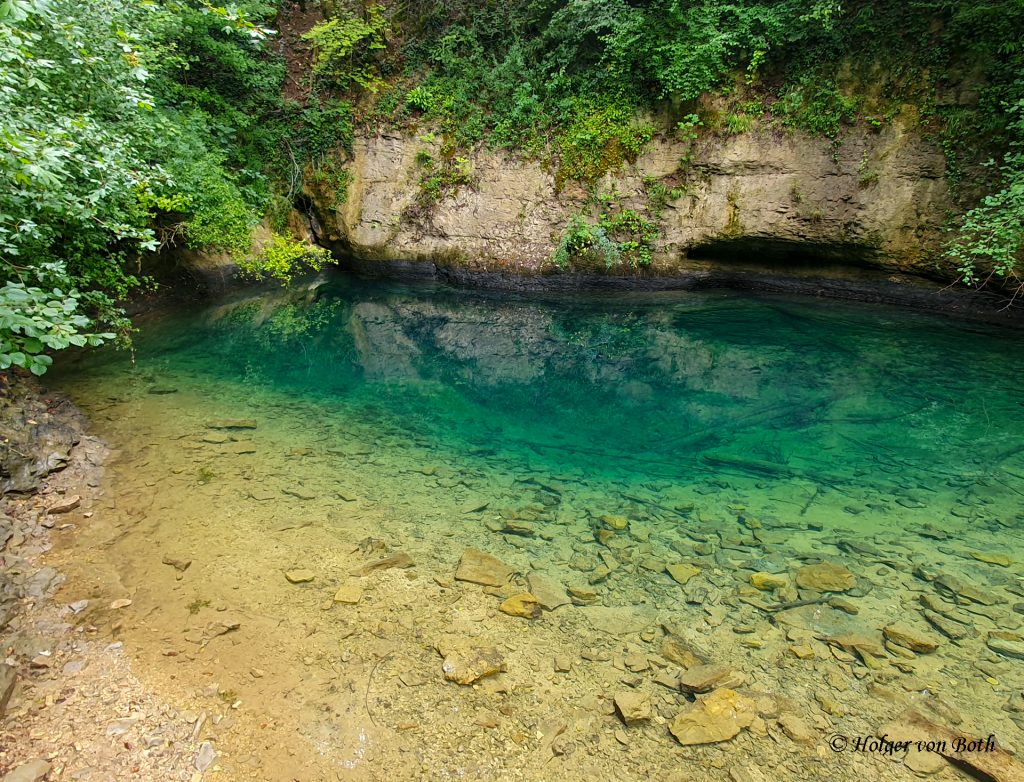
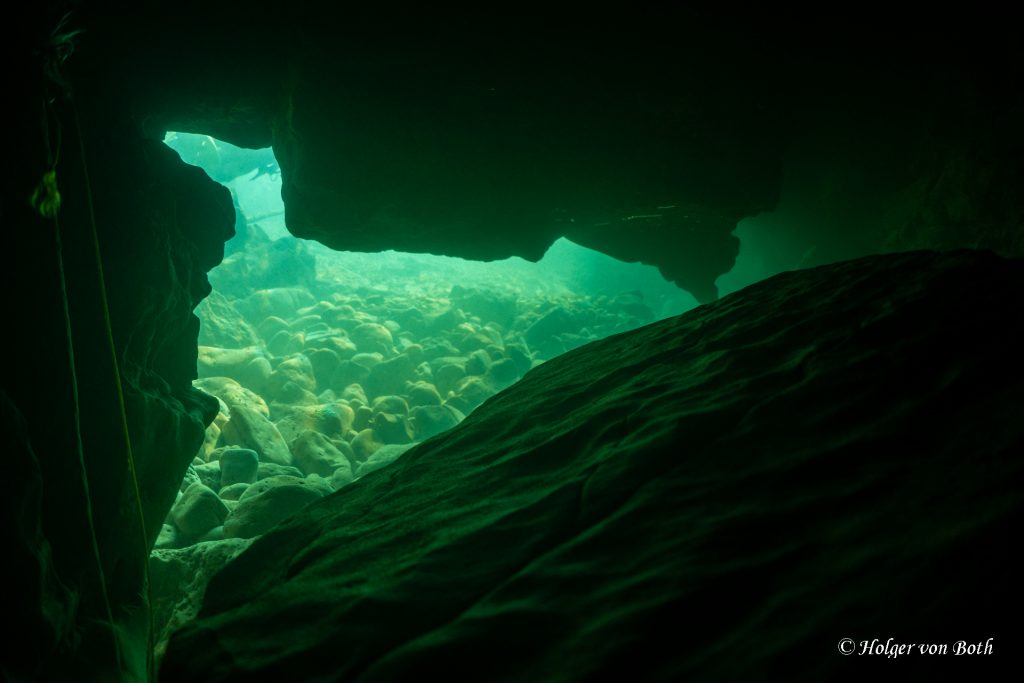
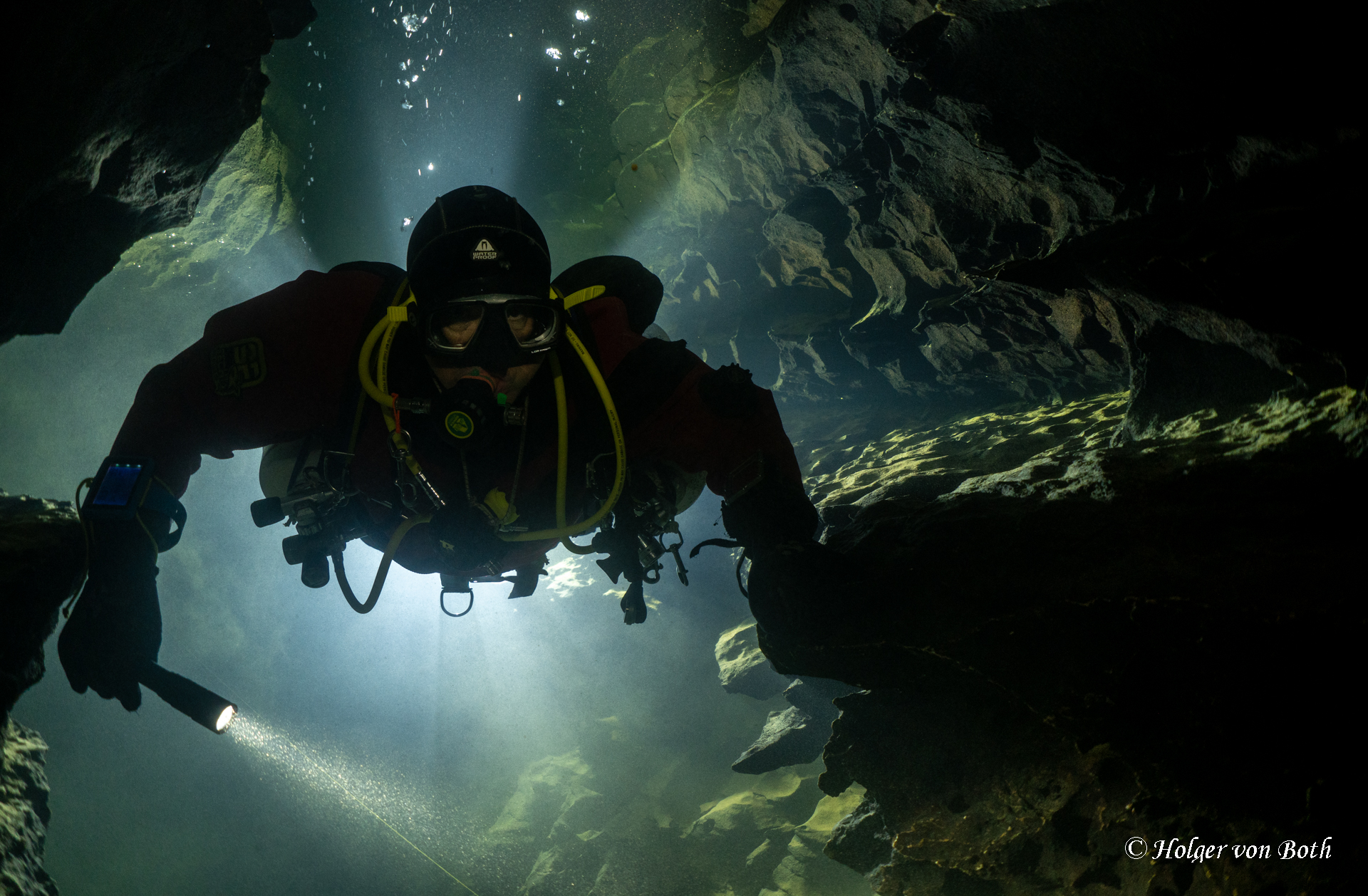
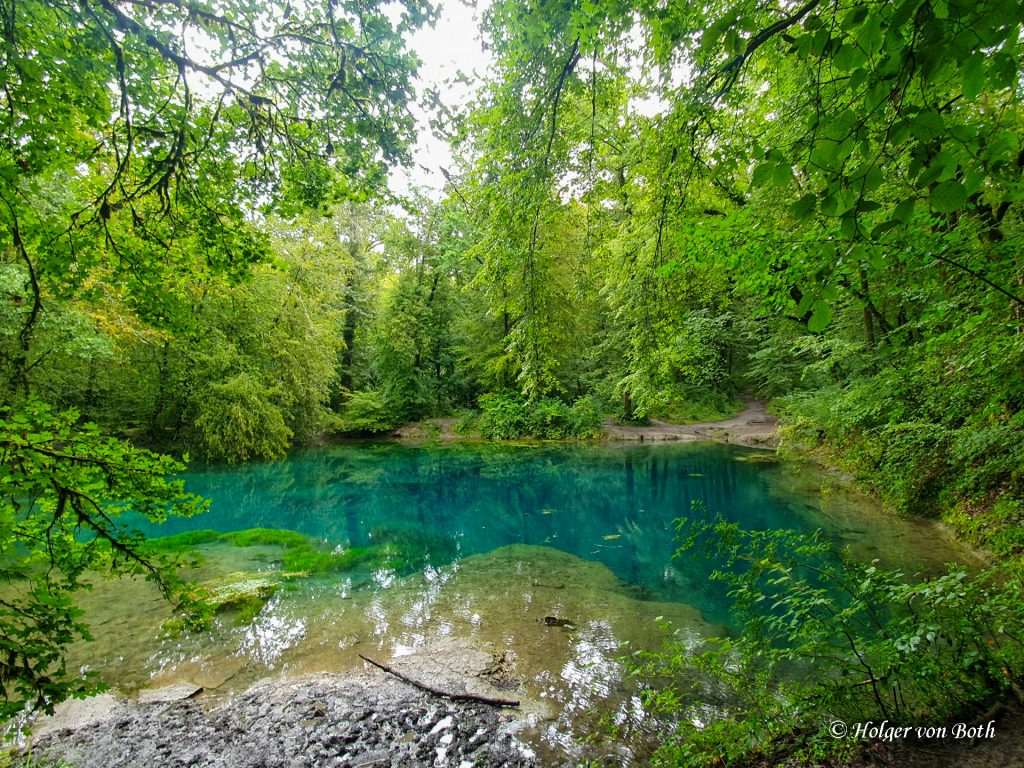
Source Bleue de Cusance is located near Baume-les-Dames in the Doubs department. The system offers approximately 150 meters of underwater penetration. The cave entrance is a natural spring pool at the end of a narrow valley environment. Transport to the site is typically supported using equipment carts due to terrain conditions. The site is known for its scenic natural setting and clear freshwater conditions.
Source du Planey
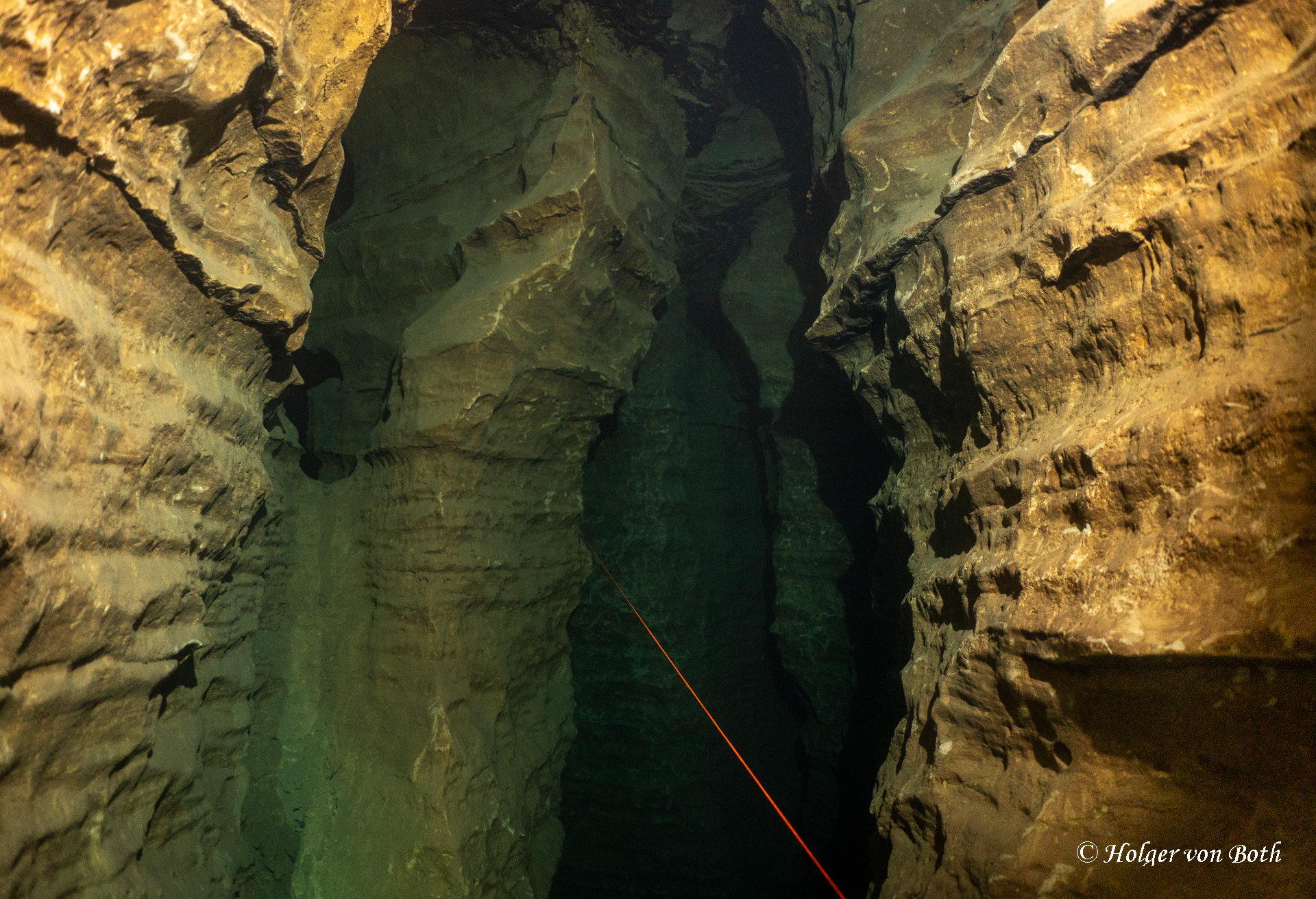
Source du Planey is located near Saint-Loup-sur-Semouse in the Haute-Saône department. It offers approximately 200 meters of underwater penetration in a mostly shallow system. The entrance is a natural spring pool located in a forest environment. A picnic area is located directly near the entrance, making it a more accessible surface environment compared to other Jura sites.
Diving experience in France
France offers a highly diverse range of cave diving environments, from well-supported systems in the Lot region to remote and self-sufficient cave systems in the Jura.
The country is characterized by strong geological variation, resulting in significant differences in underwater conditions across regions.
France is particularly known for:
- visibility
- depth profiles
- flow conditions
- accessibility
- infrastructure availability
Plan your diving experience in France
Cave diving in France ranges from structured, infrastructure-supported regions to highly remote exploration environments. All dives should be conducted within certification limits and with appropriate logistical preparation depending on the region.
Other Underwater Environments
If you are interested in exploring more underwater environments, you can also view galleries from:
Madagascar, Hungary, Mexico, Italy, Switzerland, and Germany.