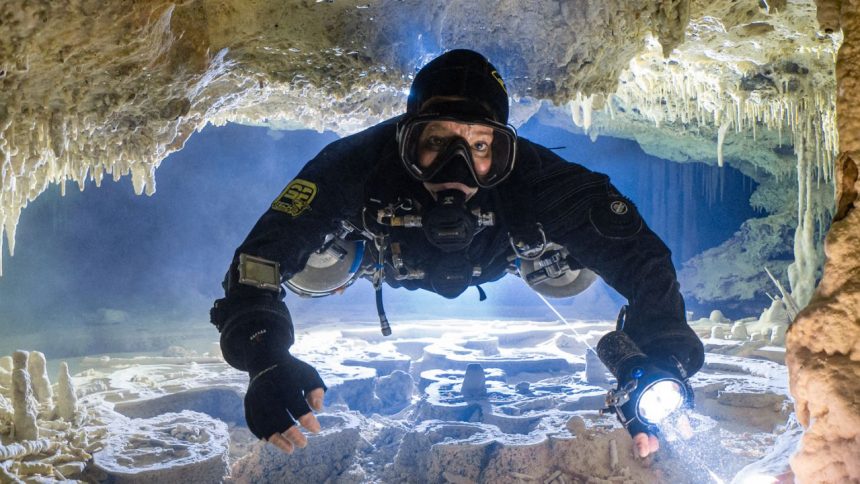
The cenotes of the Yucatán Peninsula represent one of the most unique underwater cave environments in the world. These submerged sinkholes form an extensive network of cave systems characterized by crystal-clear water, complex limestone formations, and highly variable light and color conditions. Depending on depth, freshwater layers transition into saltwater, creating distinct halocline and thermocline zones that are visually and physically observable during dives.
Mexico is widely regarded as one of the most important global regions for cave diving exploration.
Cenote diving environment in Yucatán
Cenote diving in Mexico is defined by a combination of geological, hydrological, and biological factors.
Key characteristics include:
- warm water temperatures
- exceptional visibility
- extensive limestone cave systems
- halocline and thermocline layers
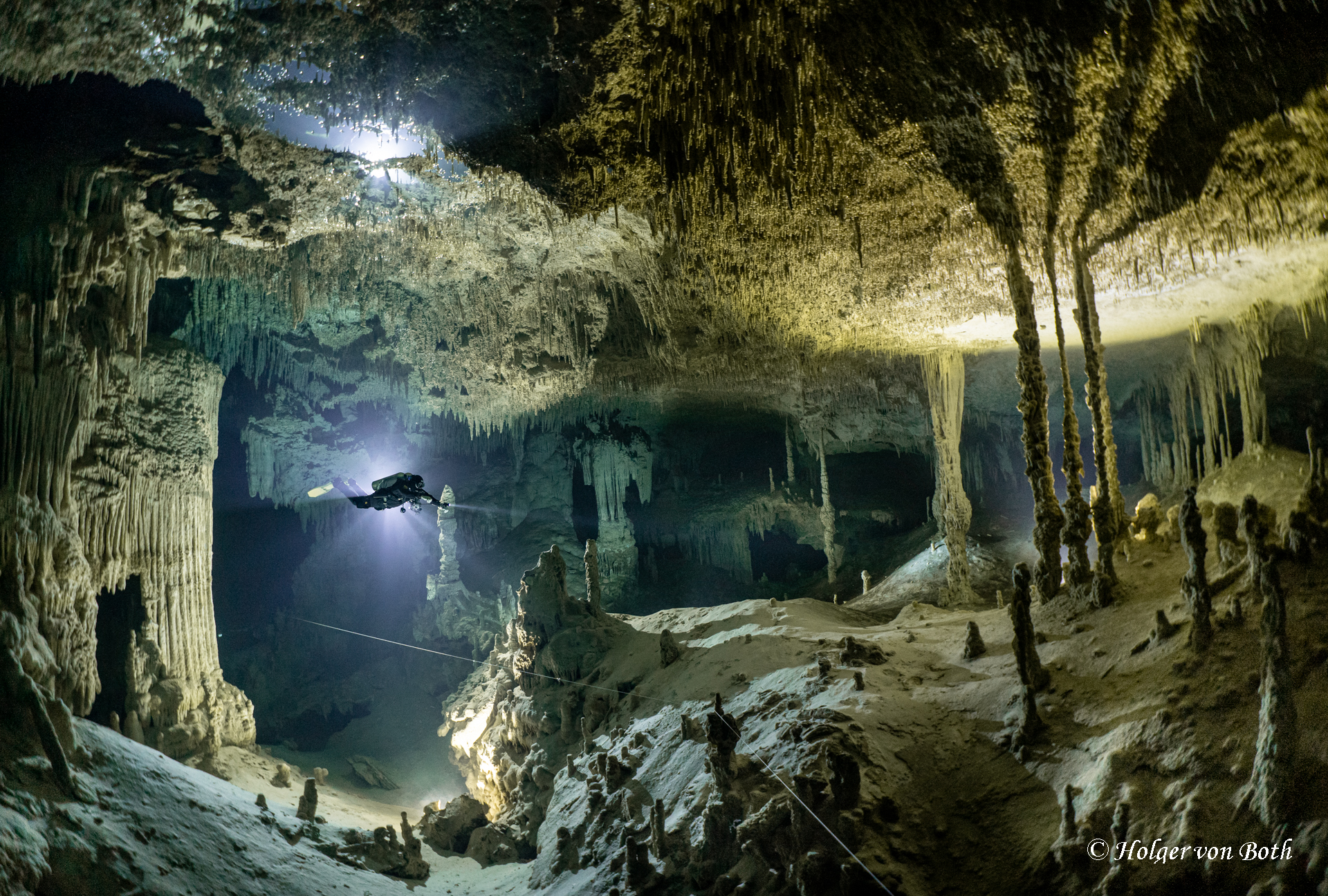
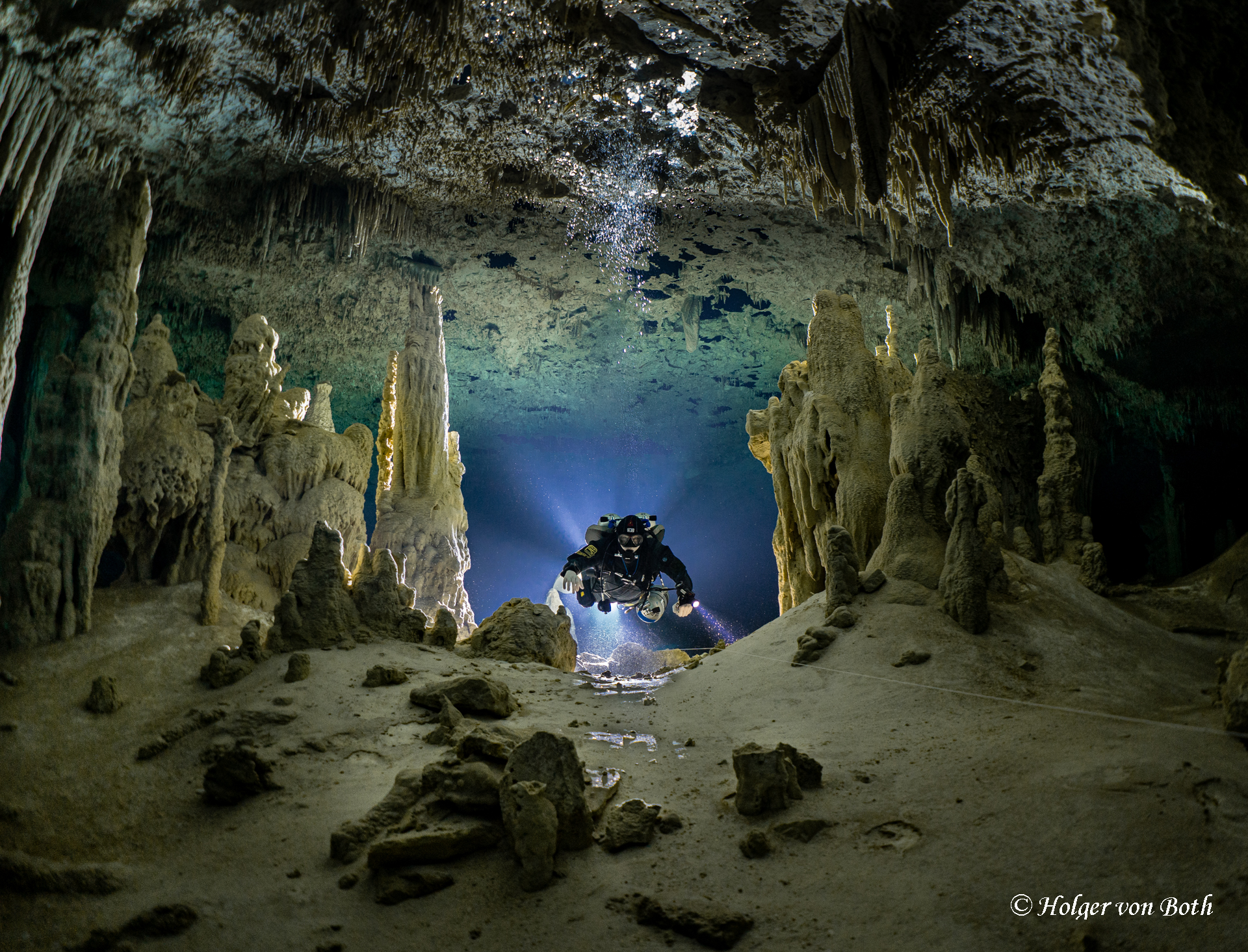
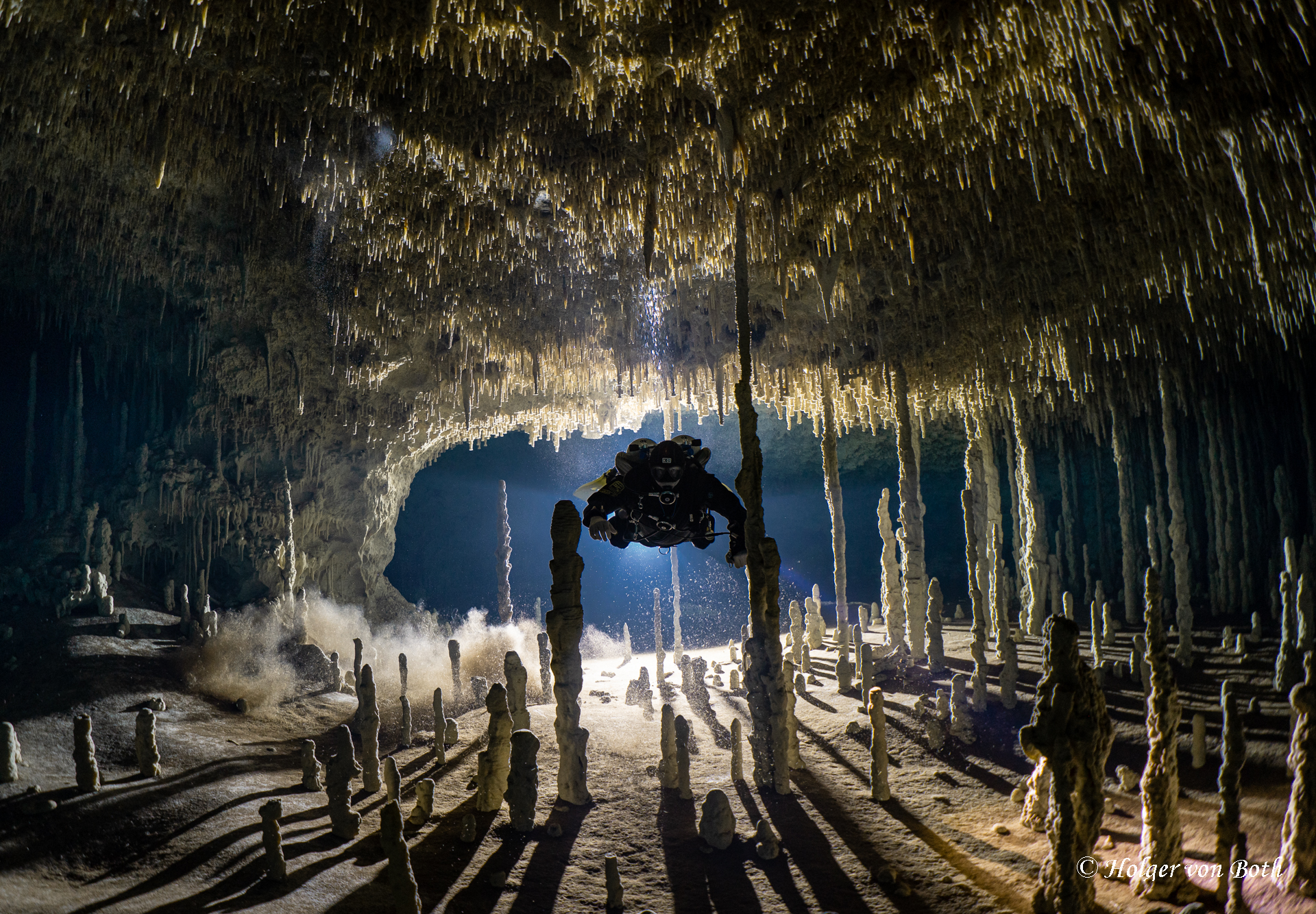
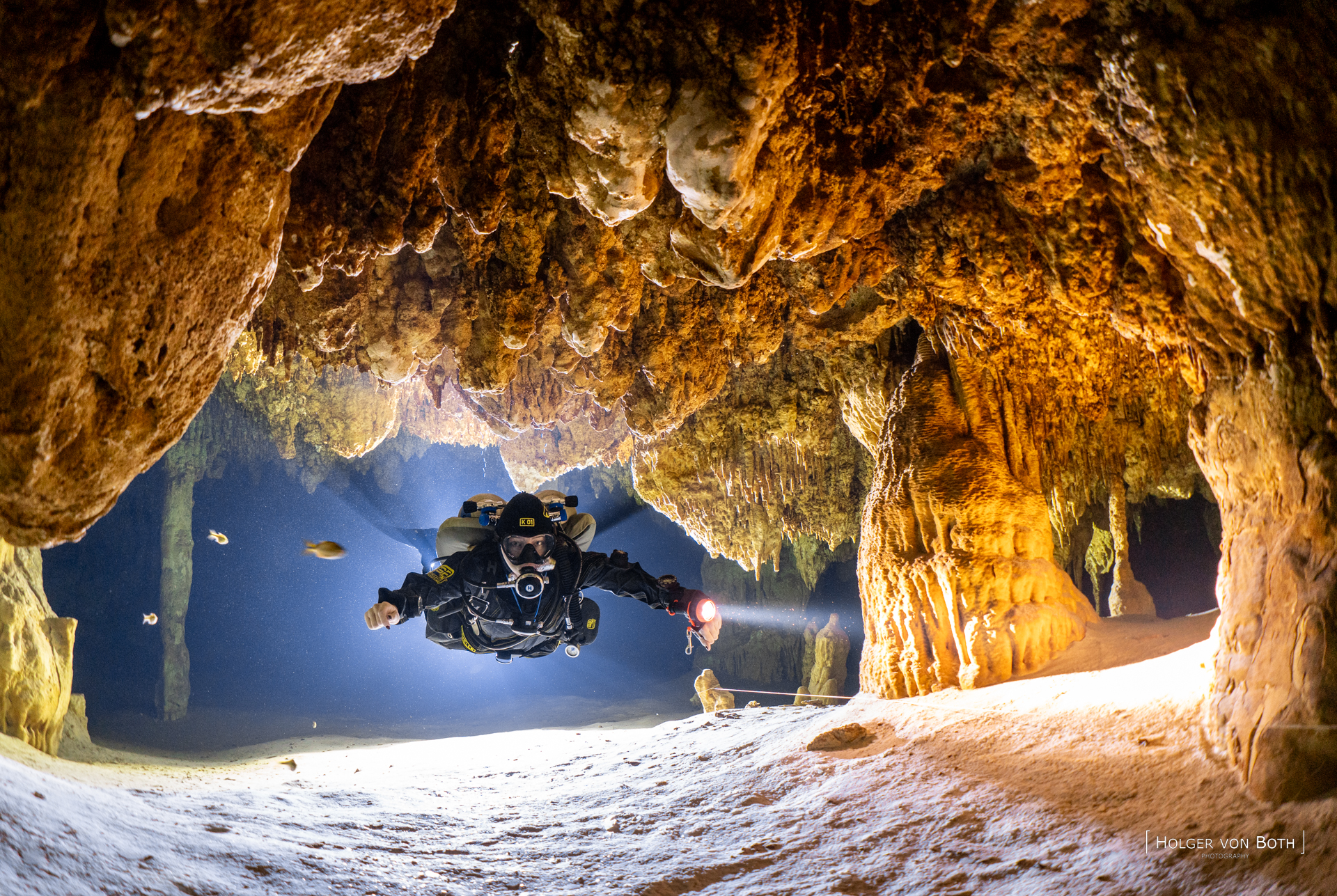
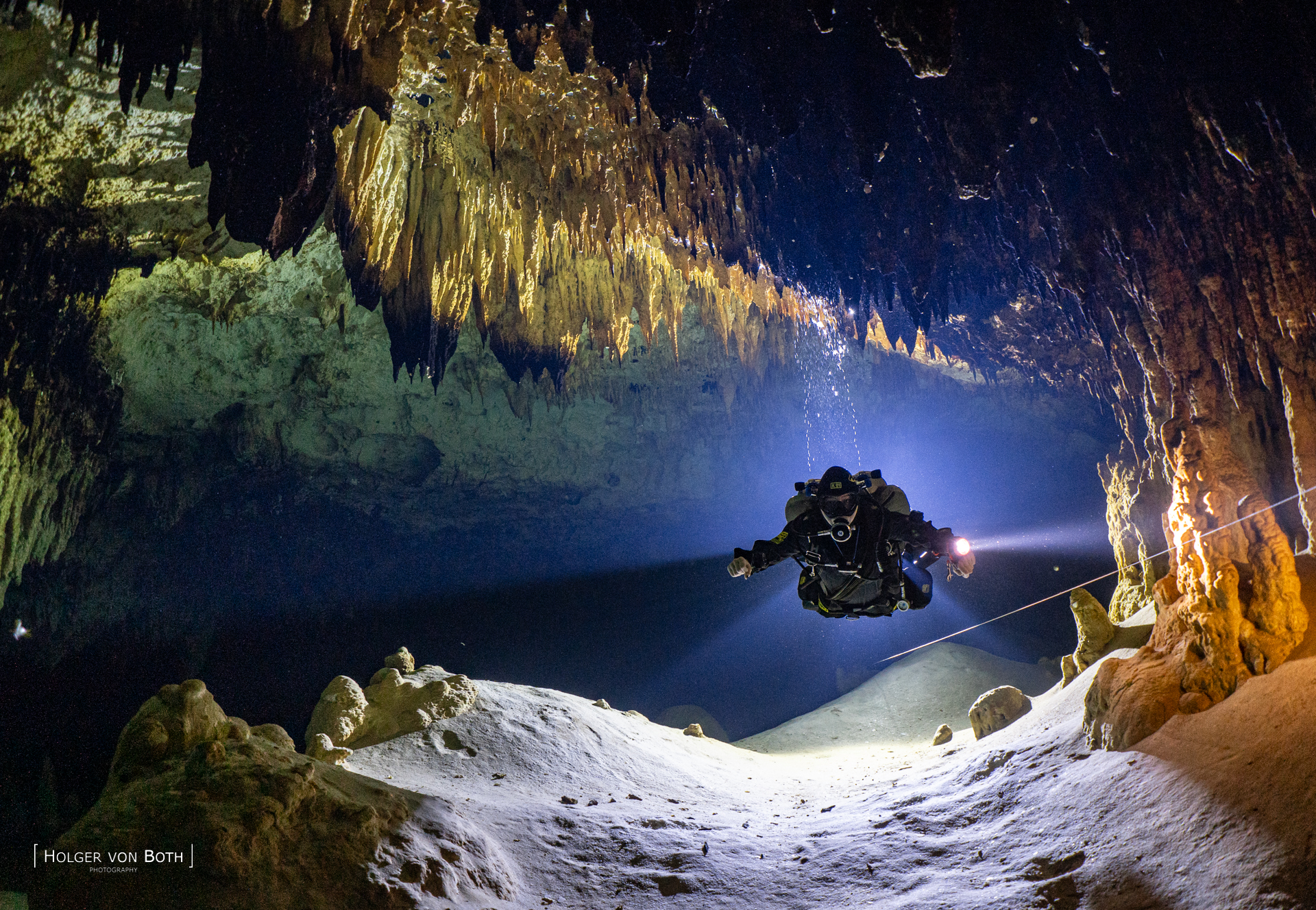
- complex stalactite and stalagmite formations
Many systems are located in jungle environments around Tulum and require varying levels of logistical access depending on remoteness.
Cenote cave systems (overview)
The following cenotes are documented in this collection:
- Cenote Xulo
- Cenote Otoch-Ha (Nariz)
- Cenote Nohoch-Nah-Chich
- Cenote El Toh
- Cenote Jailhouse
- Cenote Dos Pisos
- Cenote Mayan Blue
- Cenote Tortuga
- Cenote Nai-tucha
- Cenote Dos Palmas
- Cenote Sushi
Cenote Xulo (Tulum)
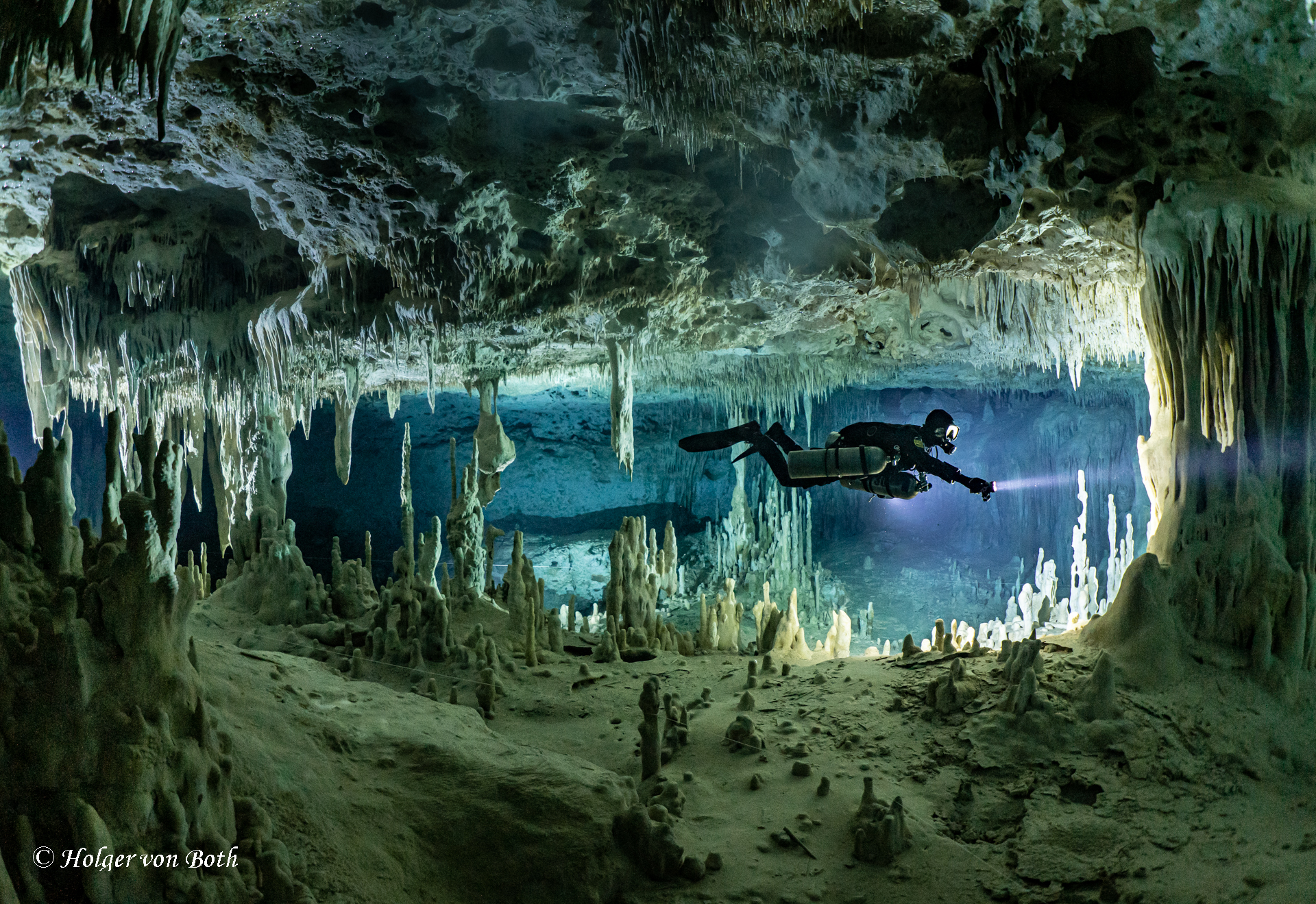
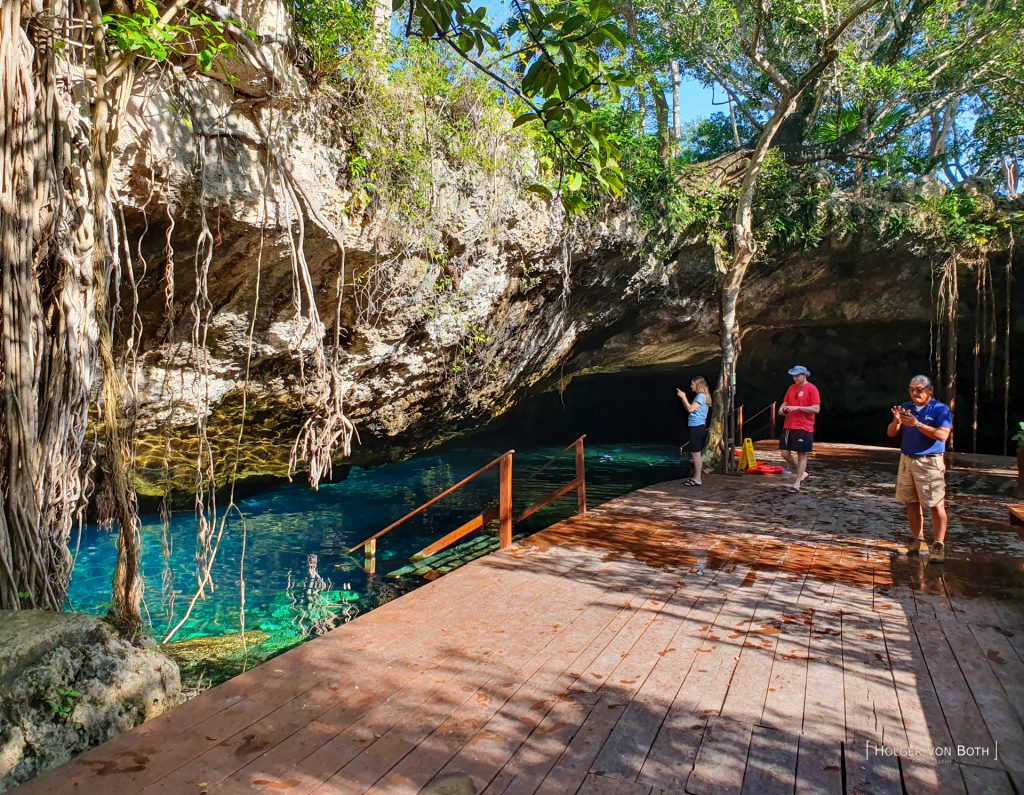
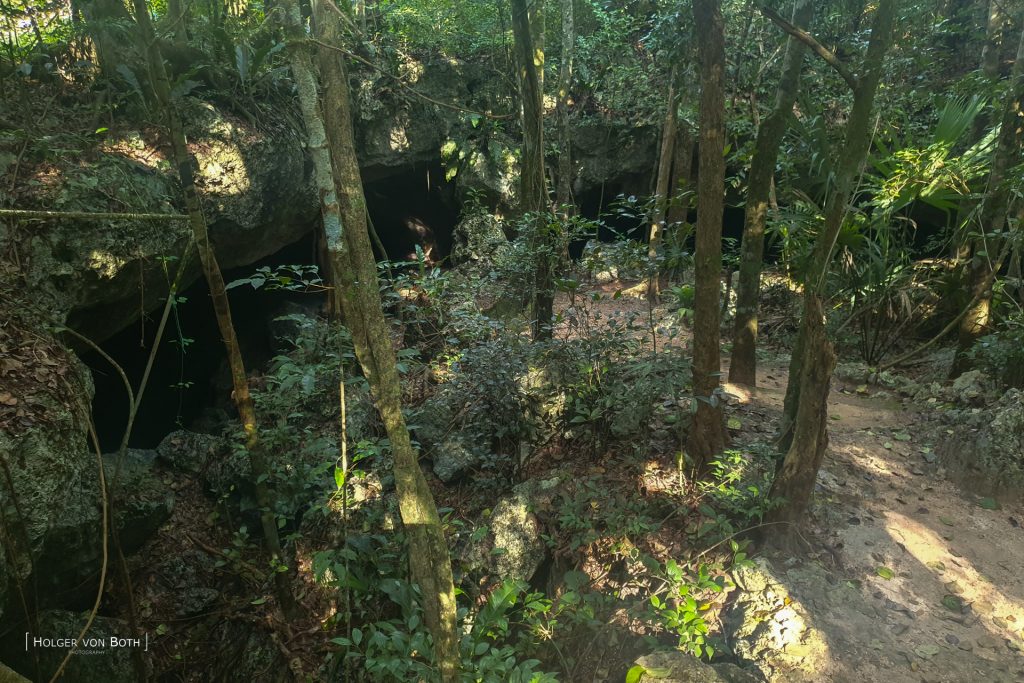
Cenote Xulo is located close to the highway and is easily accessible by car. The entry point is only a short walk from the parking area, with well-maintained infrastructure and facilities for divers. After entry, a short descent leads into a large dry chamber connected to a network of excavated tunnels. A shallow pool with crystal-clear water and white stalactite formations marks the transition into the submerged system. From there, a restricted entrance connects to the main cave line, which leads into a large cathedral-like chamber.
The system is characterized by:
- large decorated rooms
- white limestone formations
- structured tunnel passages
- strong visual contrast between dry and wet sections
Cenote Xulo represents a highly accessible yet visually impressive underwater cave environment.
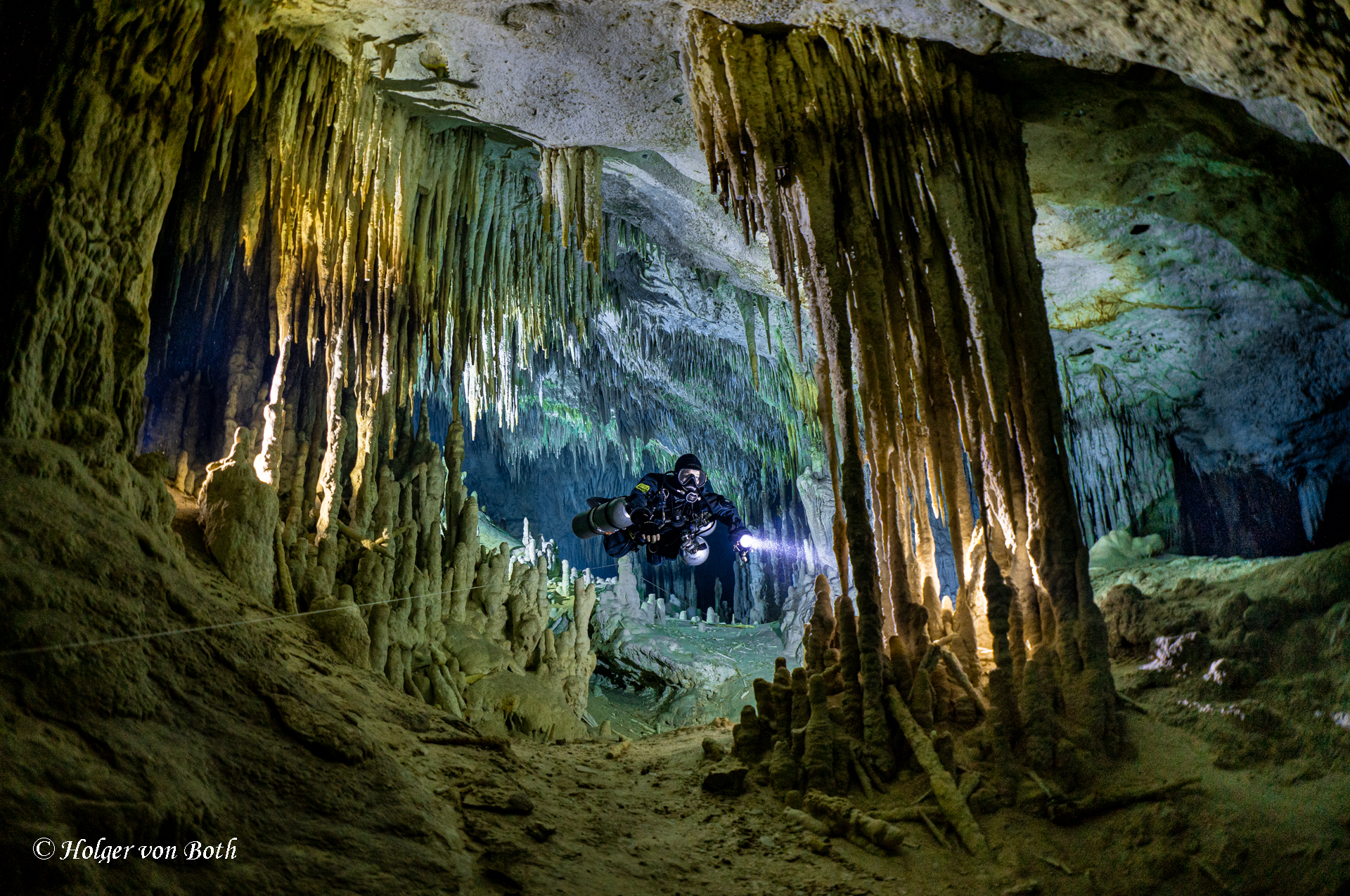
Cenote Otoch-Ha (Nariz)
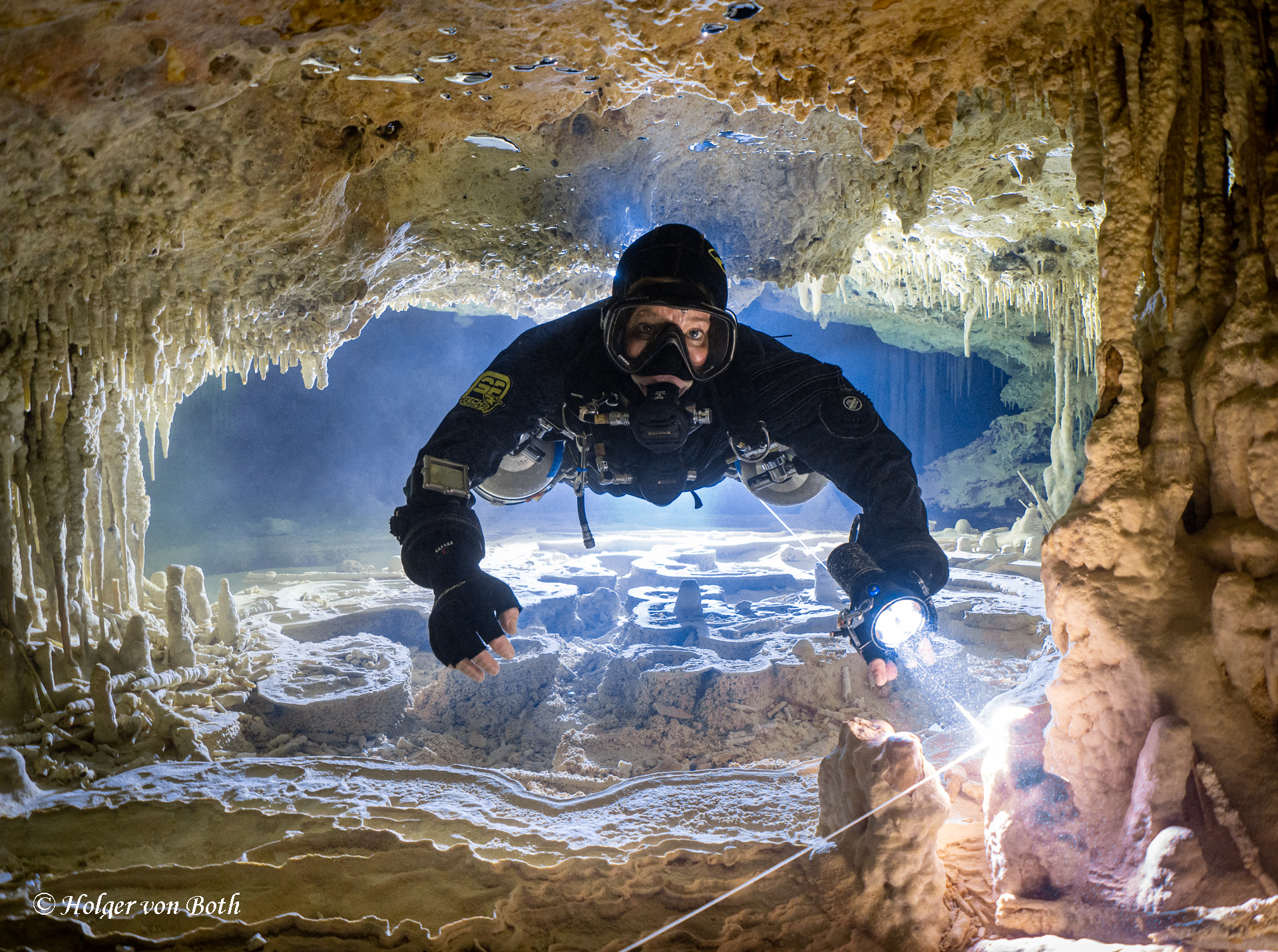
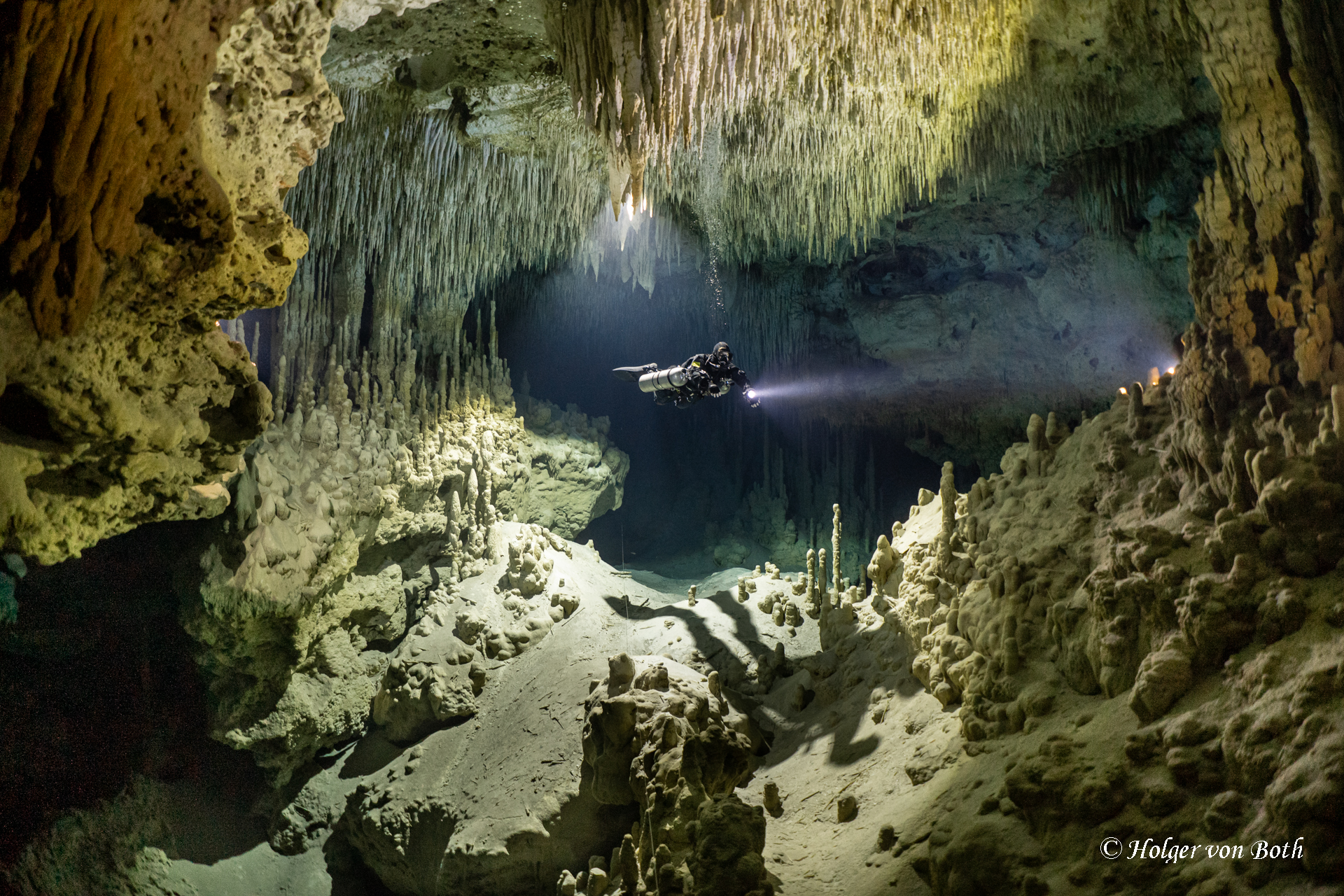
Cenote Otoch-Ha is located deeper in the jungle and requires a 4×4 vehicle due to difficult road conditions. The final approach to the entrance is short but technically demanding. The main guideline extends far into the cave system and connects to open water sections. At the entrance, a distinct “T” junction divides upstream and downstream passages.
The system includes:
- decorated limestone sections similar to Nohoch mainline
- smaller confined passages
- large boulder formations
- multiple navigational jumps
Otoch-Ha combines structural complexity with highly varied cave geometry and is considered one of the most diverse cenote systems in the region.
Cenote Nohoch-Nah-Chich (Sistema Sac Actun)
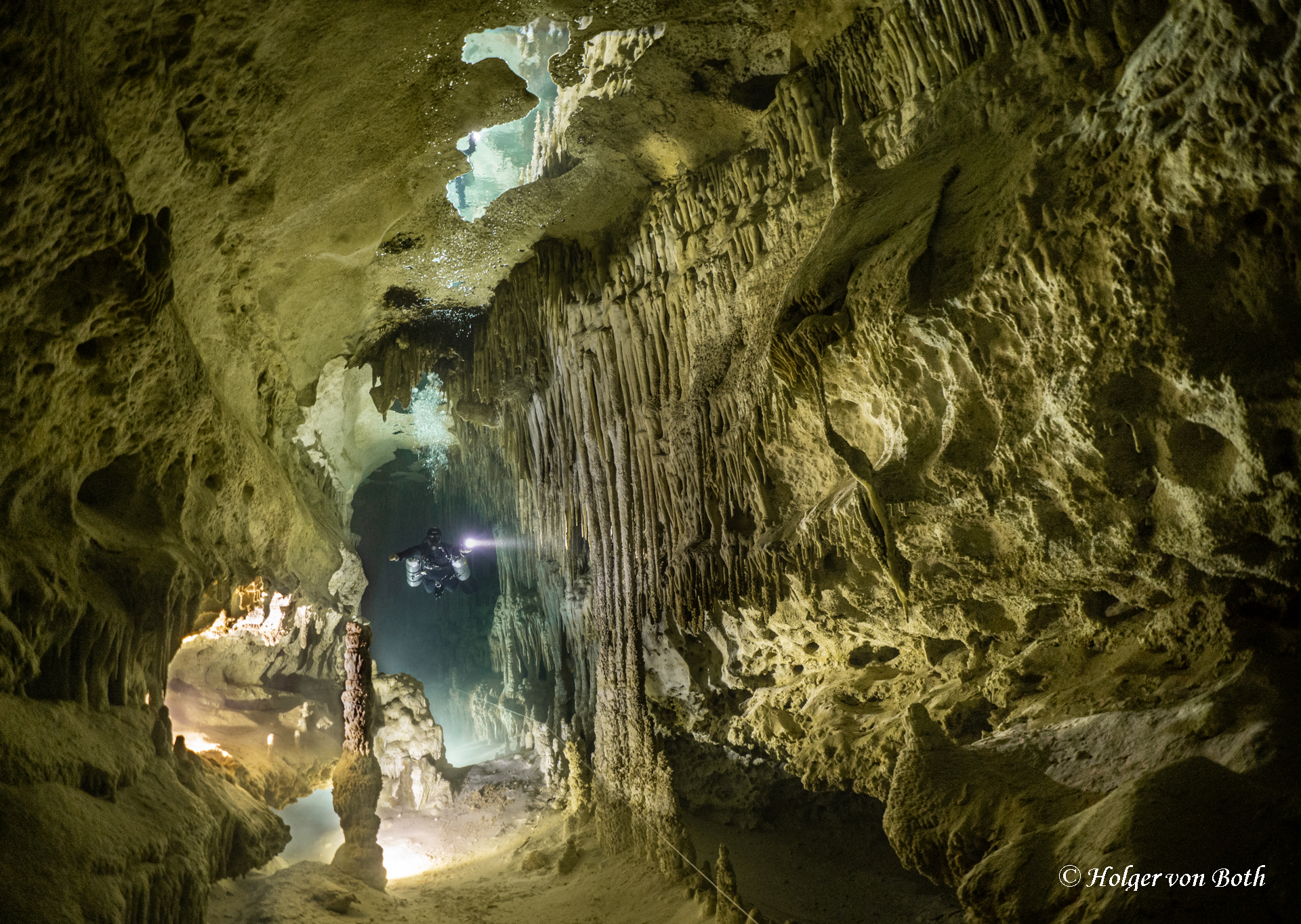
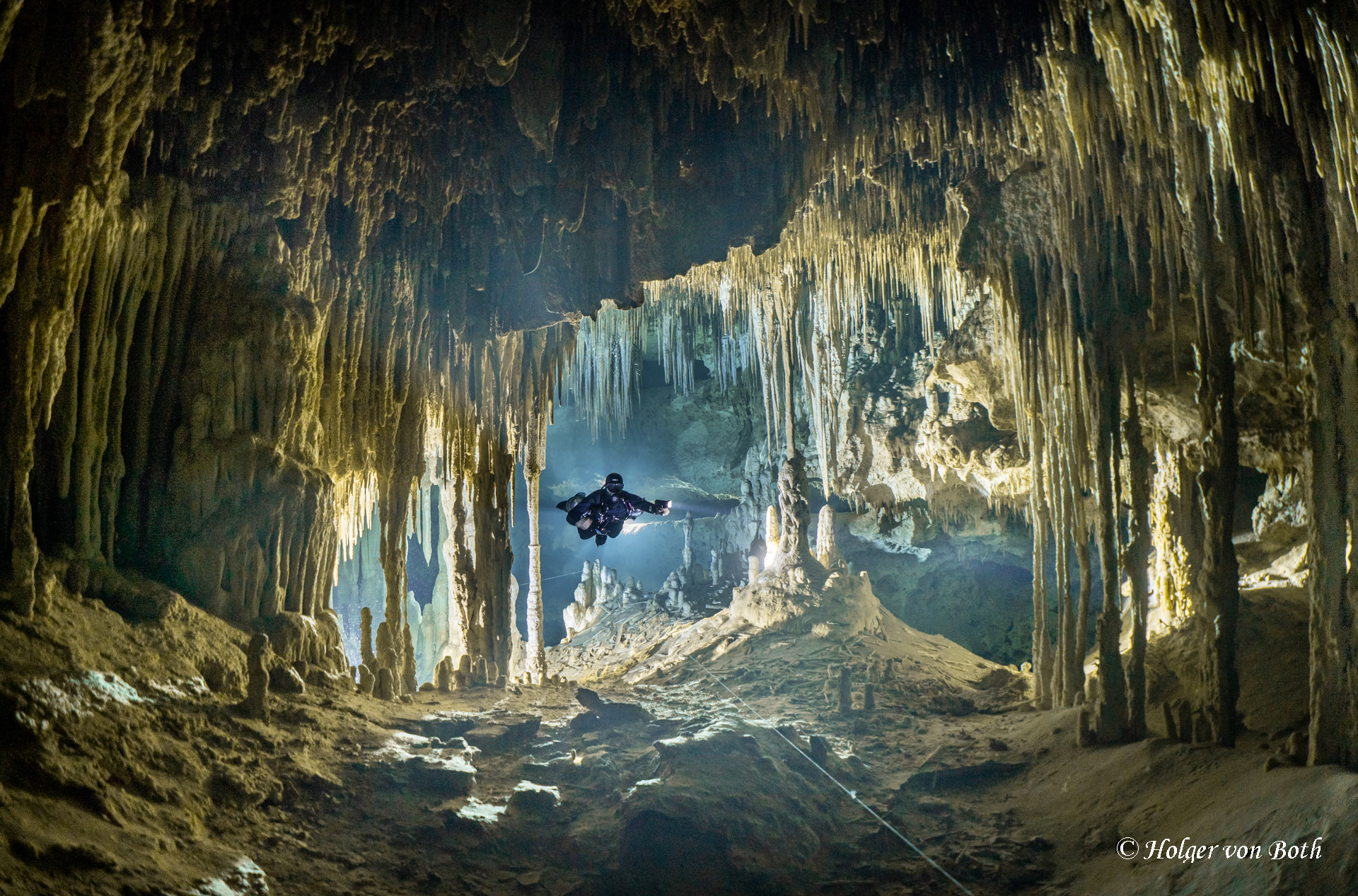
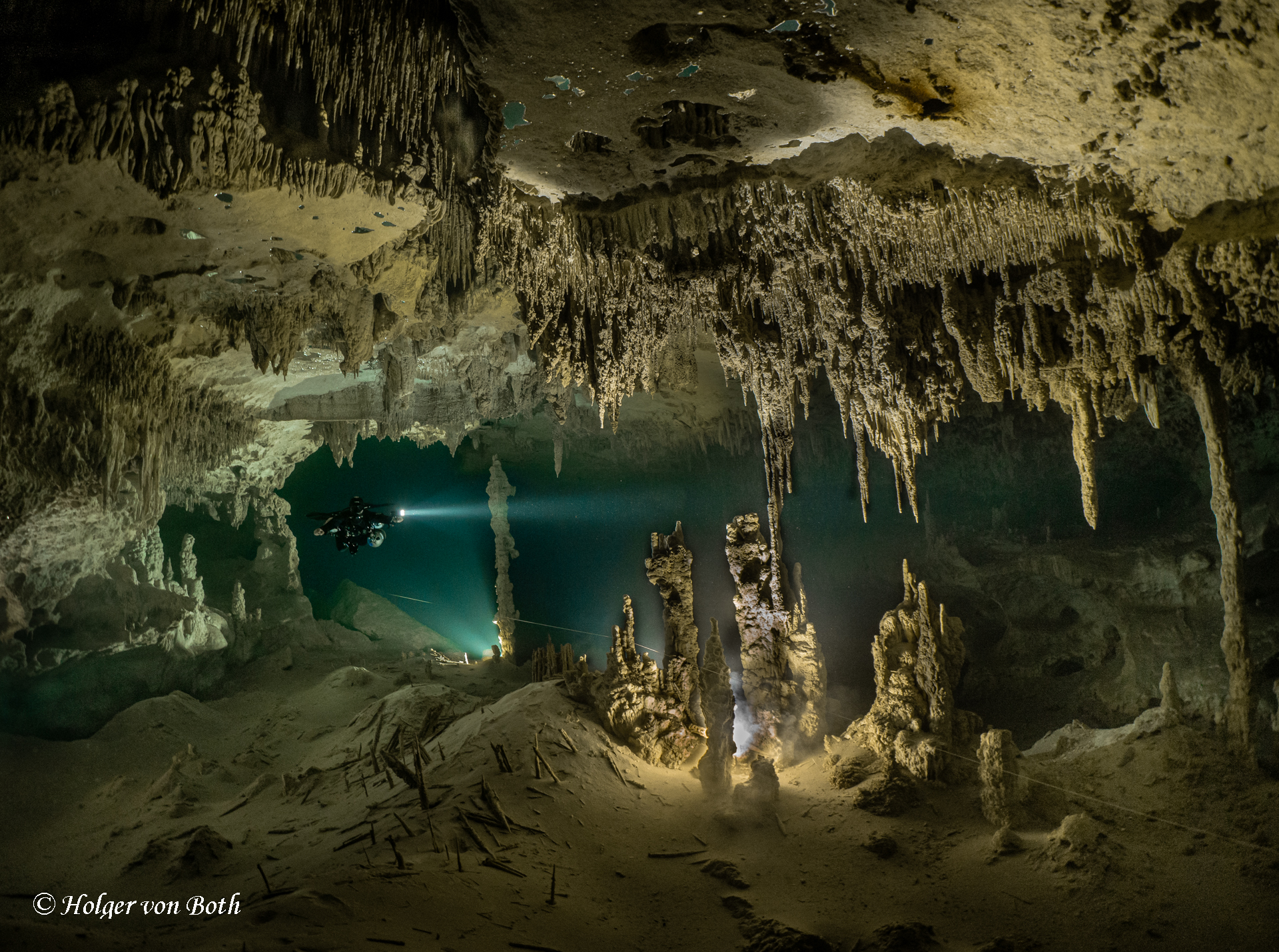
Cenote Nohoch-Nah-Chich is part of the extensive Sistema Sac Actun, one of the longest surveyed underwater cave systems in the world. Exploration of this system has been ongoing for more than a decade.
The entrance is located not far from the highway and is supported by solid diving infrastructure. Near the entrance, the system is relatively shallow and heavily decorated with stalactites, stalagmites, and stalagmats in varying colors.
A key highlight is the area known as “Heaven’s Gate”, a visually distinctive section within the cave system.
Cenote El Toh (Tulum)
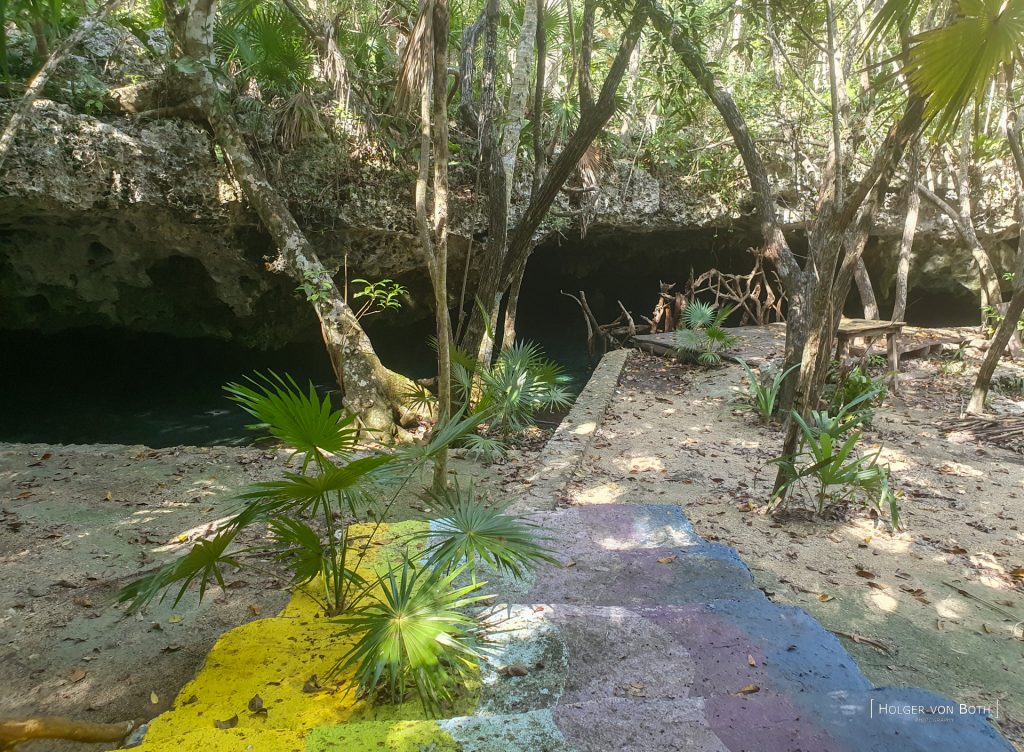
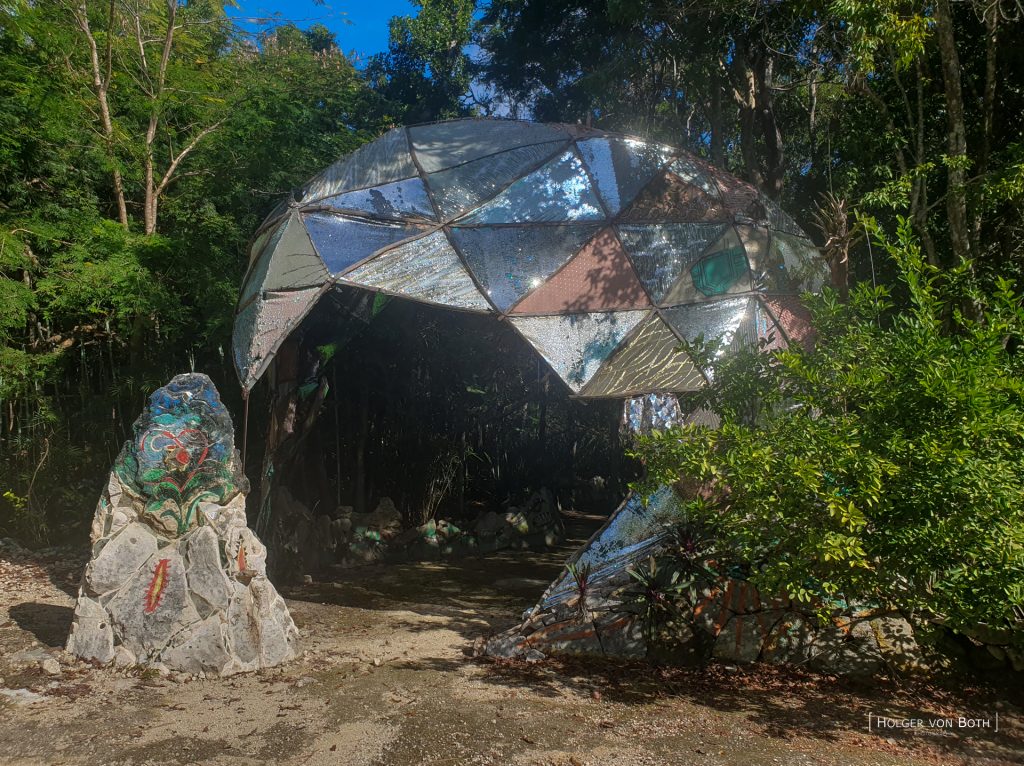
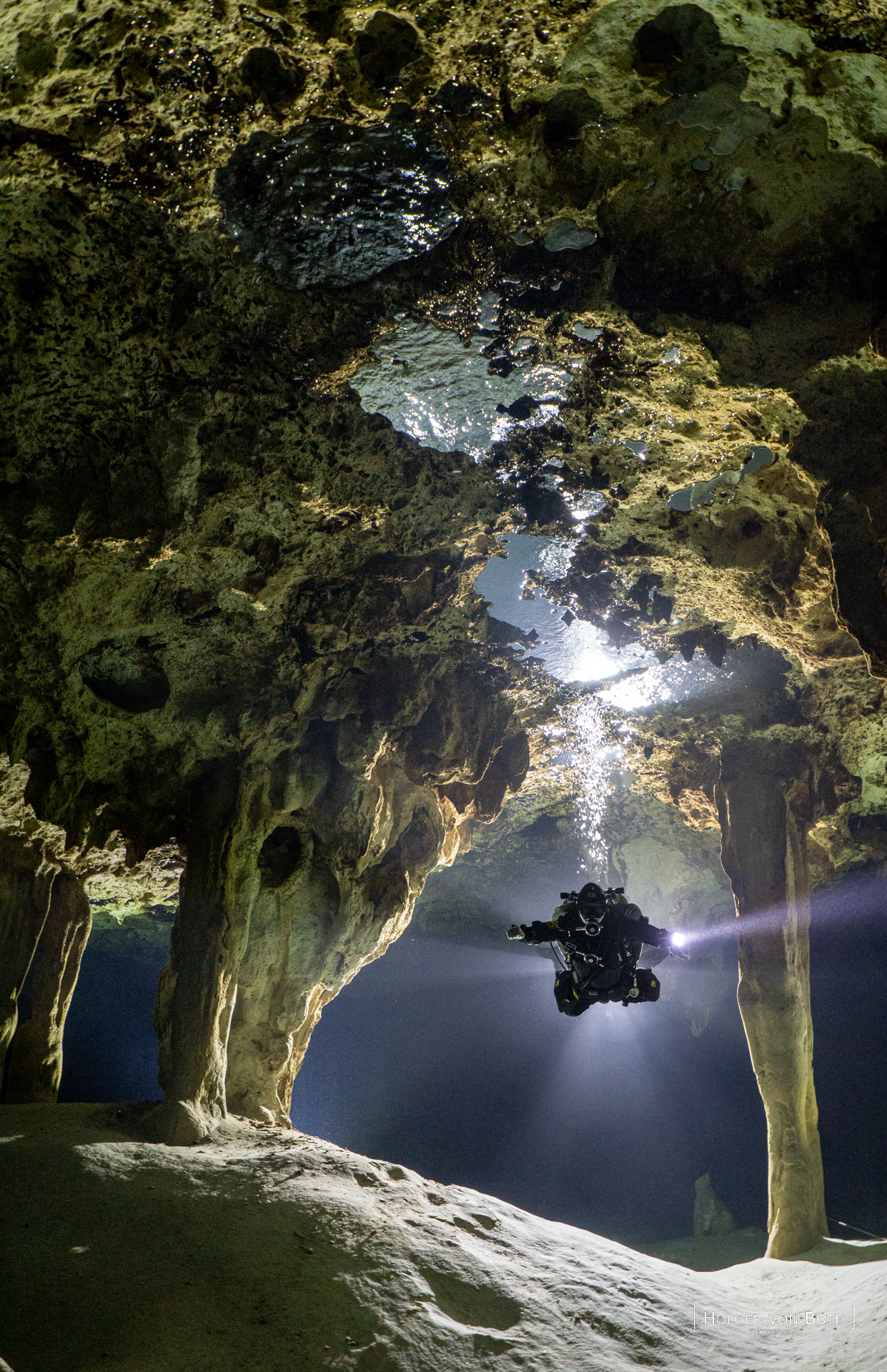
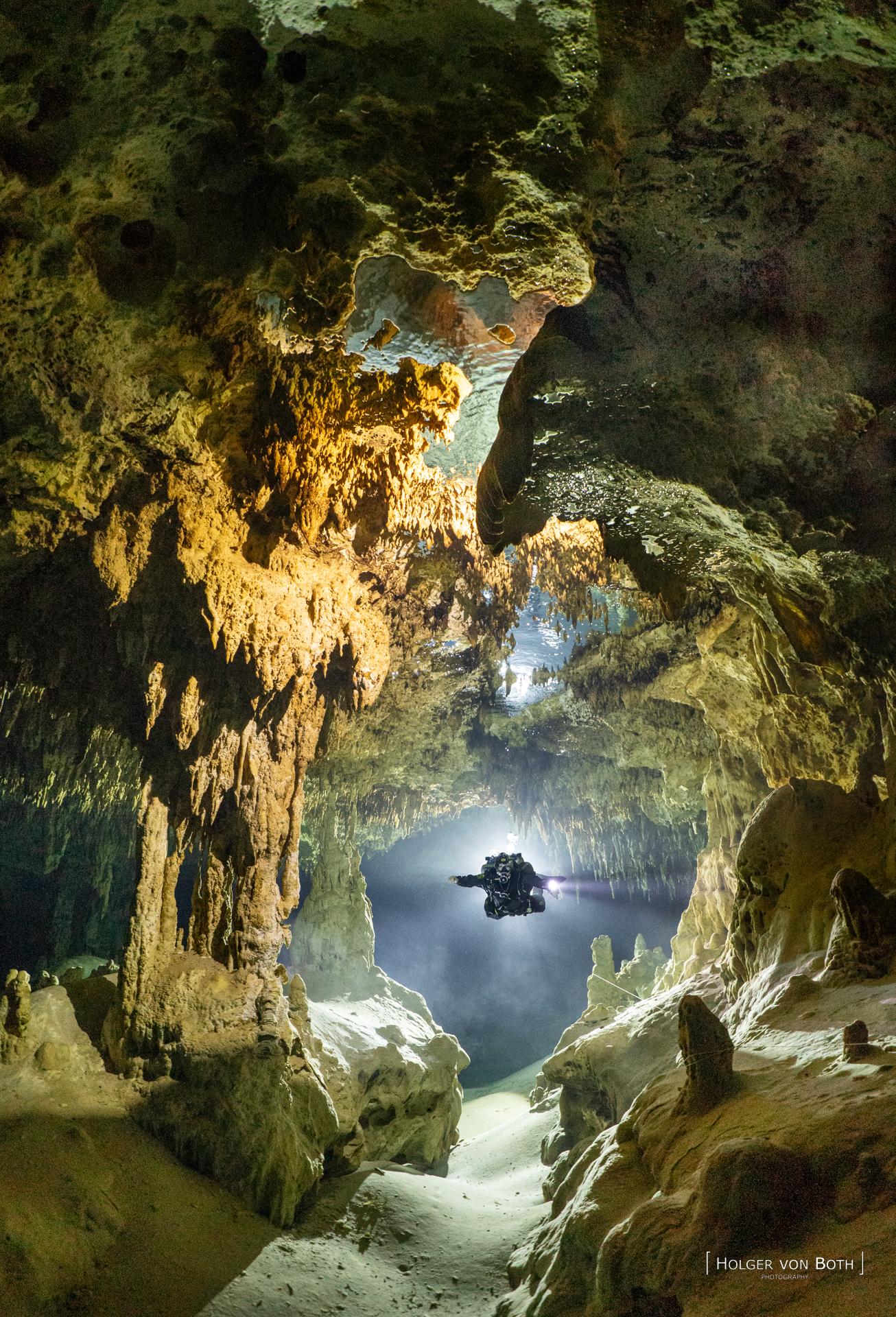
Cenote El Toh is located in a more remote jungle environment and is known for its distinctive access structure. A rainbow-colored staircase leads down to the cave entrance. Inside, the system opens into highly decorated and colorful limestone formations. The cave is characterized by strong visual contrast and rich mineral coloration, creating a highly atmospheric diving environment.
Cenote Jailhouse (Tulum)
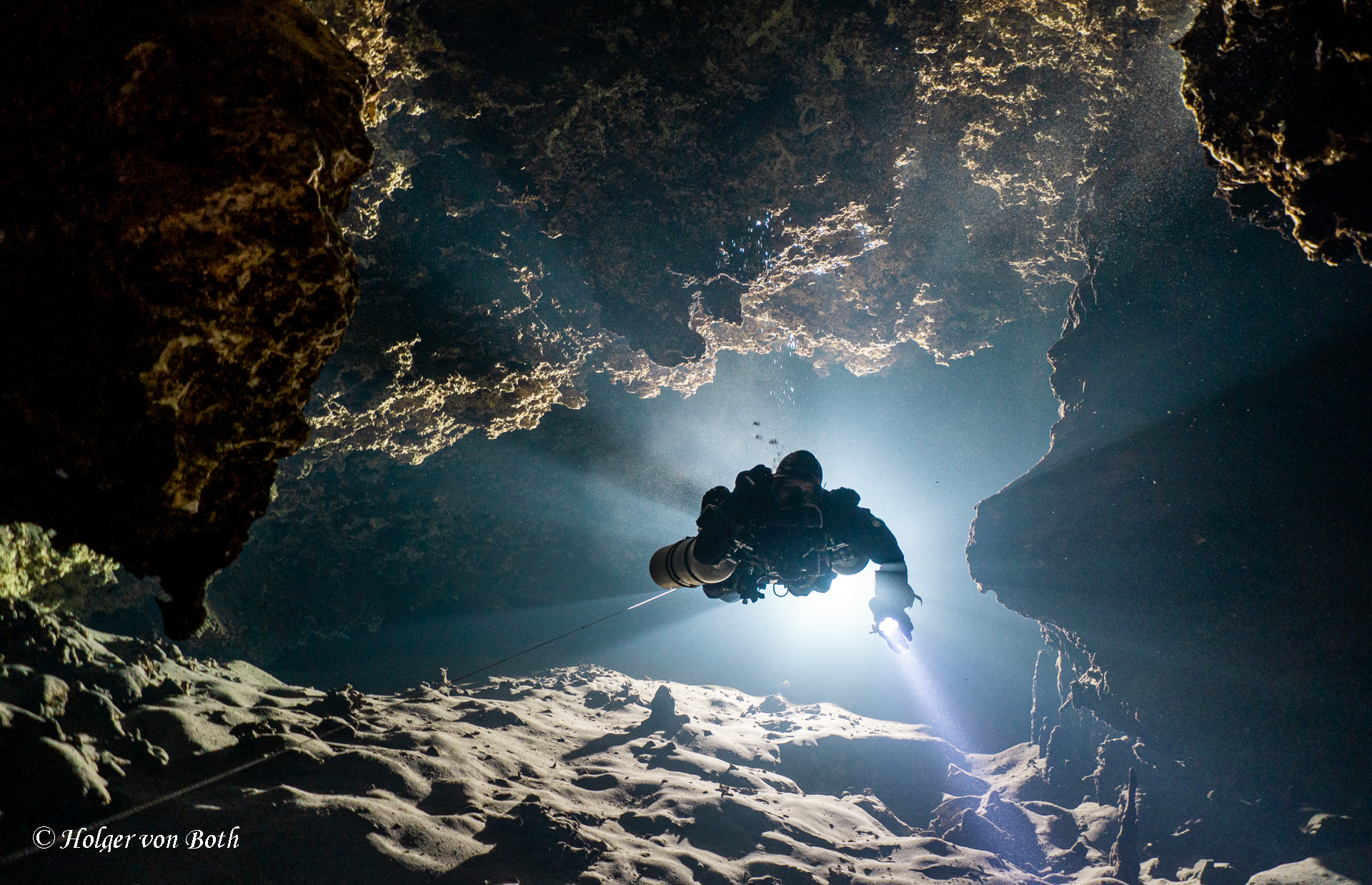
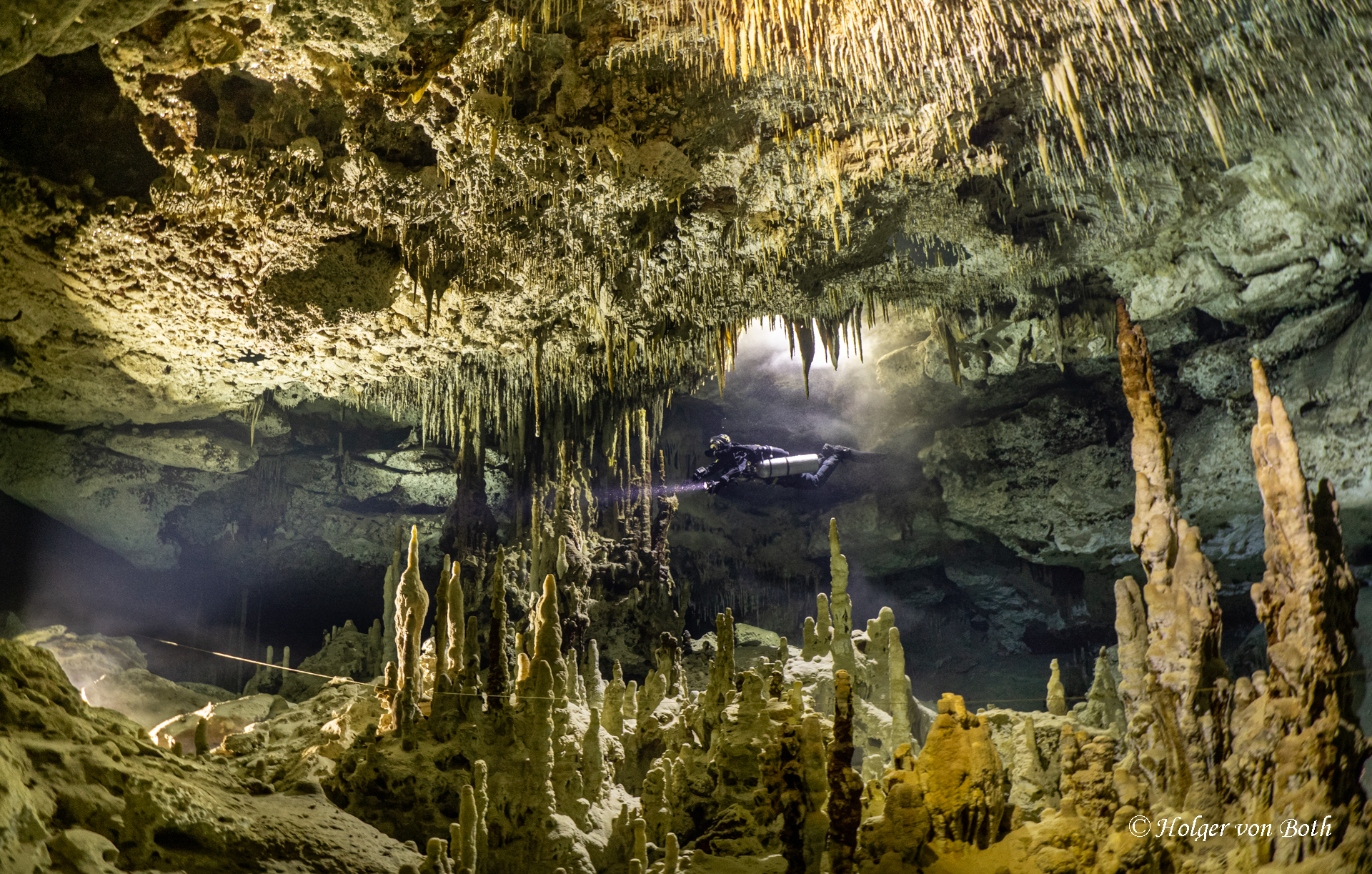
Cenote Jailhouse is located south of Tulum and features one of the most unusual entry environments in the region. The entrance begins with a dark, tannic freshwater lake, which is uncommon for cenotes in Mexico. After entry, the system divides into two distinct environments: The shallow freshwater section is dark, structured, and contains multiple small passages. The deeper saltwater section transforms into a completely different environment with high visibility and intense blue coloration caused by salinity.
The system is defined by:
- strong water stratification
- contrasting visibility zones
- white limestone formations in deeper sections
- dual-environment cave structure
Cenote Dos Pisos (Tulum)
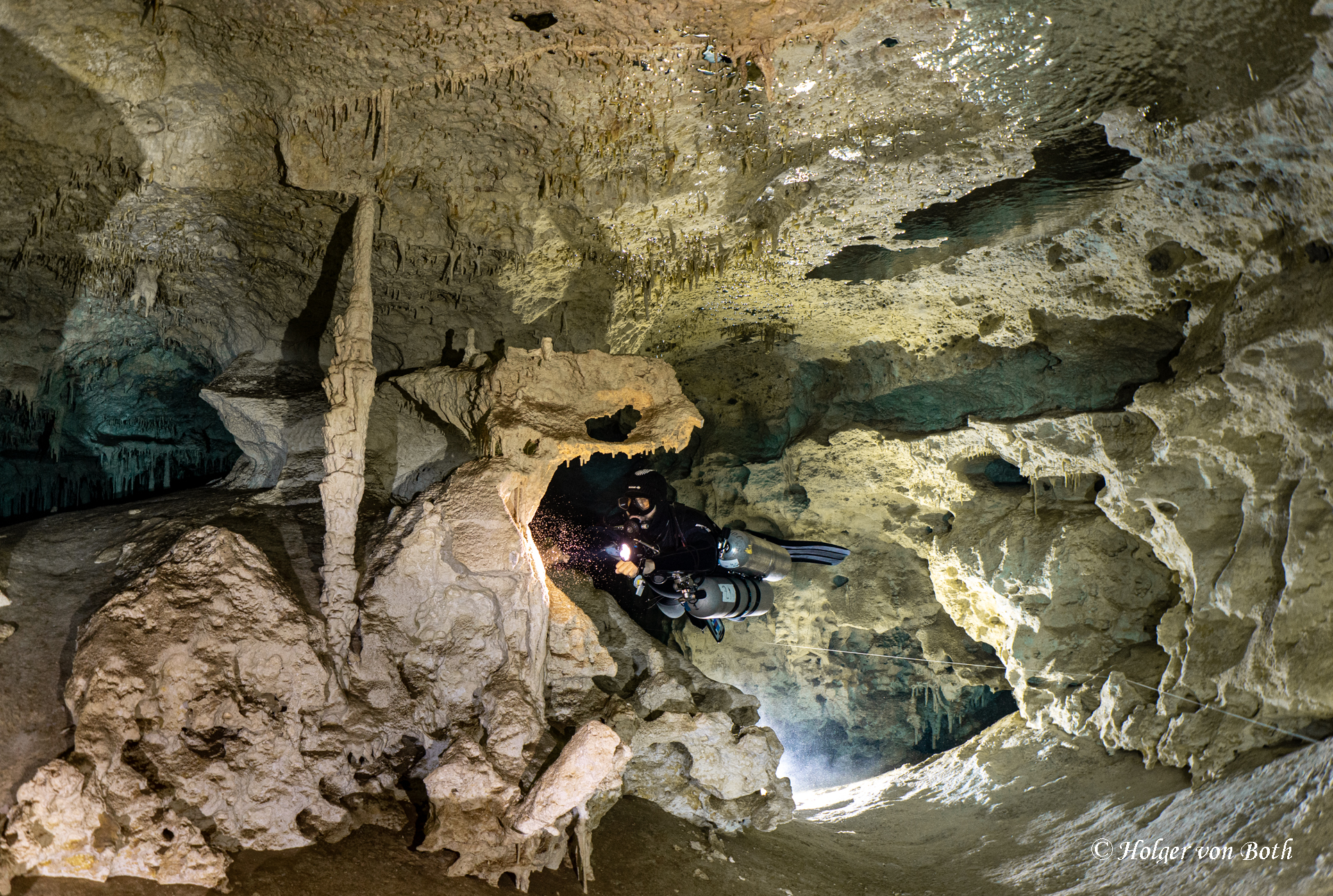
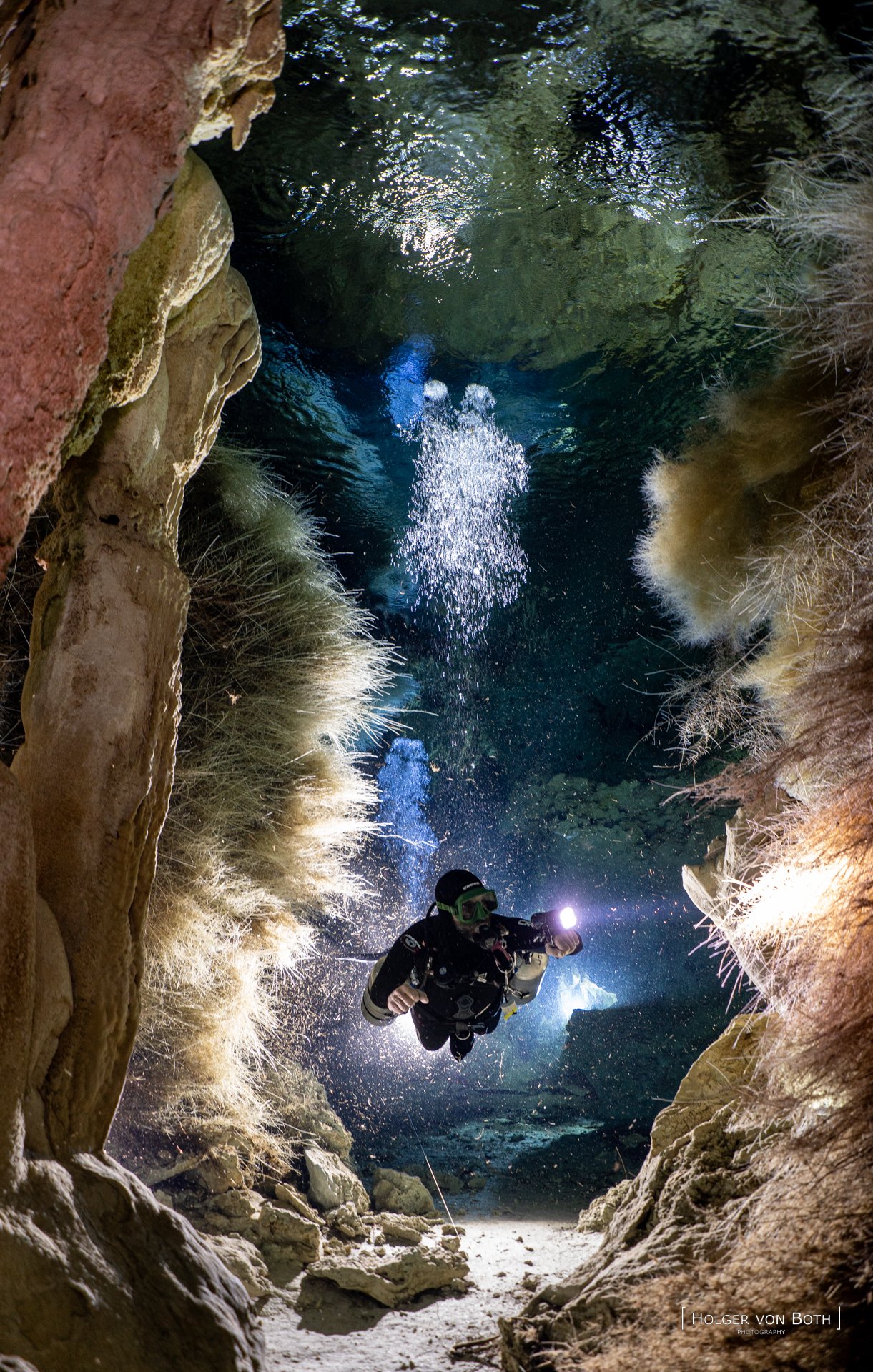
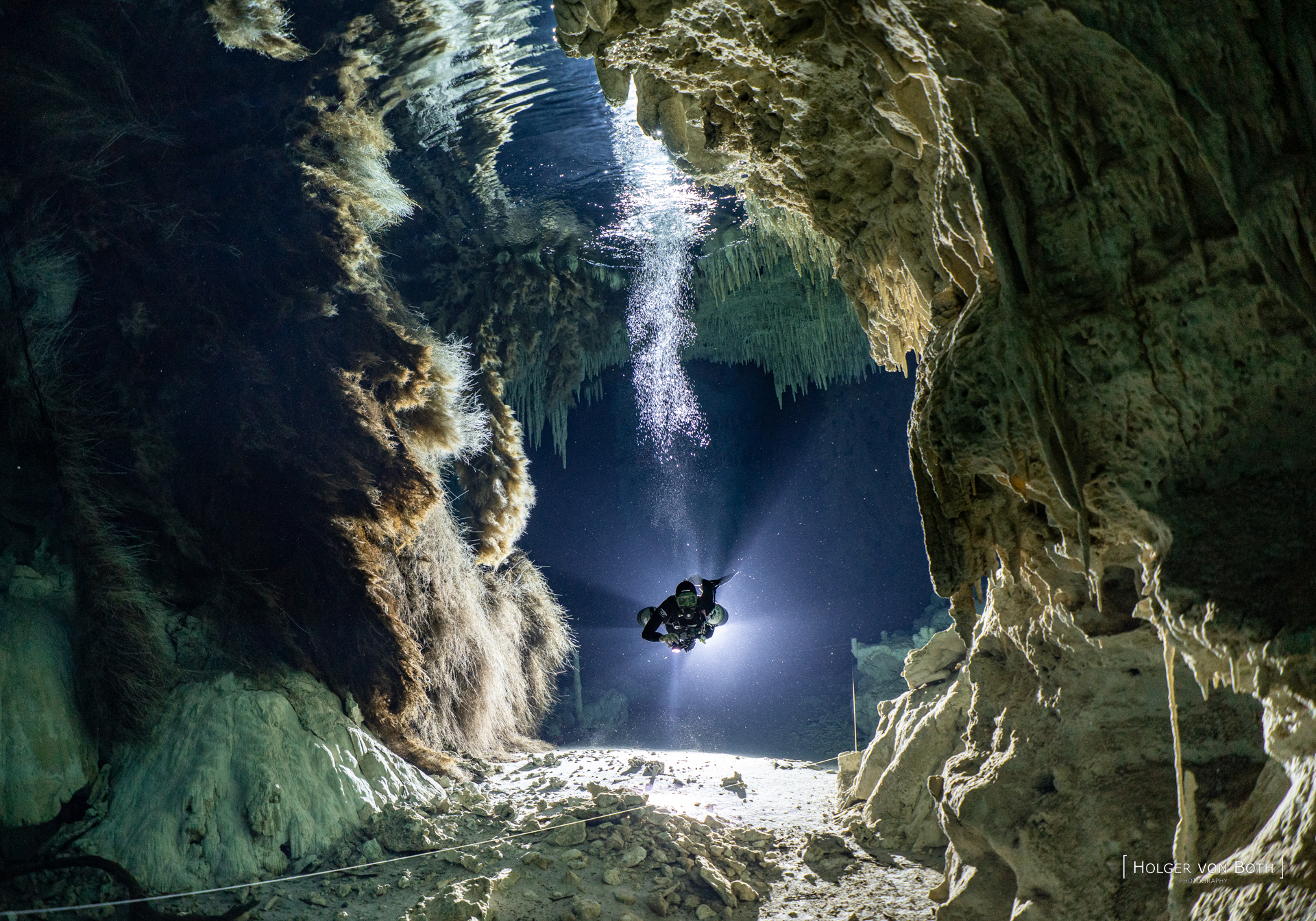
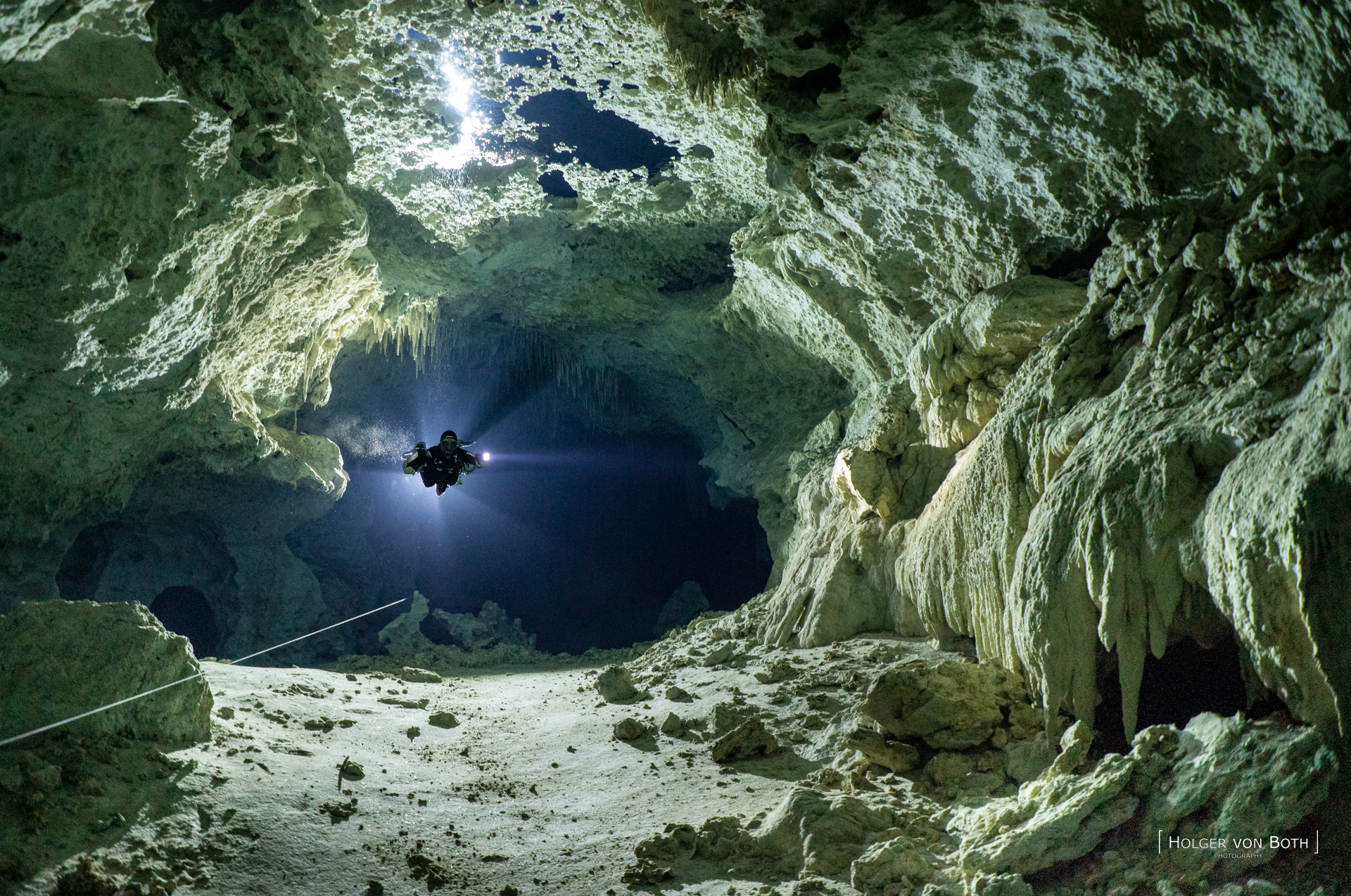
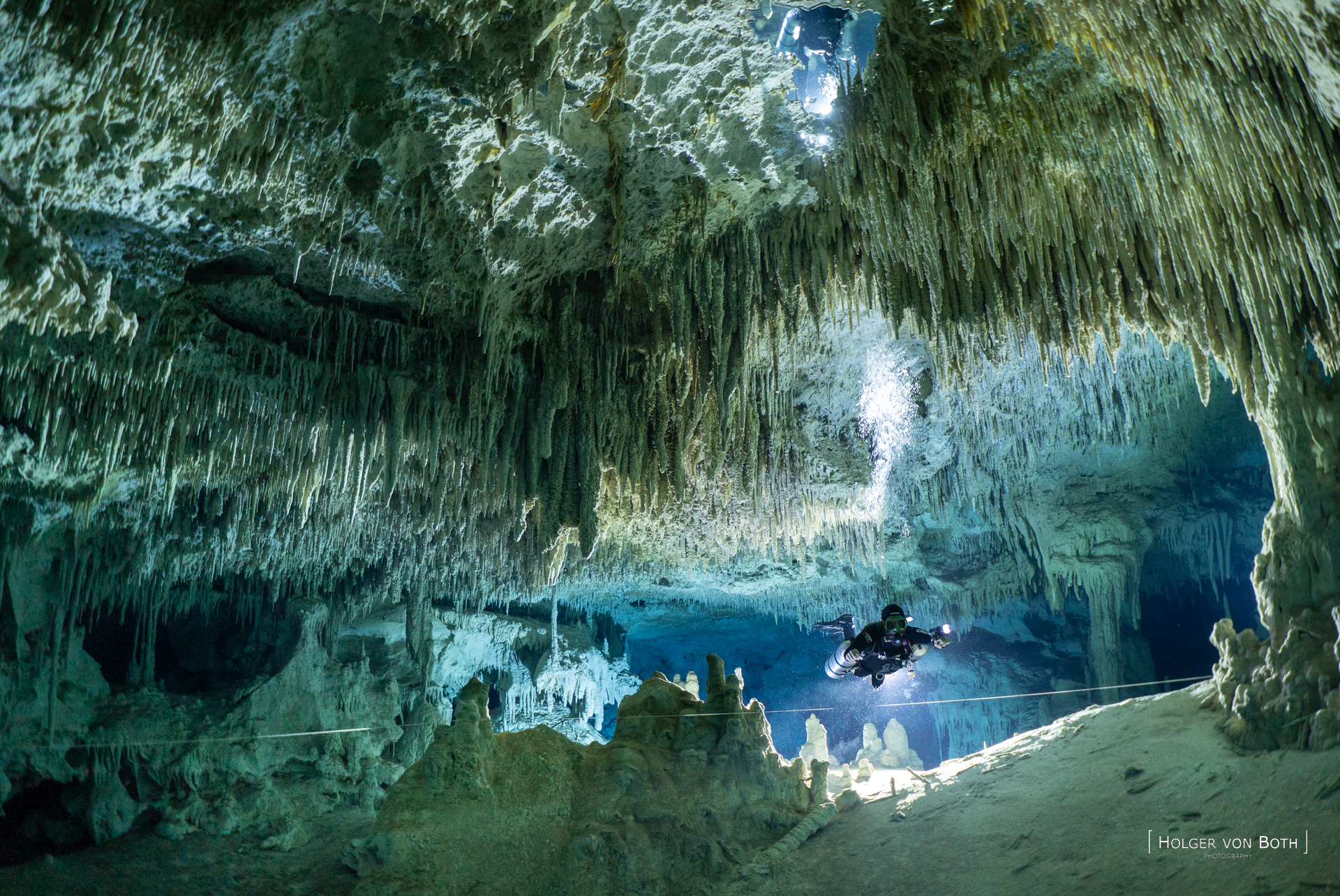
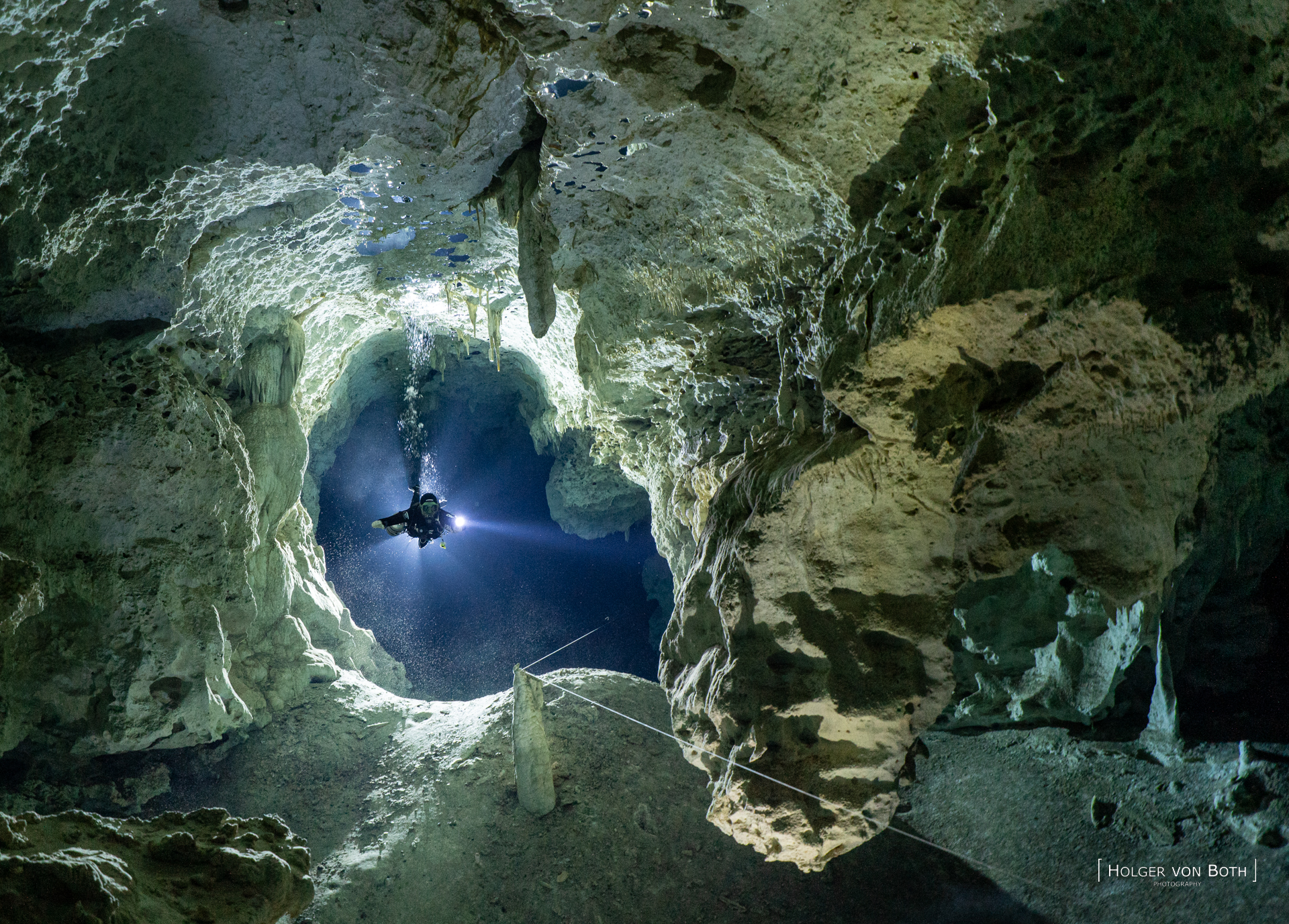
Cenote Dos Pisos is located in the jungle area southwest of Tulum, close to the highway. The system is structured across two levels and features white limestone formations including stalactites, stalagmites, and stalagmats. Entry is located on the left side of the system and is particularly suitable for sidemount configurations, although it can also be dived with doubles.
The combination of:
- white limestone
- tree root formations
- multi-level structure
makes Dos Pisos a highly distinctive cenote environment.
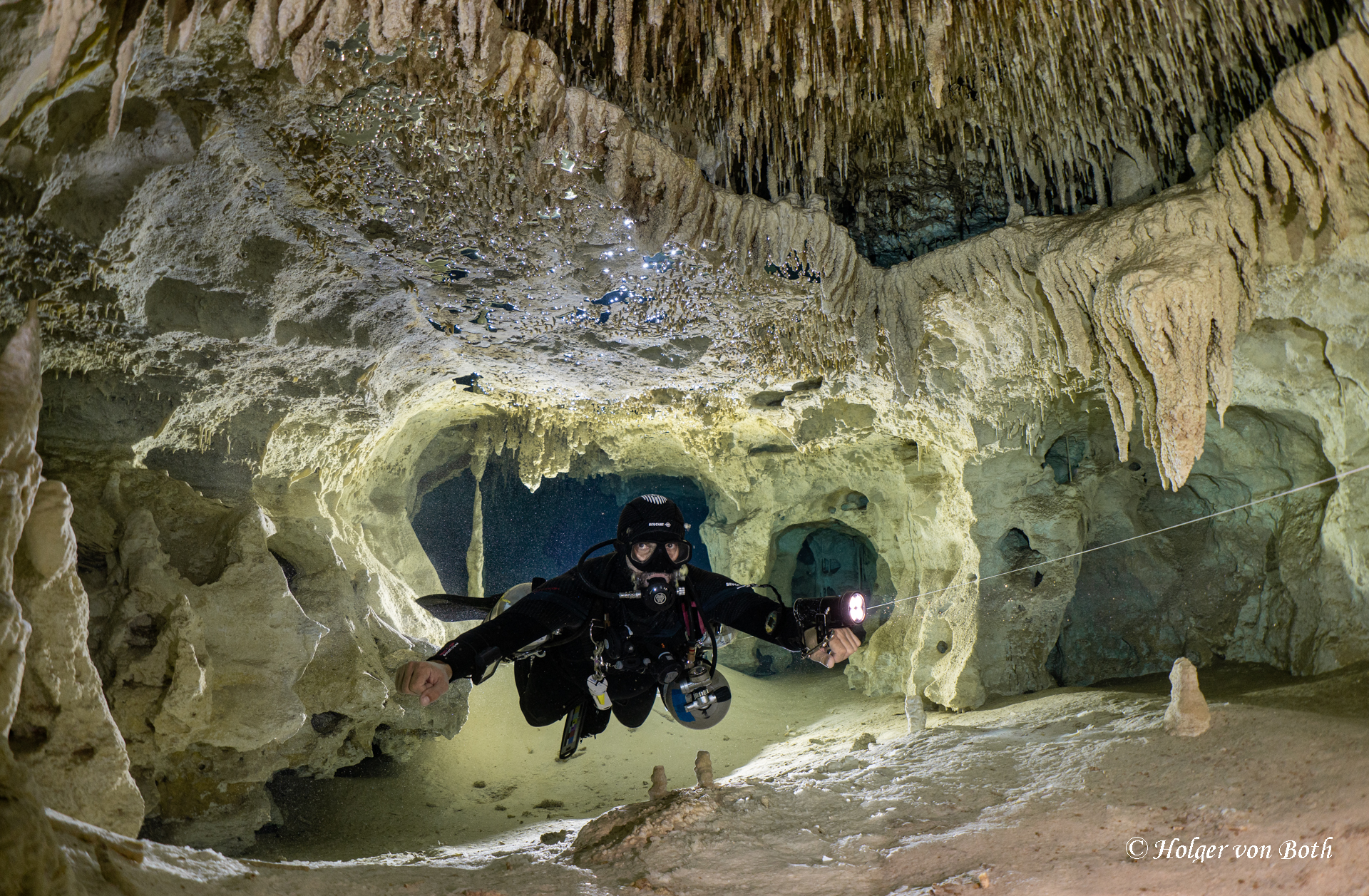
Side passages accessed via jumps reveal additional decorated sections within the system.
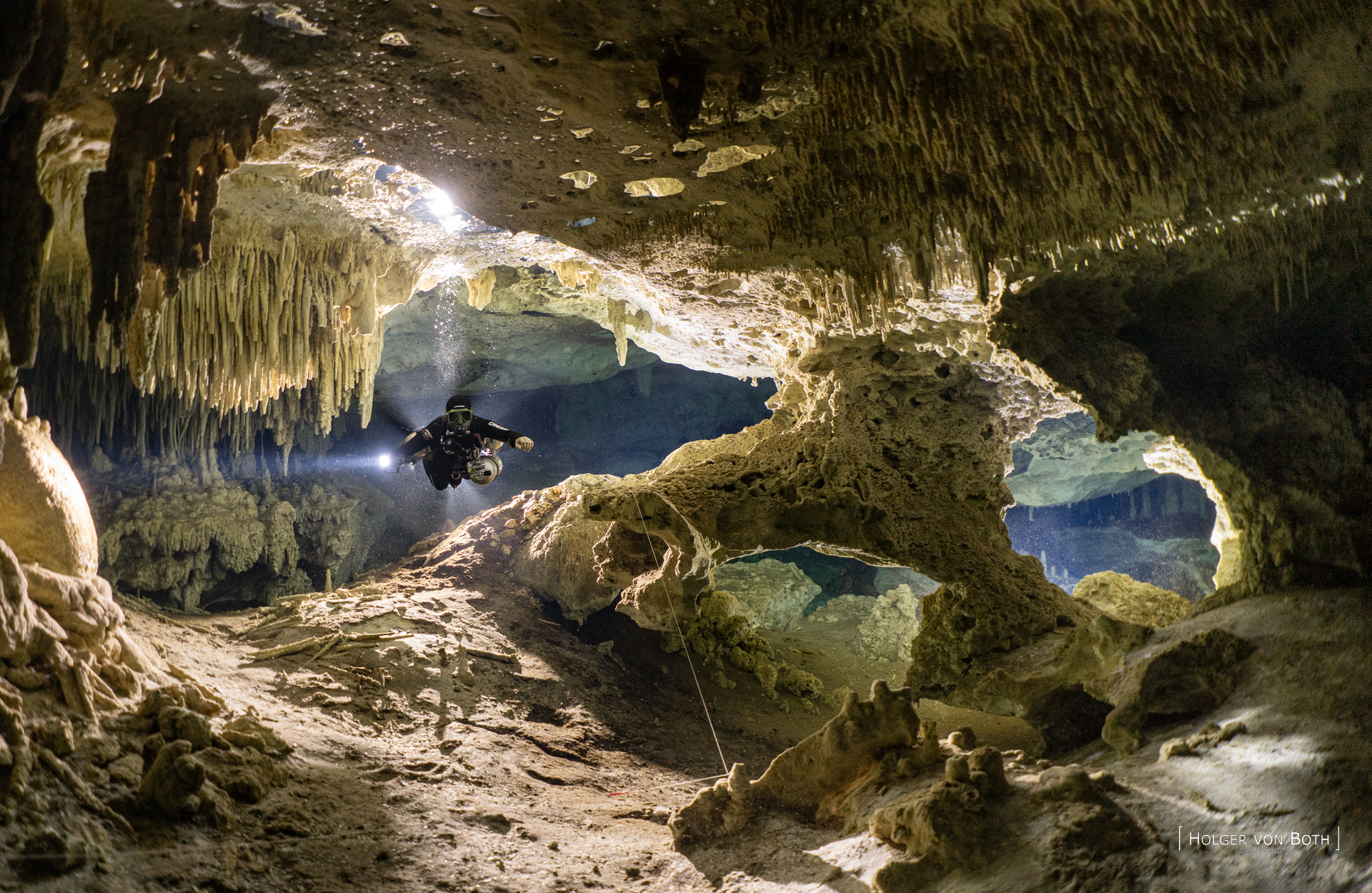
A notable feature is the presence of jungle tree roots reaching into the cave system.
Cenote Mayan Blue (Tulum)
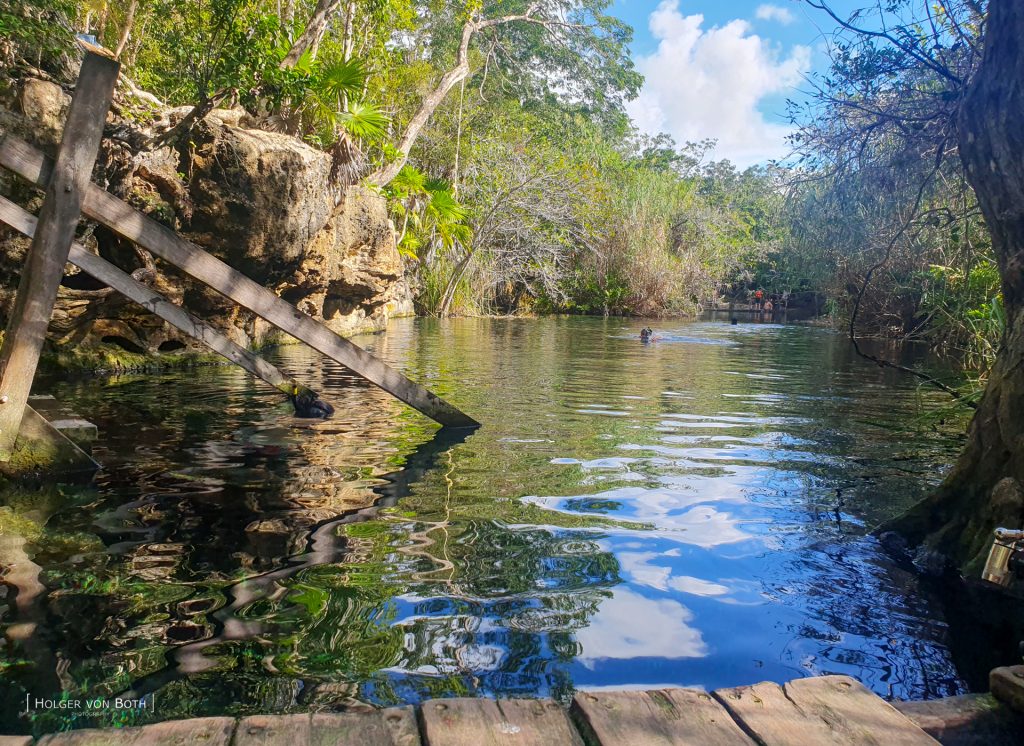
Cenote Mayan Blue is located south of Tulum and is frequently visited for both diving and swimming.
The site offers good infrastructure and multiple entry points (Tunnel A and B). The system is known for its strong color contrast:
- crystal-clear blue saltwater sections
- white limestone walls
- brownish freshwater layers above the halocline
At Tunnel A, a key jump leads toward the “Death Passage”, descending through the halocline into a large decorated chamber.
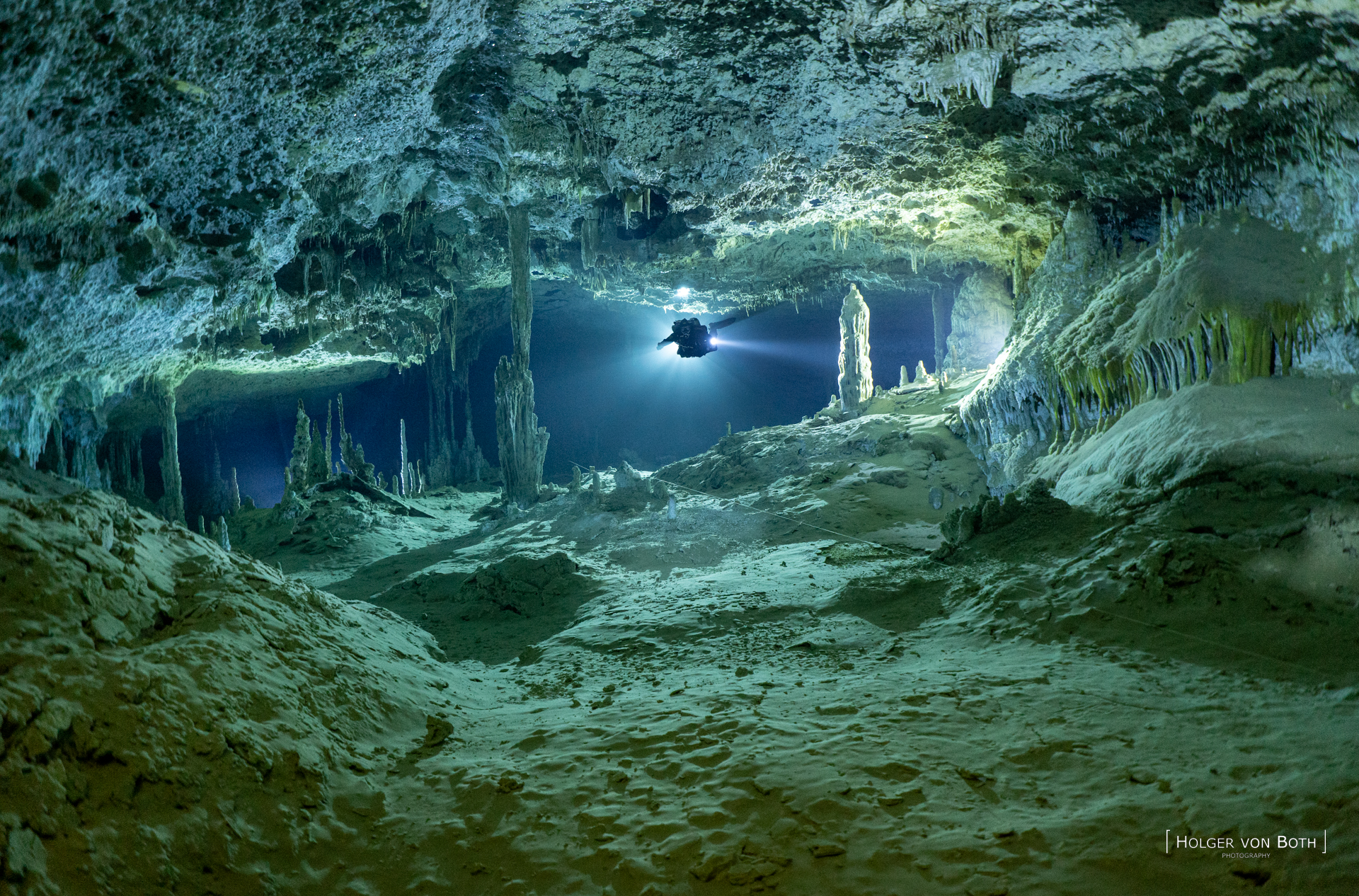
The halocline itself is often clearly visible in the water column, with distinct separation between freshwater and saltwater layers.
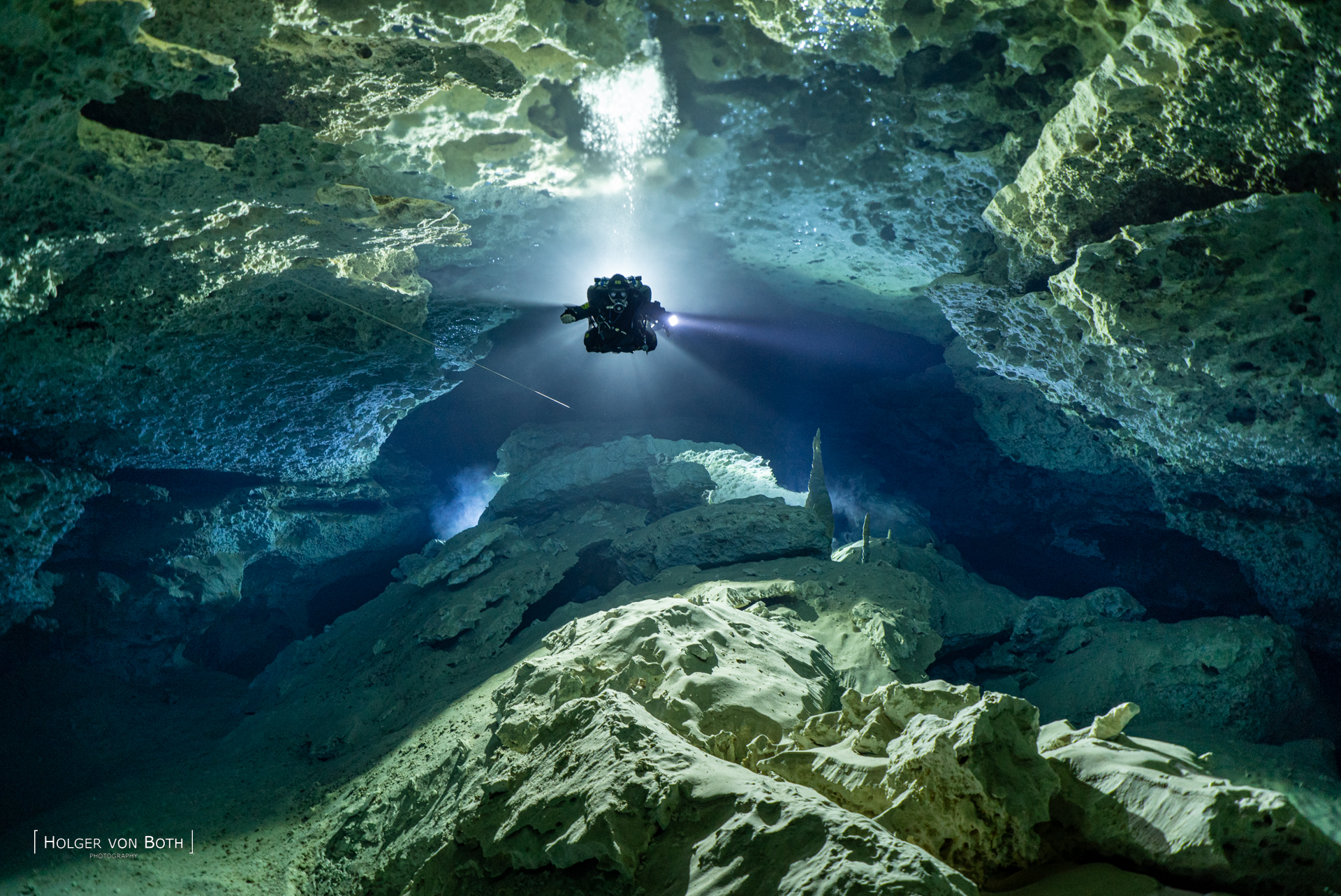
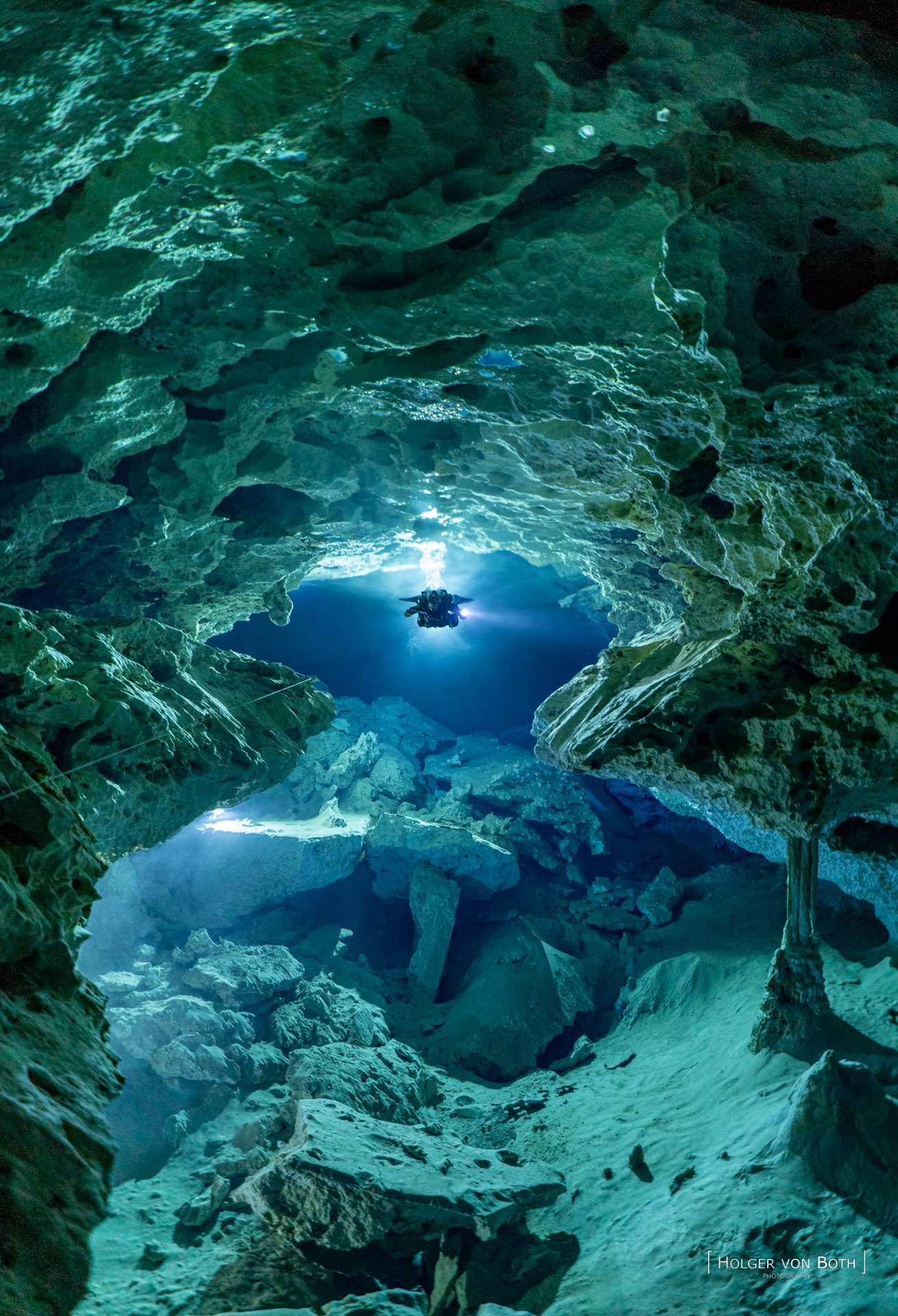
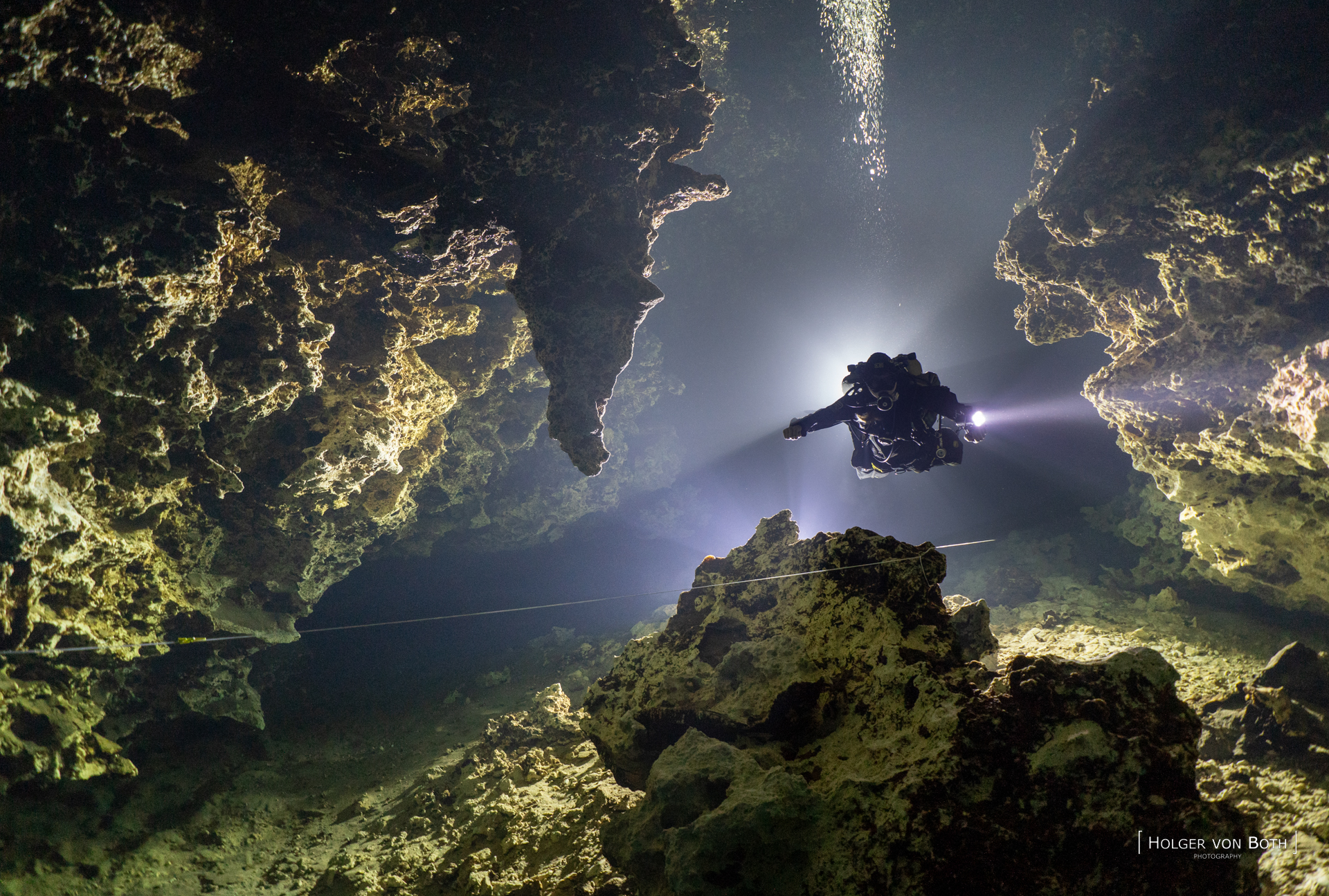
The freshwater section of tunnel A has a more brownish color.
Cenote Tortuga (Tulum)
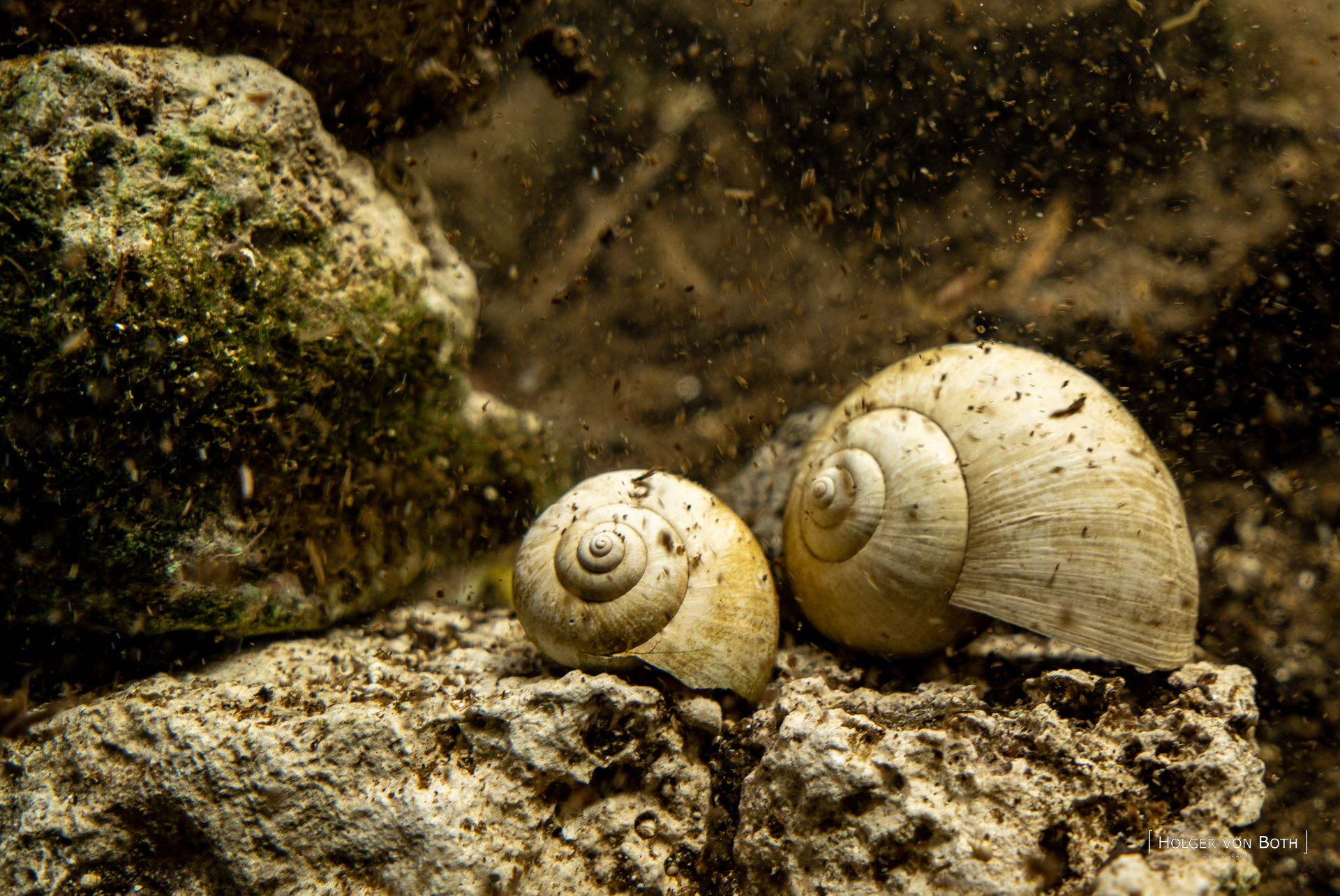
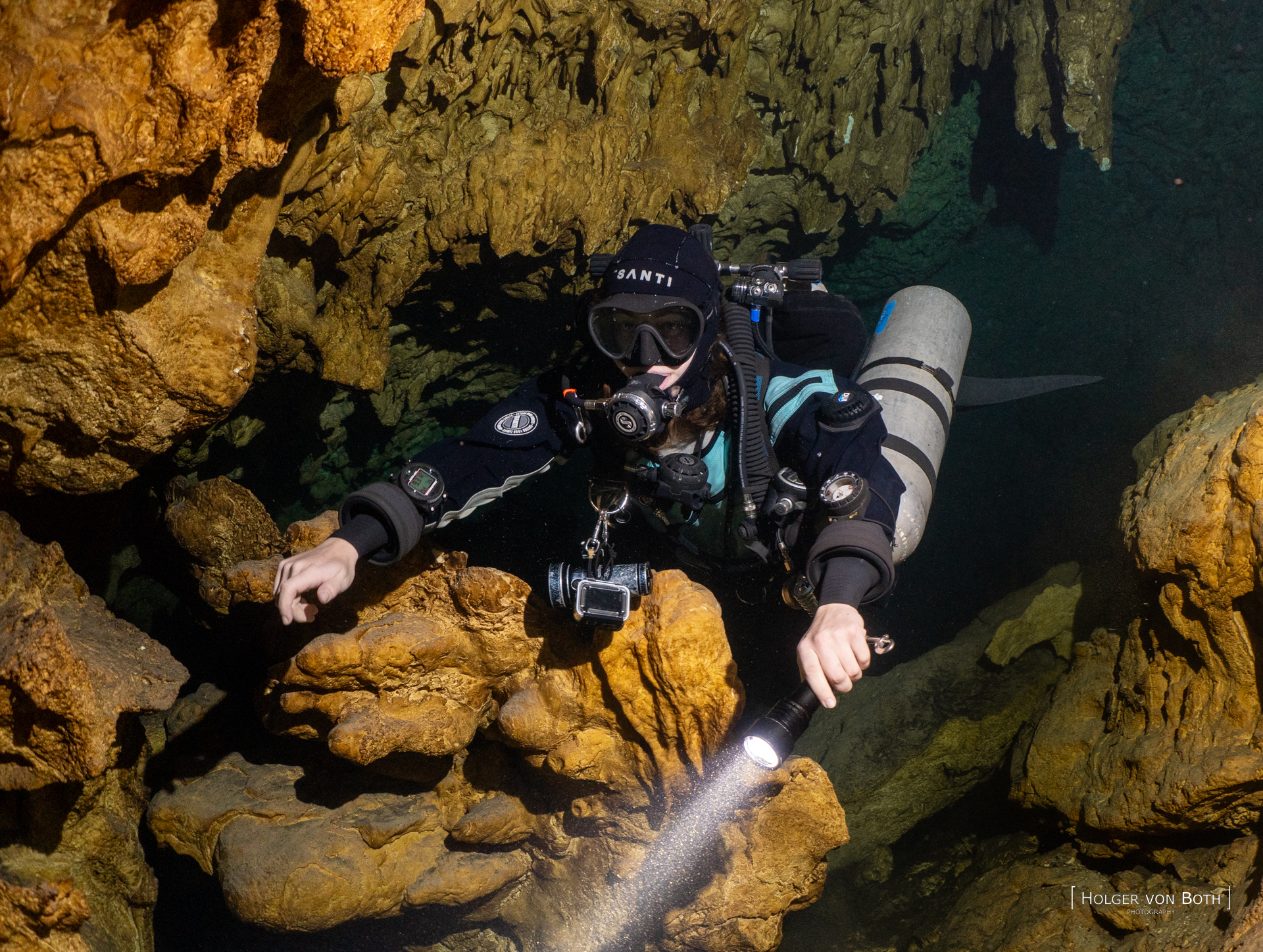
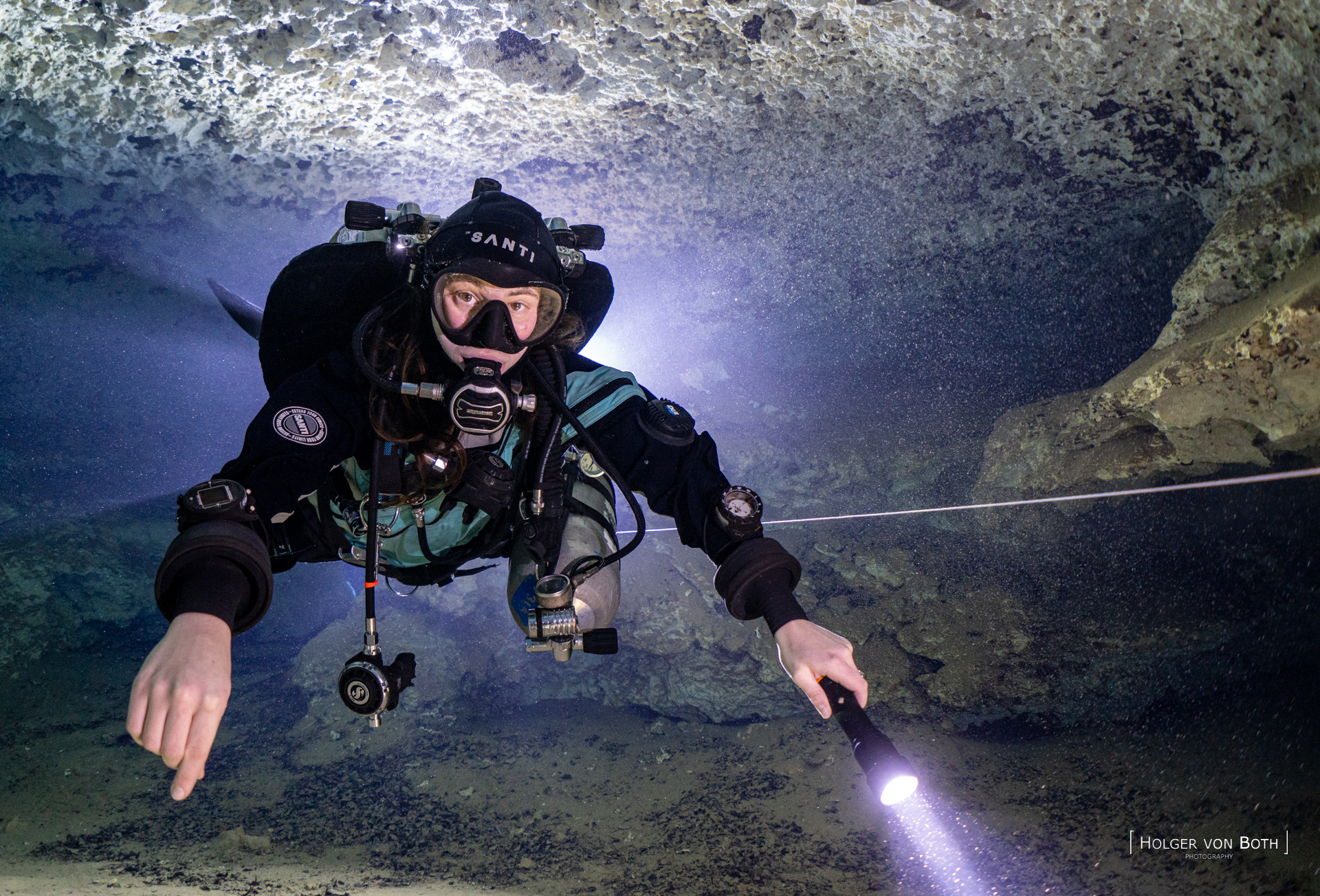
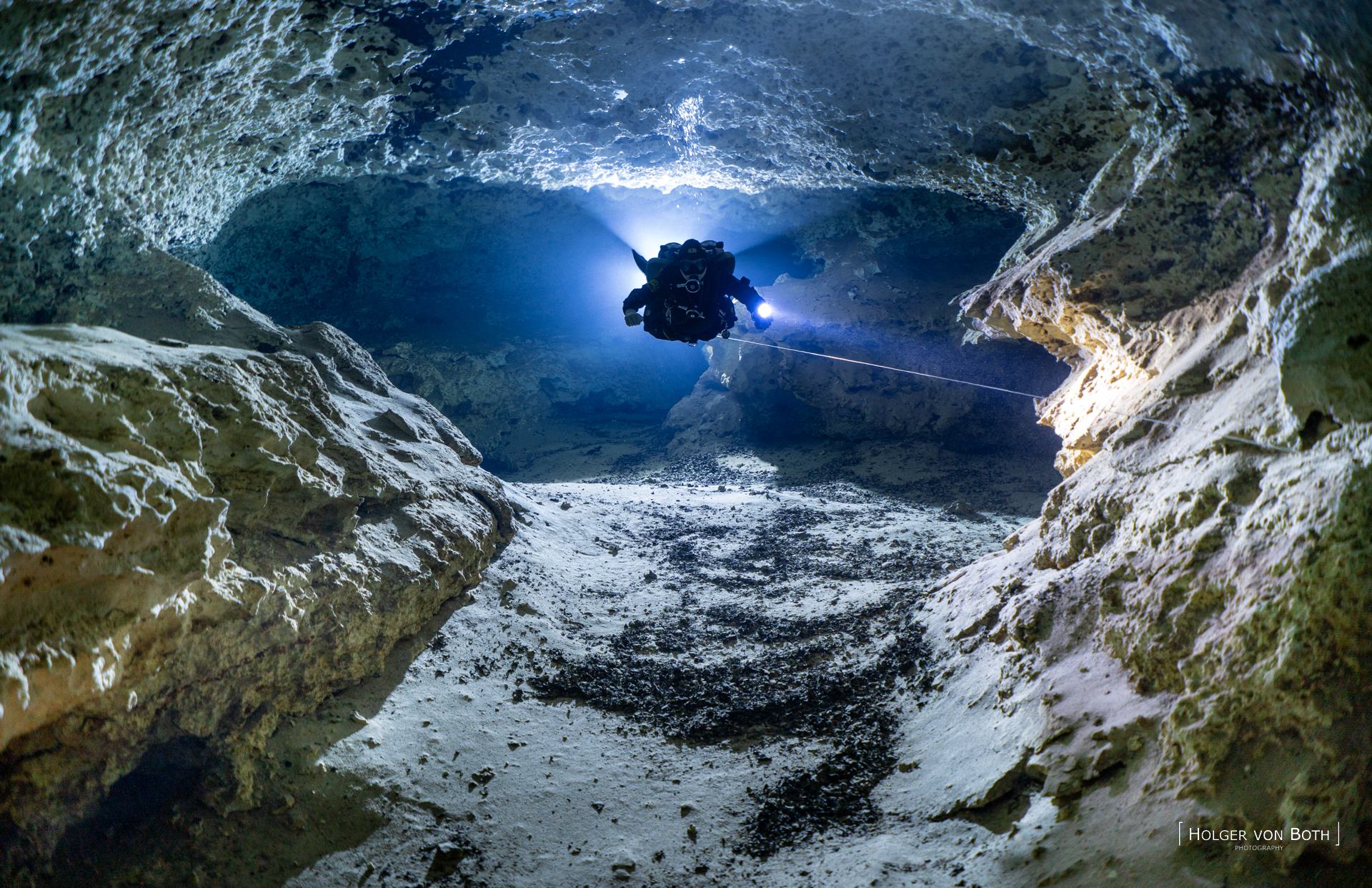
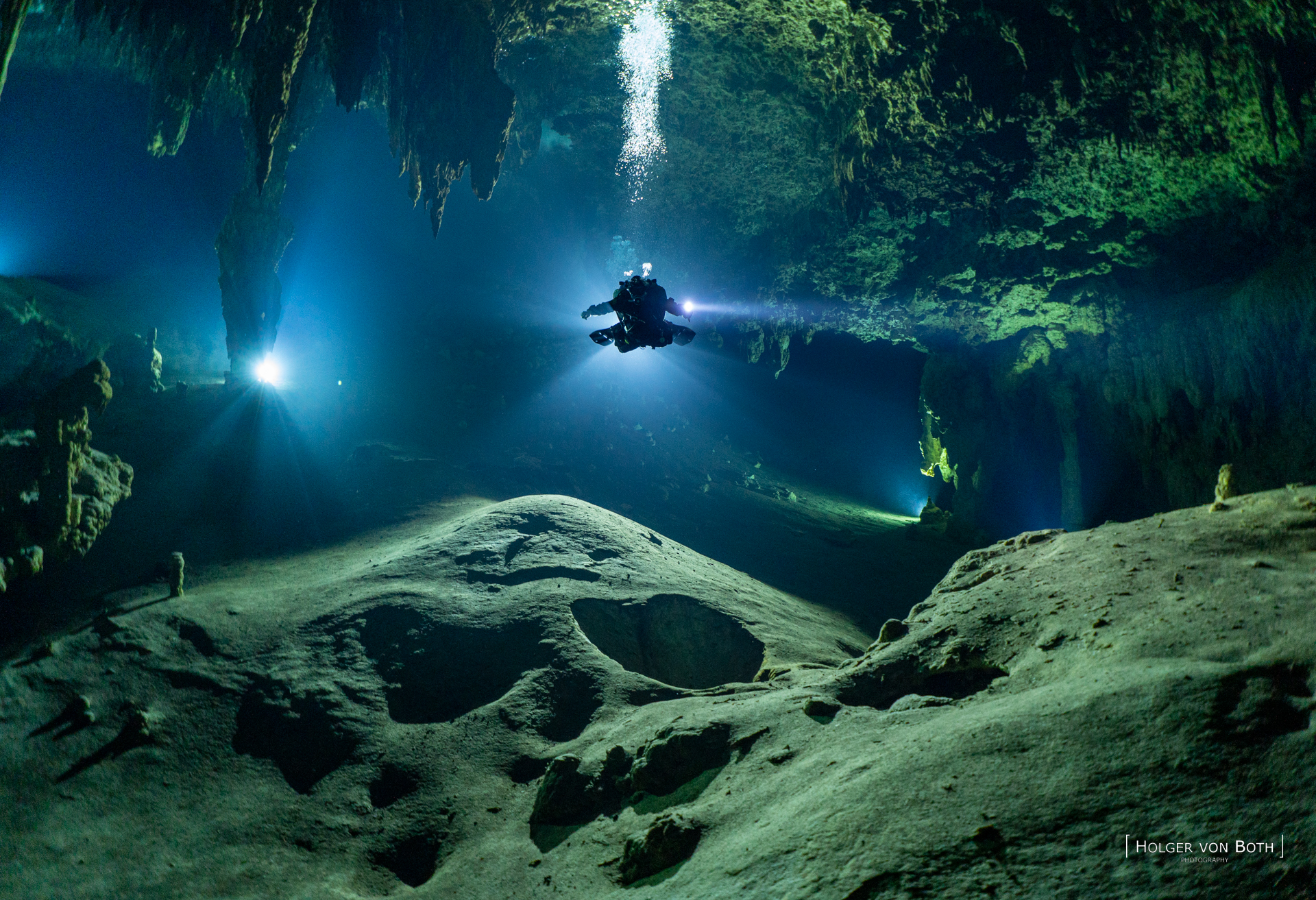
Cenote Tortuga is located west of Tulum and is named after the tortoise shell formation found in the saltwater zone. The freshwater section is highly colorful, with tones ranging from yellow to orange and green.
Beyond the halocline, the system transforms into a deep blue environment with white limestone walls. At approximately 4 meters depth in the open cave area, bones can be observed near the guideline, along with small cleaning fish that interact with divers.
Cenote Nai-tucha (Tulum)
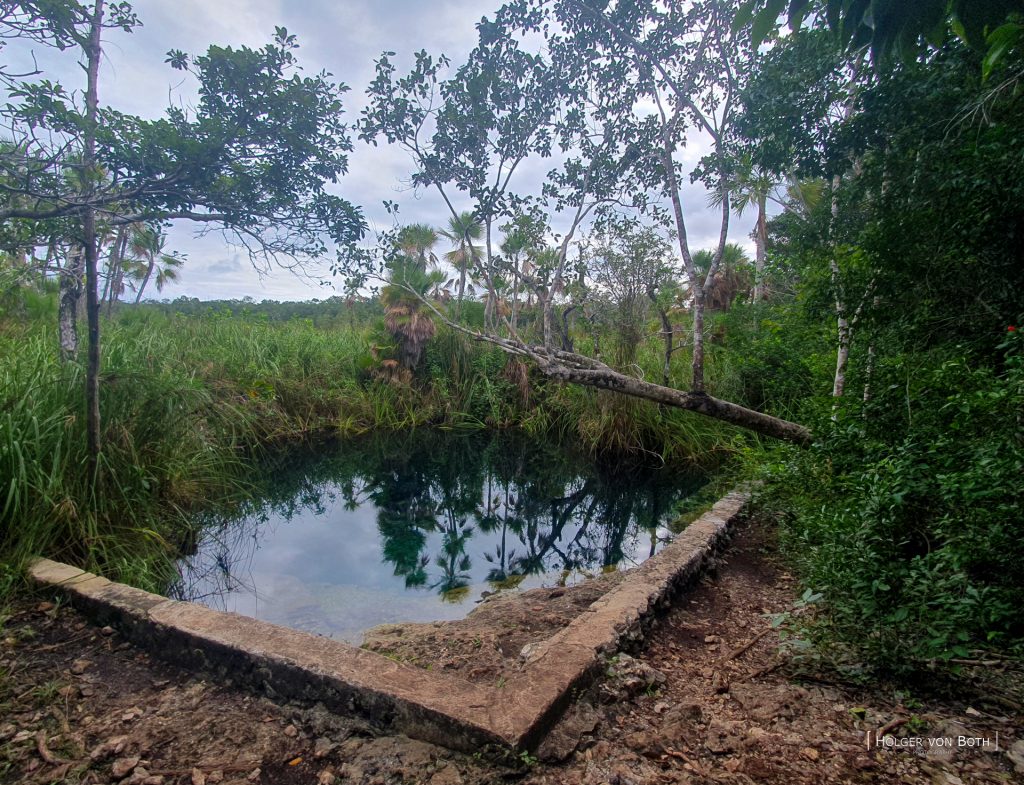
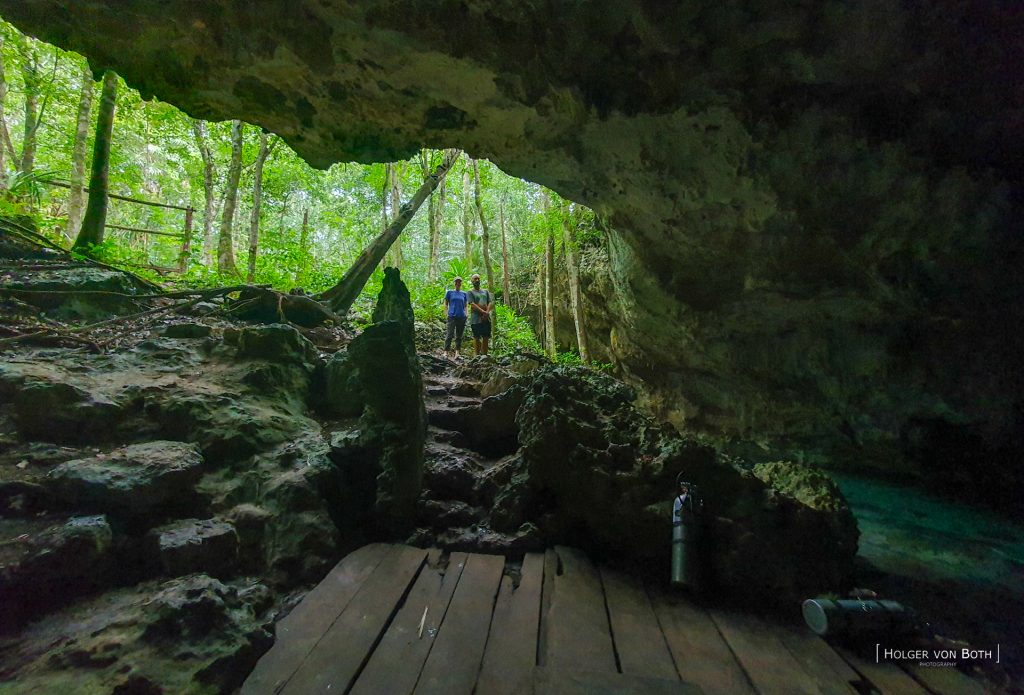
Cenote Nai-tucha is located in a more secluded jungle area. Access requires a 4×4 vehicle due to rough road conditions. The short path to the entrance is well maintained and leads directly into the cave system.
The environment is remote, quiet, and strongly influenced by jungle surroundings.
Cenote Dos Palmas (Tulum region)
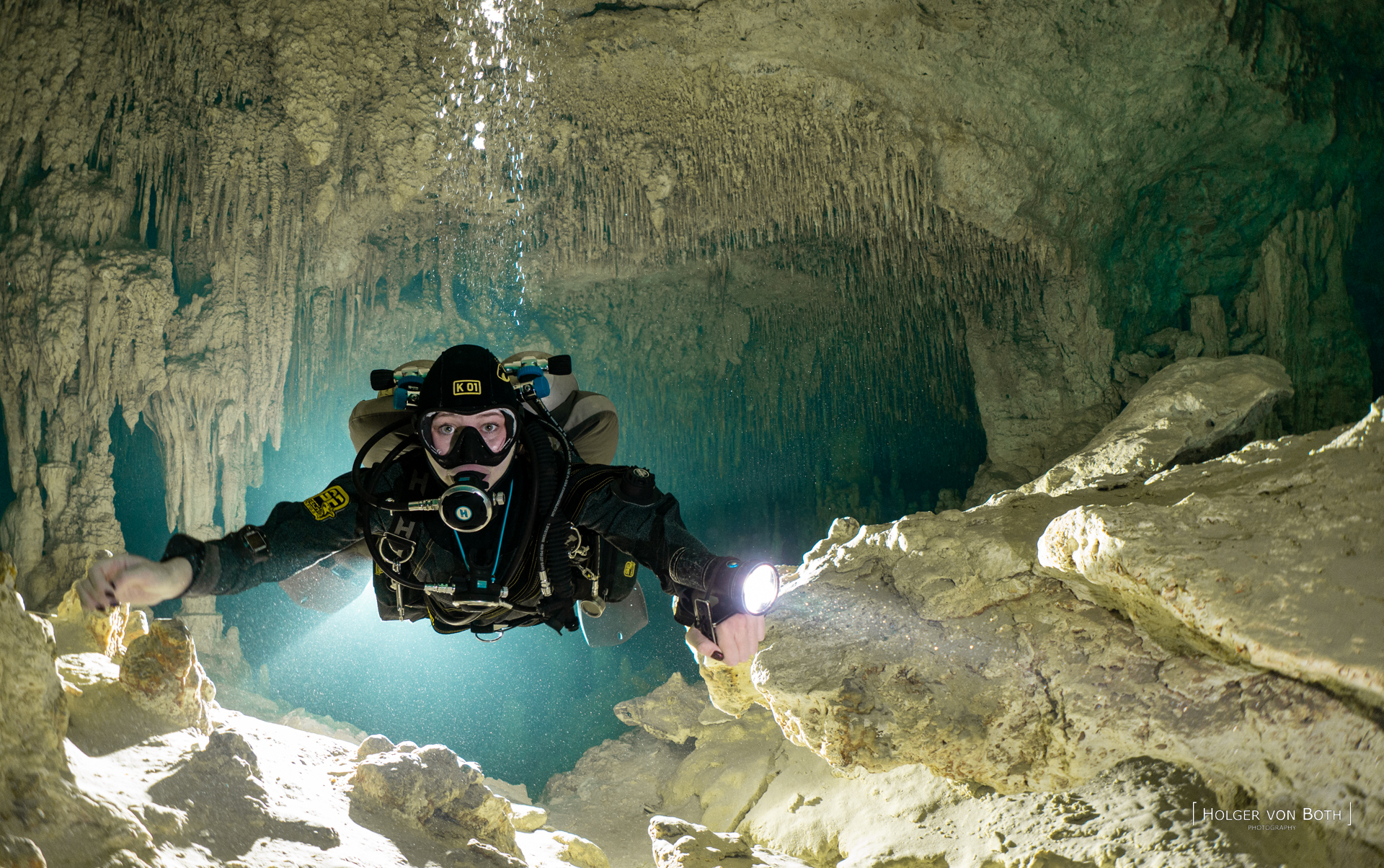
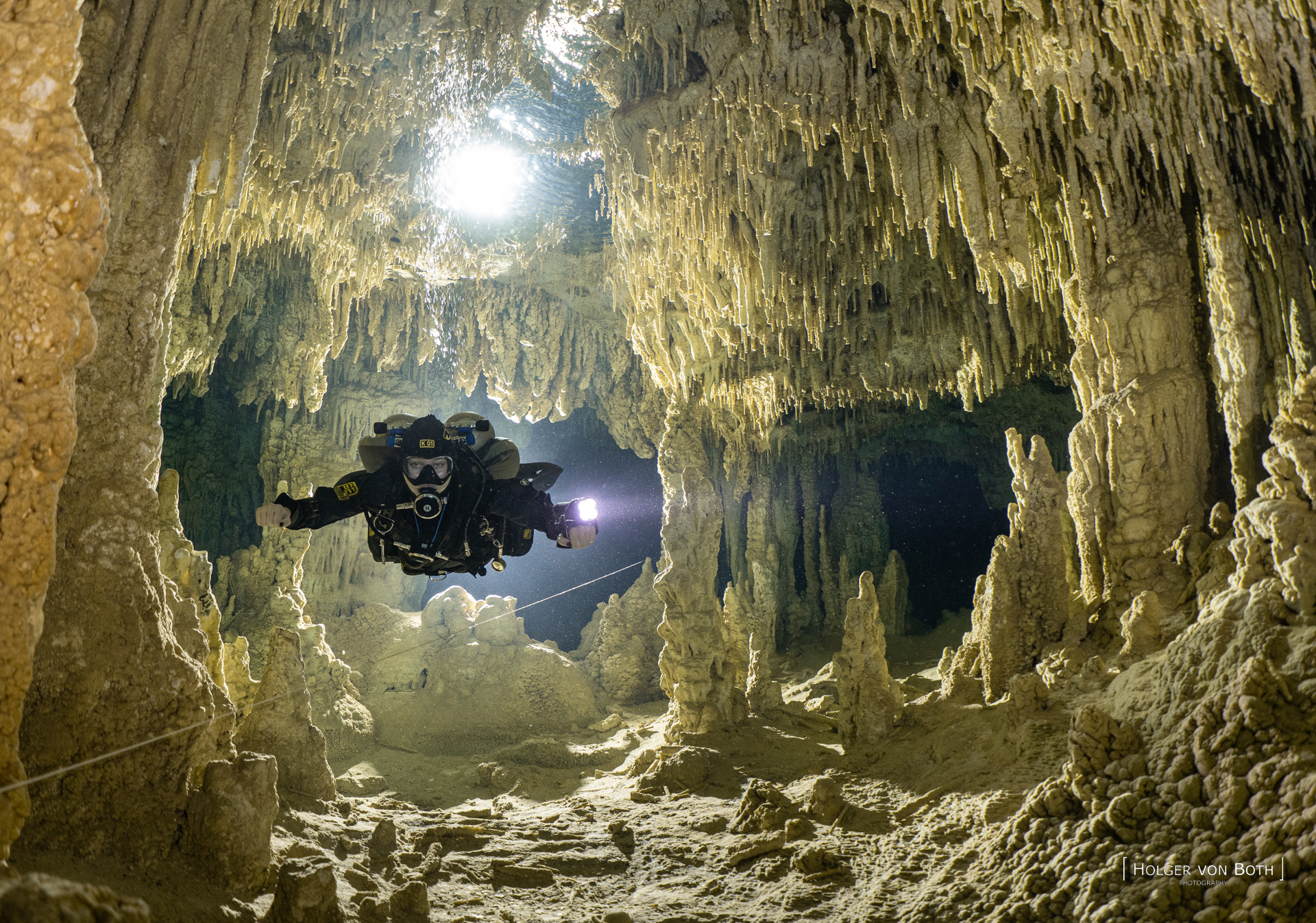
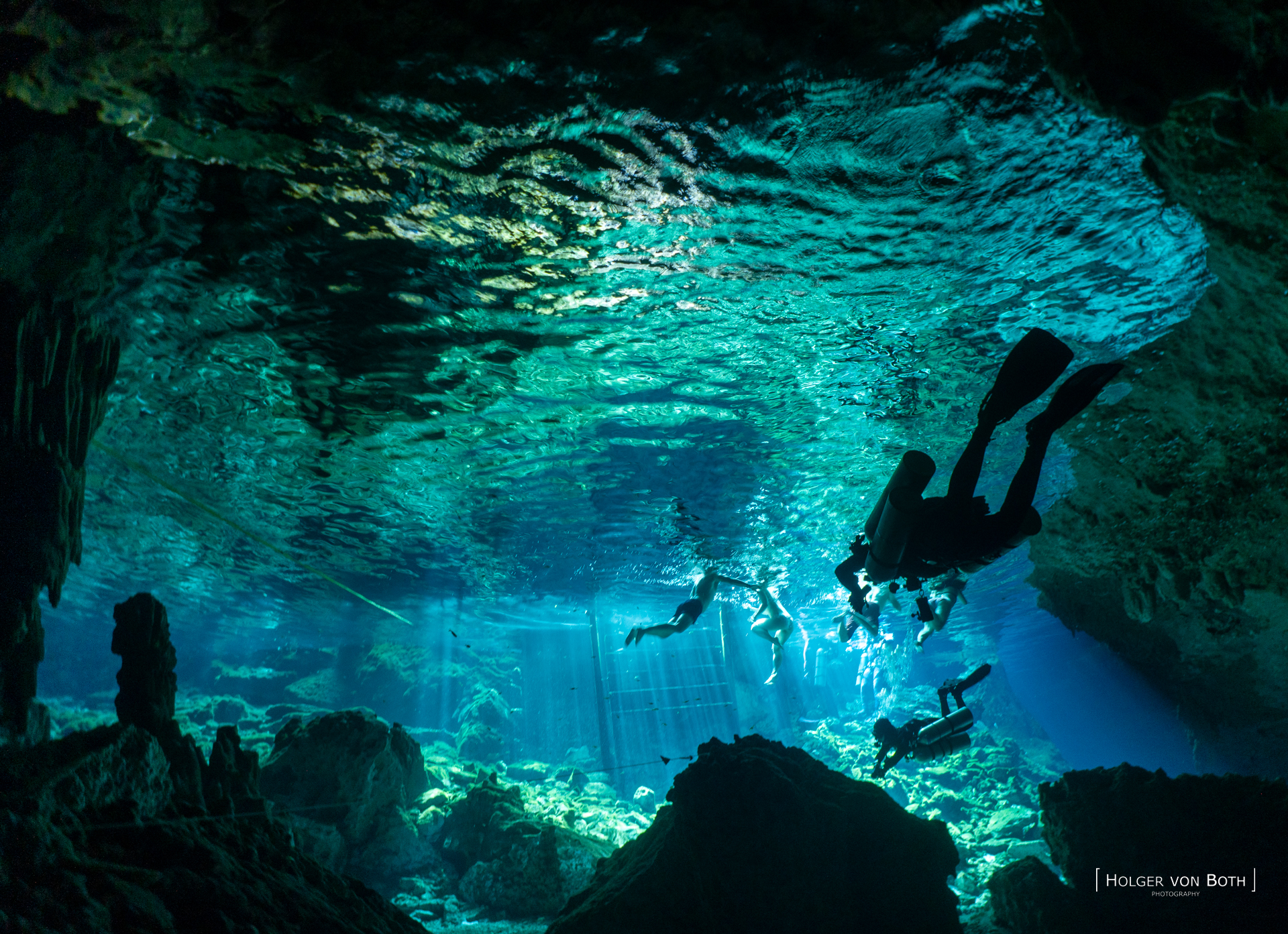
Cenote Dos Palmas is a popular site for both tourism and diving. The system offers multiple navigation options along the main line, including upstream and downstream directions. A noticeable current adds dynamic conditions to the dive environment.
The cave is characterized by:
- structured tunnel passages
- multiple jump options
- active water movement
- accessible entry conditions
Cenote Sushi (Tulum djungle area)
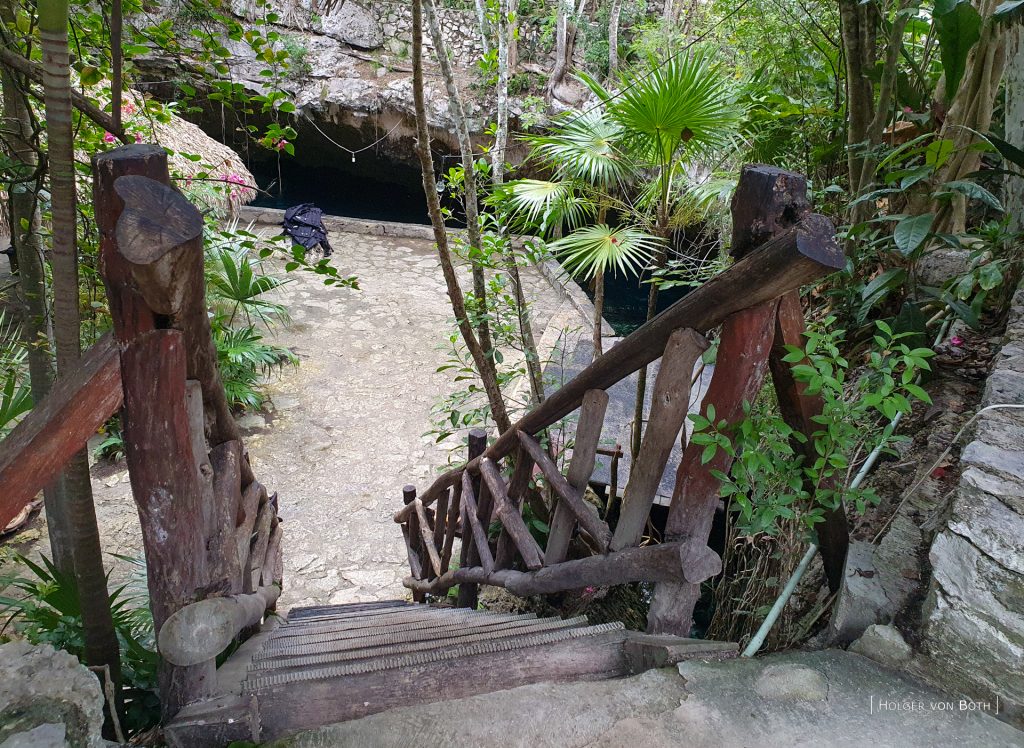
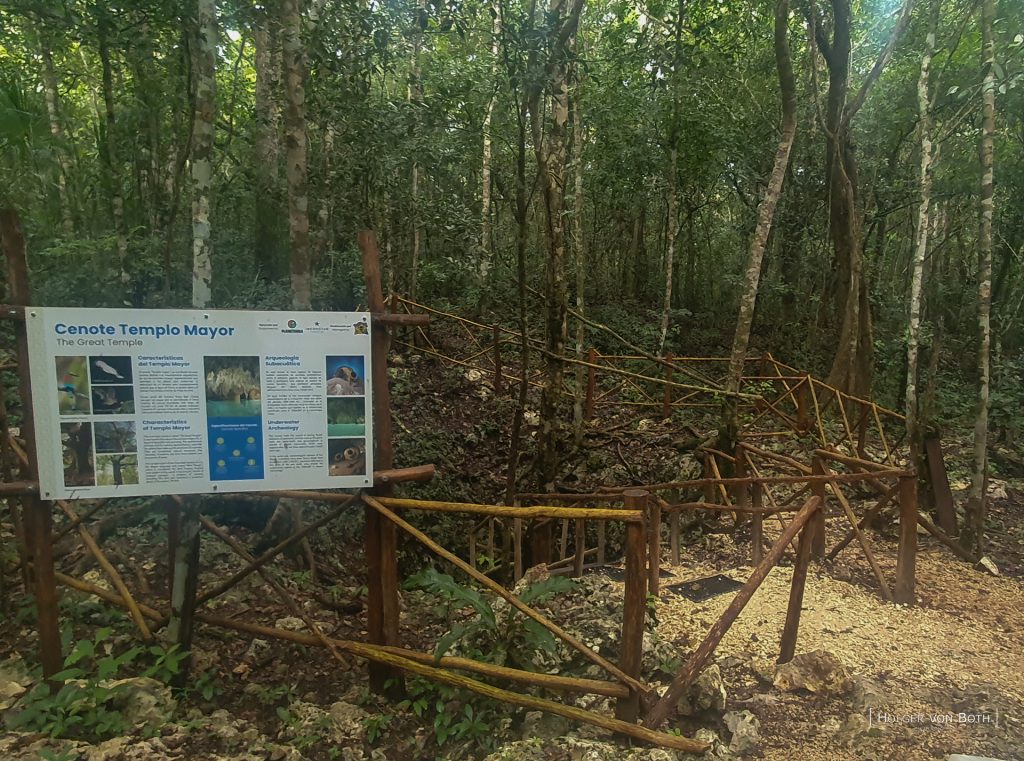
Cenote Sushi is located in a jungle environment and features modern infrastructure. Access is provided via a wooden spiral staircase leading down to the entrance. The system is embedded in a natural jungle setting and offers structured entry conditions for divers.

Diving experience in Mexico
Mexico offers some of the world’s most unique cave diving environments, particularly in the Yucatán Peninsula. Cenotes provide access to extensive underwater cave systems with striking geological formations.
The country is defined by warm water conditions and exceptionally clear visibility in many systems.
Mexico is particularly known for:
- cenote cave systems
- stalactite and stalagmite formations
- warm water conditions
- high visibility
- extensive cave networks
Plan your diving experience in Mexico
Cave diving in Mexico requires advanced training, careful gas planning and strict adherence to cave diving protocols. Many systems are extensive and require strong navigation discipline and proper configuration.
Other Underwater Environments
If you are interested in exploring more underwater environments, you can also view galleries from:
Madagascar, Hungary, France, Italy, Switzerland, and Germany.