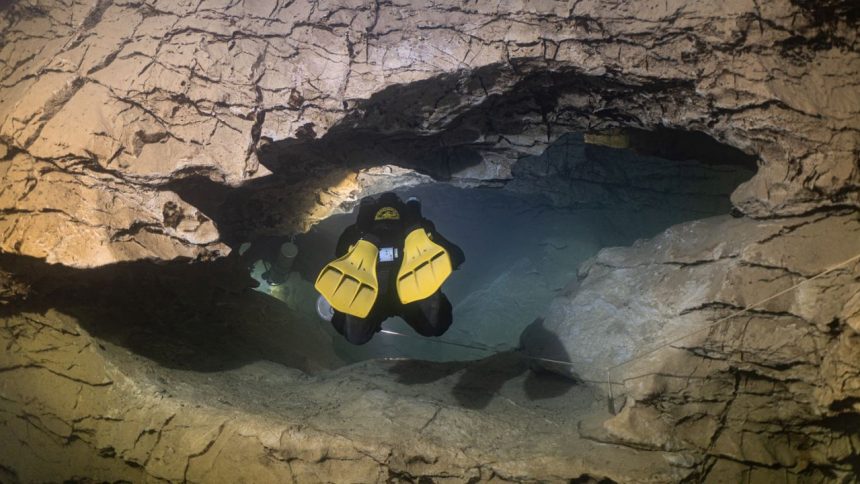
Hungary offers two highly distinct underwater environments beneath the city of Budapest, both of which are unique diving locations in Central Europe. Below the urban surface lie two very different systems: the Molnár János thermal karst cave and the Kőbánya limestone mine.While both are located within the city area, they differ fundamentally in temperature, geology, structure, and diving conditions – representing two completely separate underwater worlds.
Underwater environments in Budapest
Budapest is built on an active thermal karst system, which creates unique underground water structures directly beneath the city.
As a result, two major diving environments have developed:
- a warm-water thermal cave system
- a cold-water flooded limestone mine complex
Together, they form one of the most unusual inland diving environments in Europe.
Molnár János Cave System (Budapest)
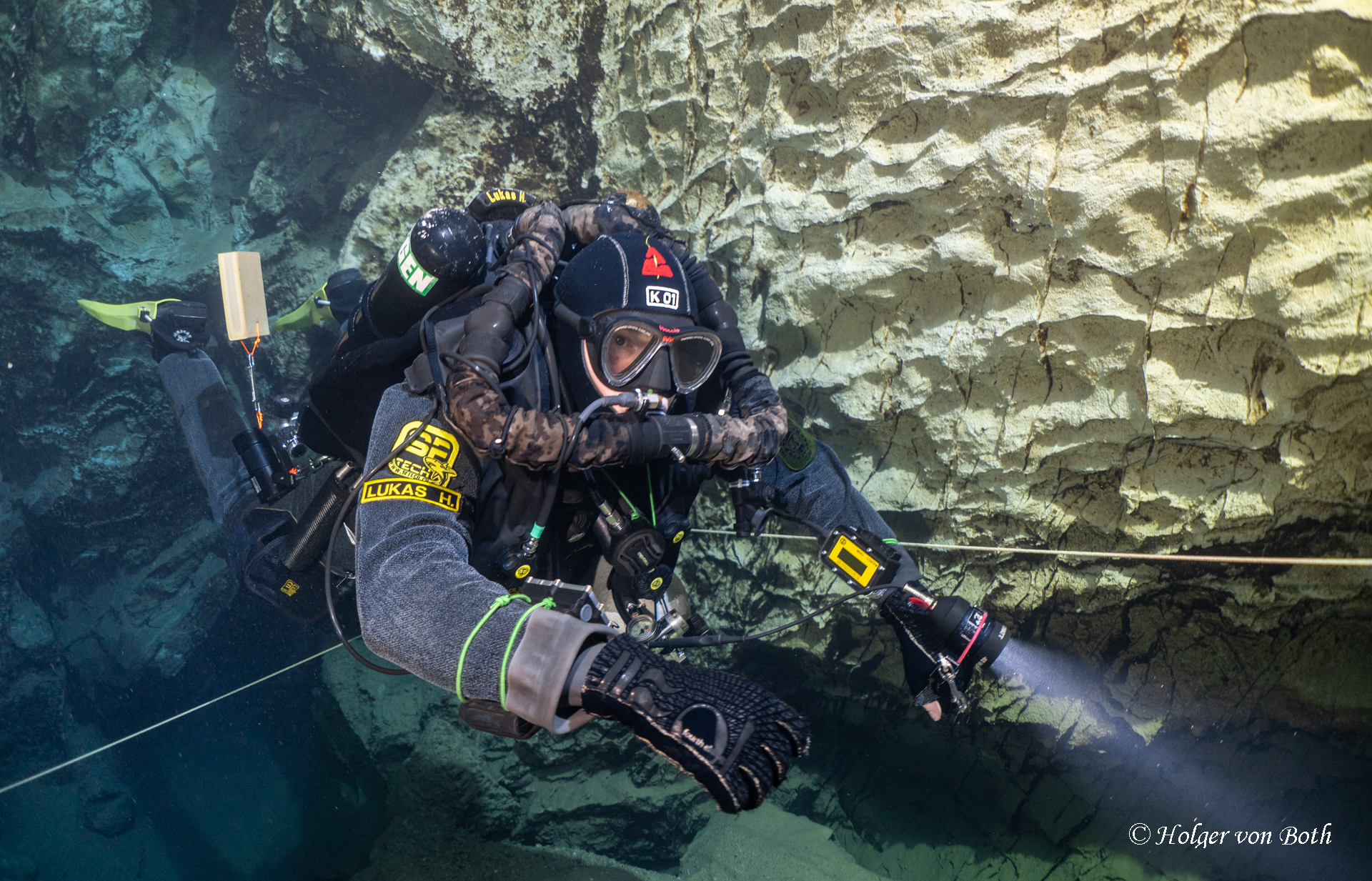
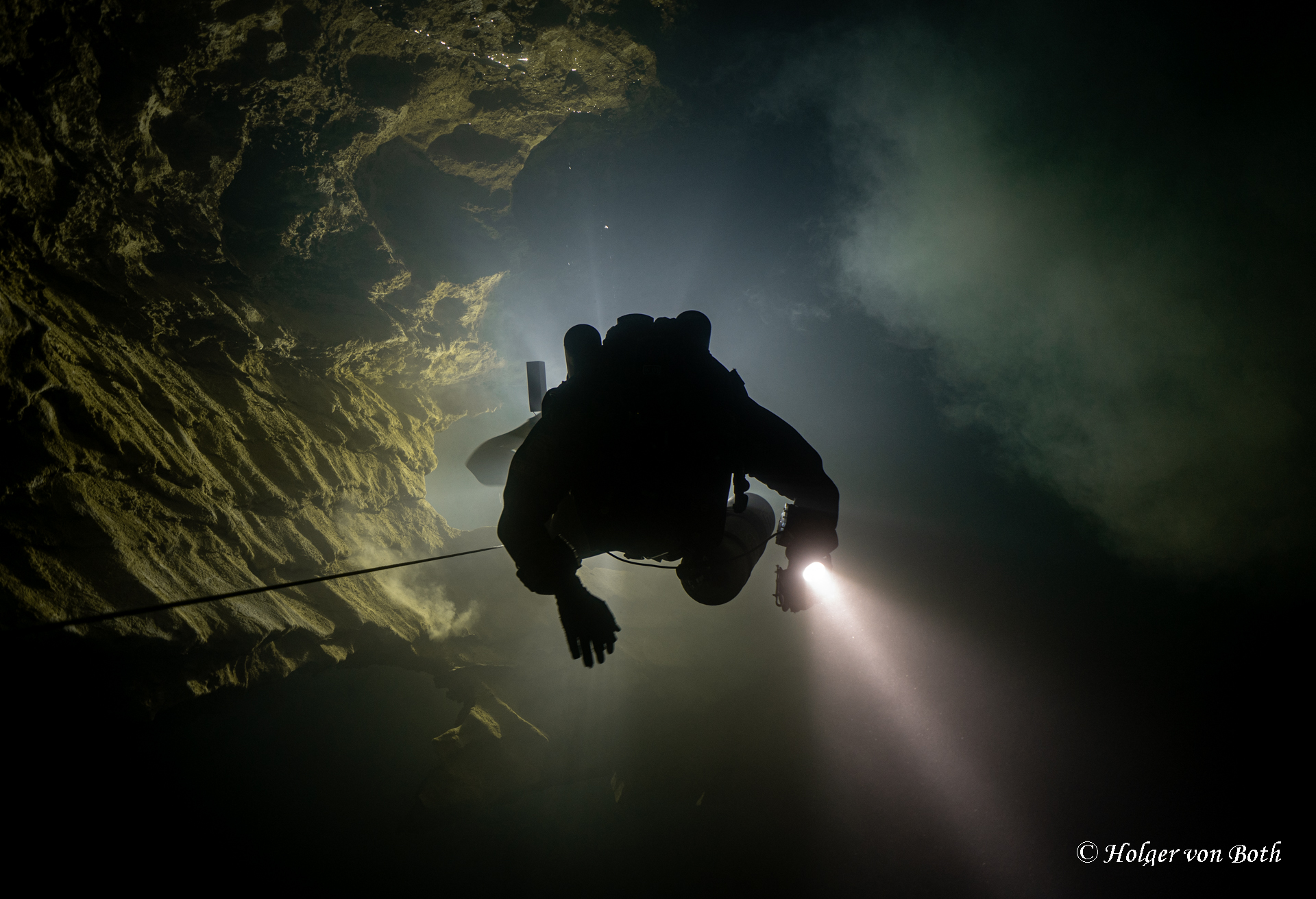
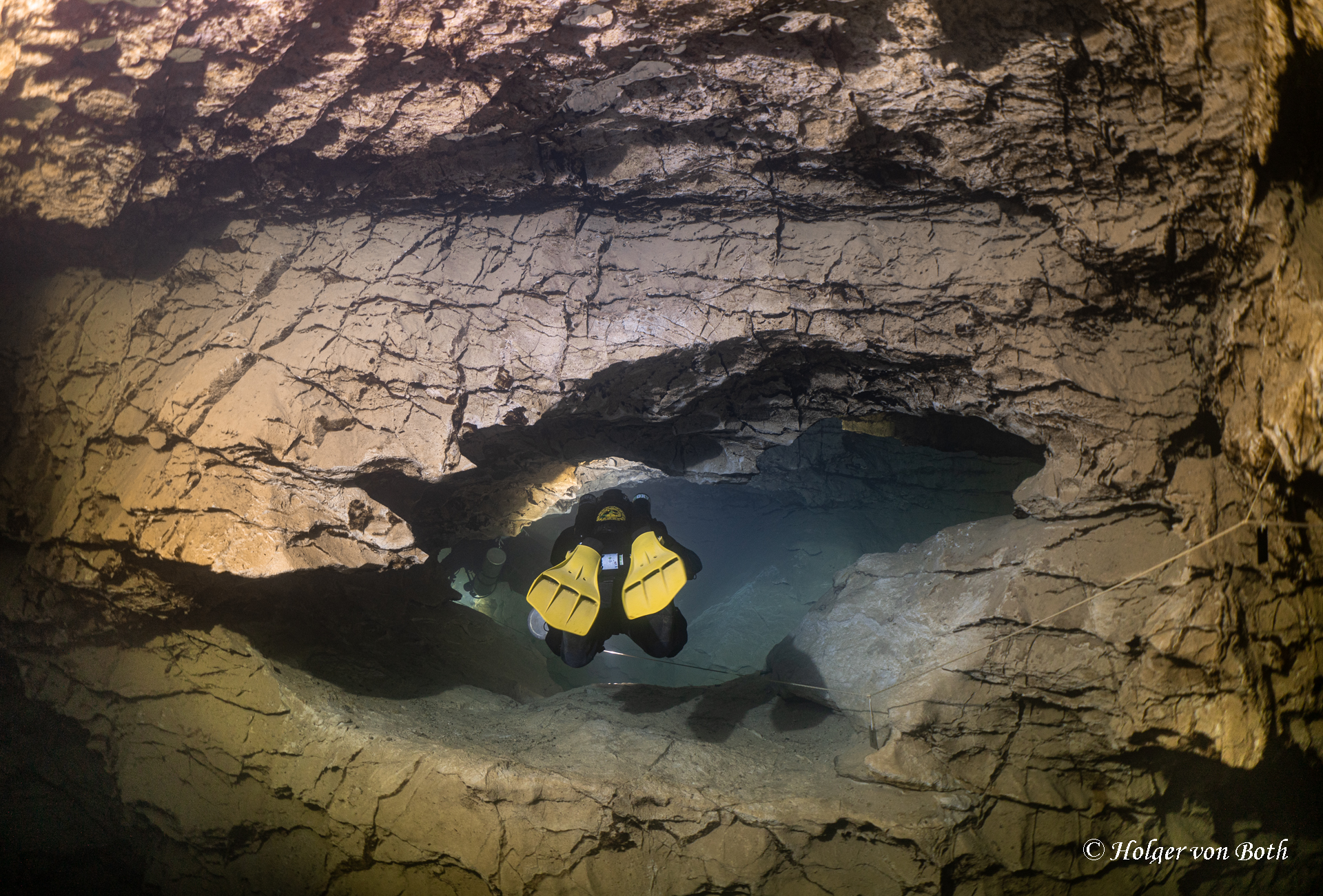
The Molnár János cave system is located directly beneath the city center of Budapest and is part of a large thermal karst system connected to the city’s famous hot springs.
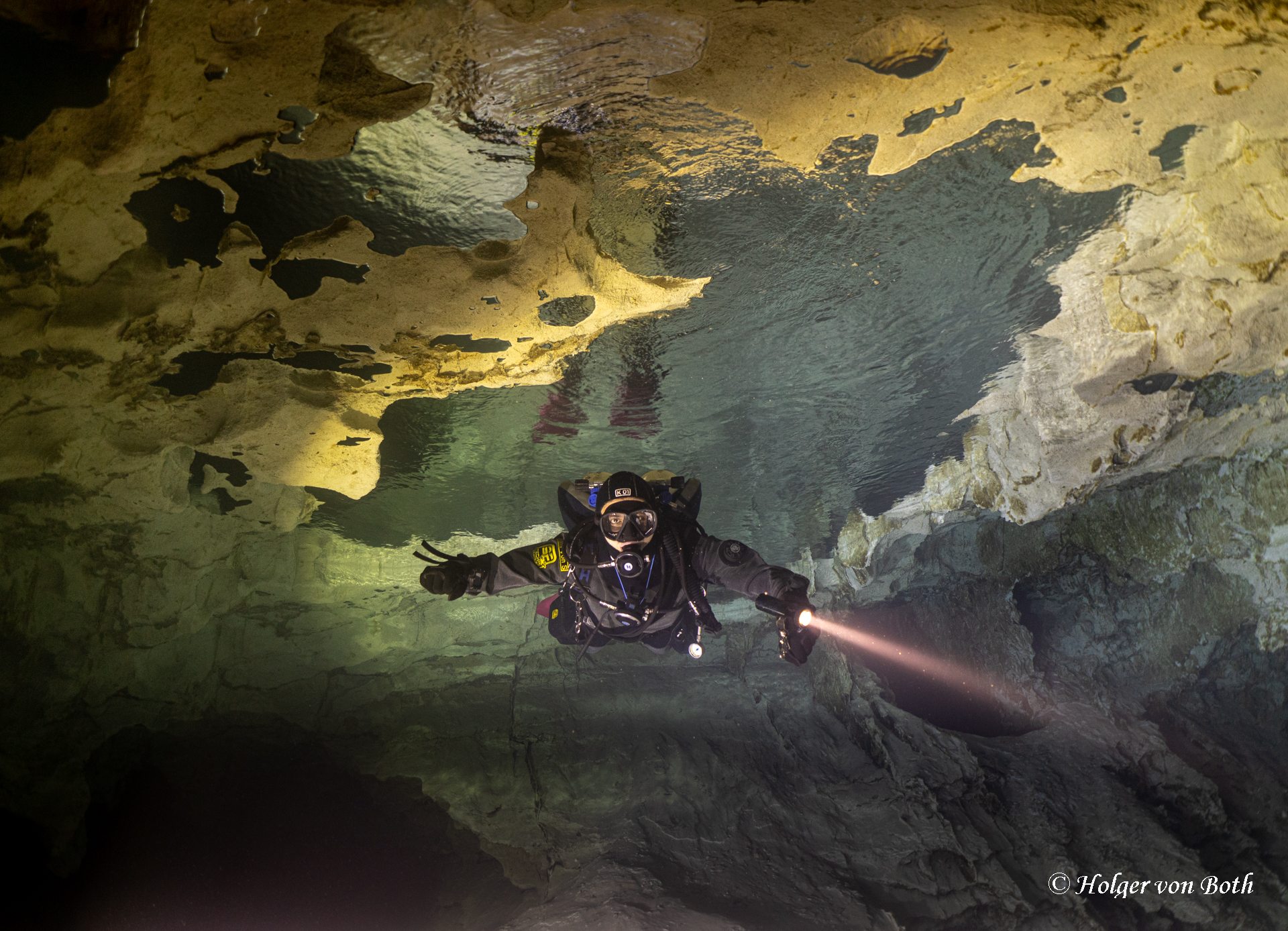
The surrounding surface environment is known for its historical thermal baths, but below ground lies an extensive cave system filled with warm thermal water at approximately 28°C and very high visibility conditions.
Exploration of the system began in the 1950s, when the first divers started mapping accessible sections of the cave. By the 1980s, approximately 400 meters of passages had been documented. In 2002, a significant breakthrough occurred when explorers discovered a new connection leading into a much larger, previously unknown section of the system. Today, the explored length exceeds 8 kilometers, and exploration continues to expand new areas of the cave.
The system is characterized by:
- warm thermal water at approximately 28°C
- high clarity and stable diving conditions
- complex karst limestone formations
- ongoing exploration activity and mapping
Molnár János represents a rare combination of accessible cave diving within a major European capital and an active exploration environment still being developed today.
Kőbánya Limestone Mine (Budapest)
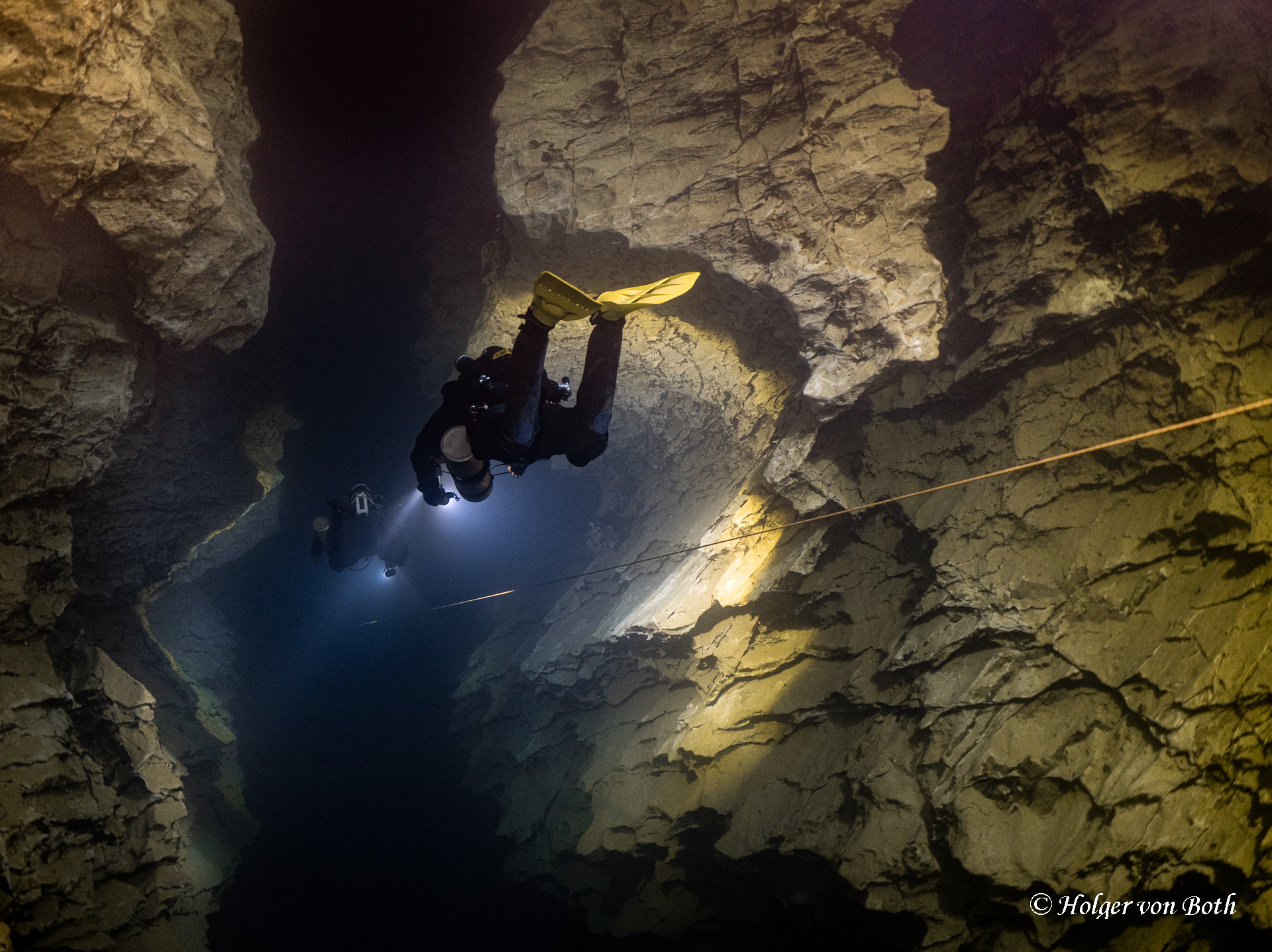
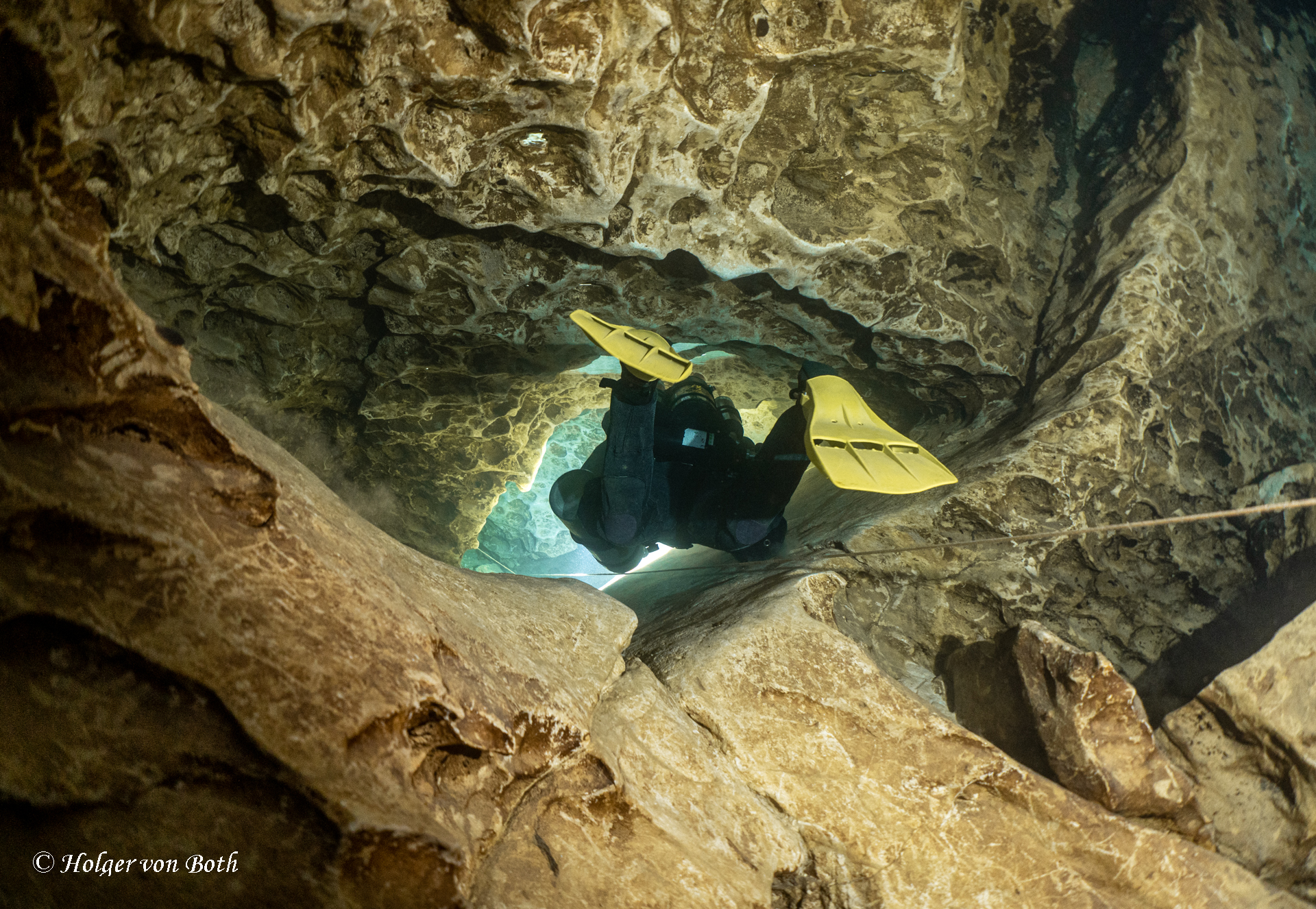
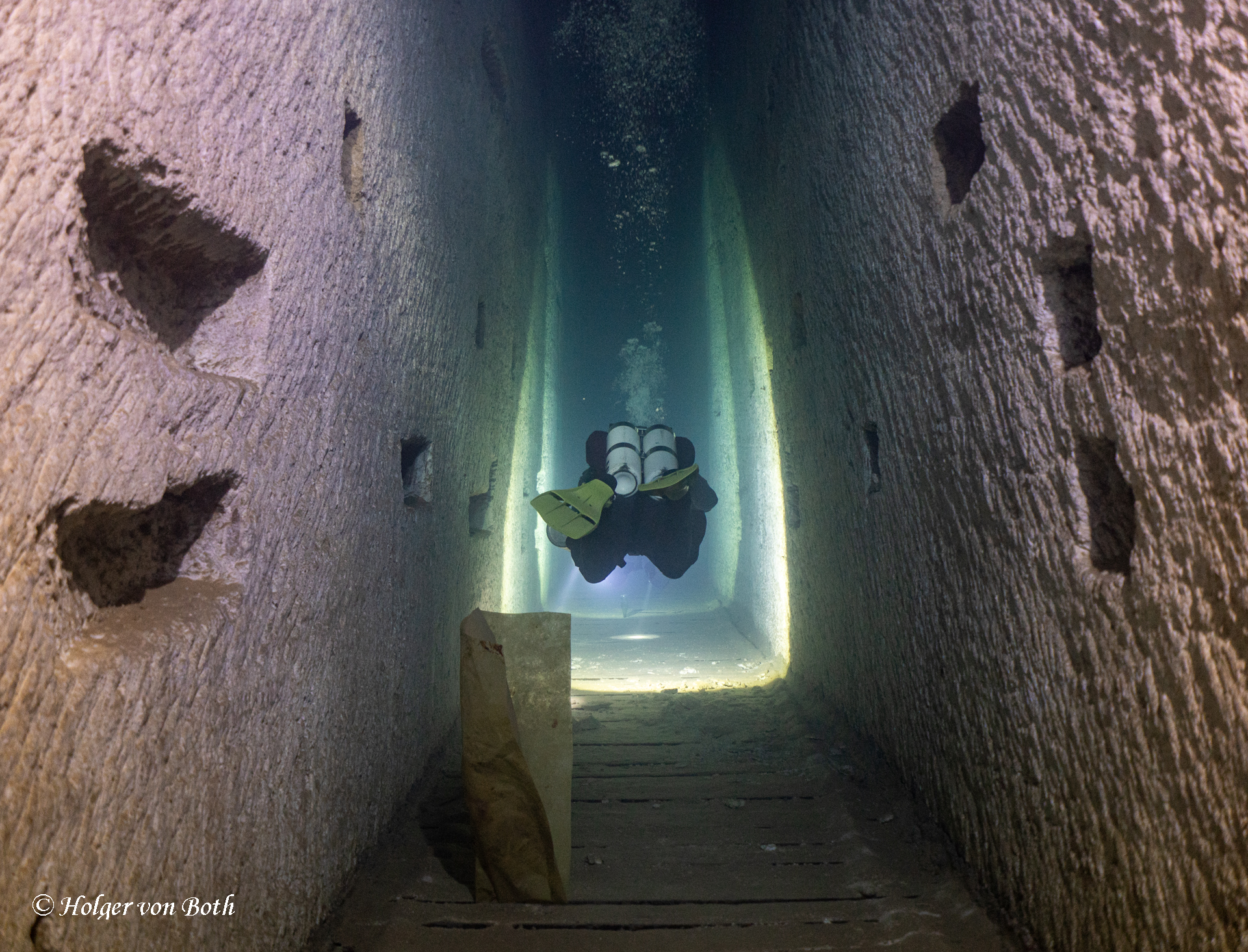
The Kőbánya limestone mine is located in the eastern part of Budapest and forms an extensive underground system of tunnels, halls, and industrial chambers.
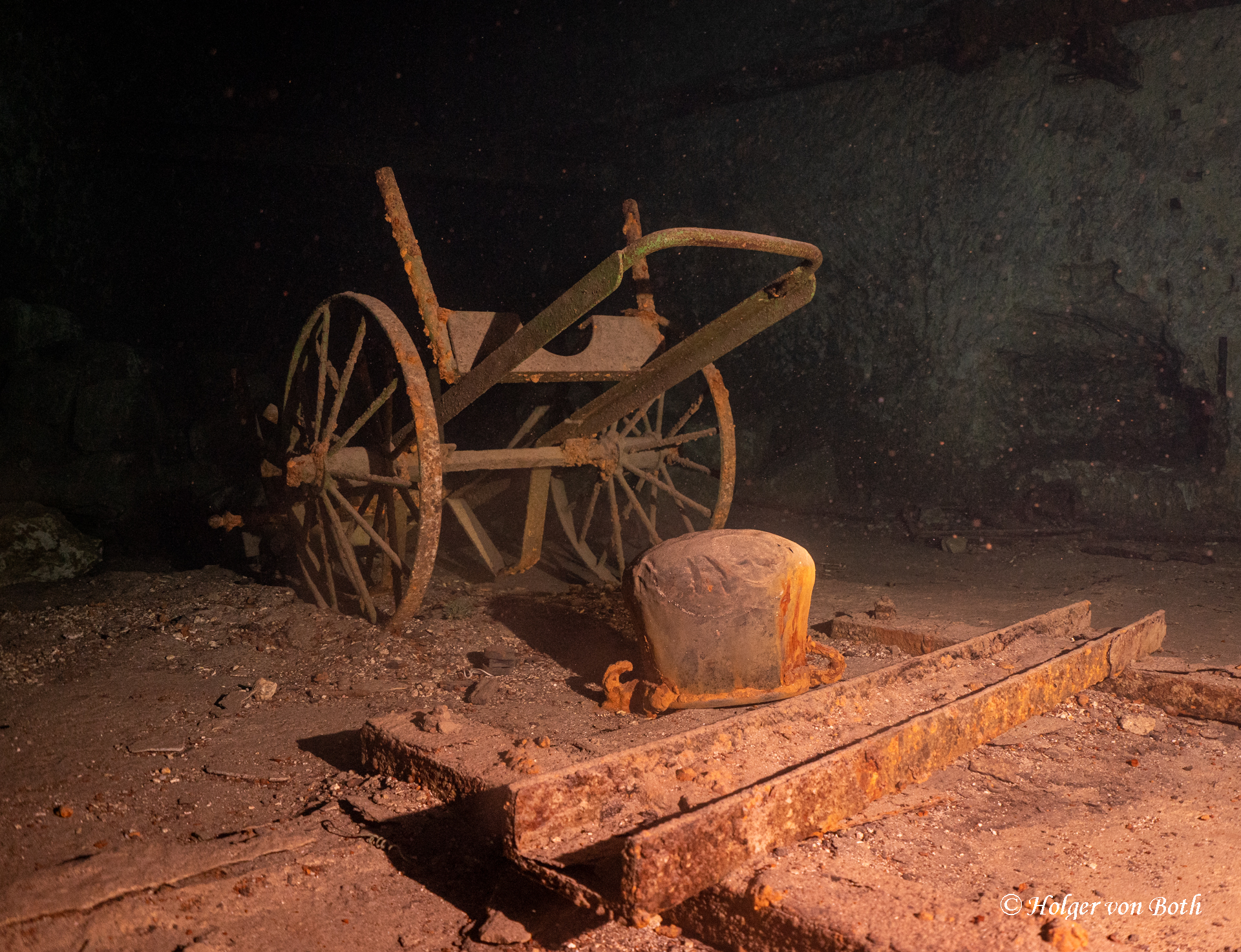
Historically, the mine provided limestone used in the construction of many buildings across the city. Over time, the system was repurposed multiple times. It served as storage space for wine production, was used by the Dreher brewery, and was also partially converted into a hidden aircraft engine factory during the Second World War.
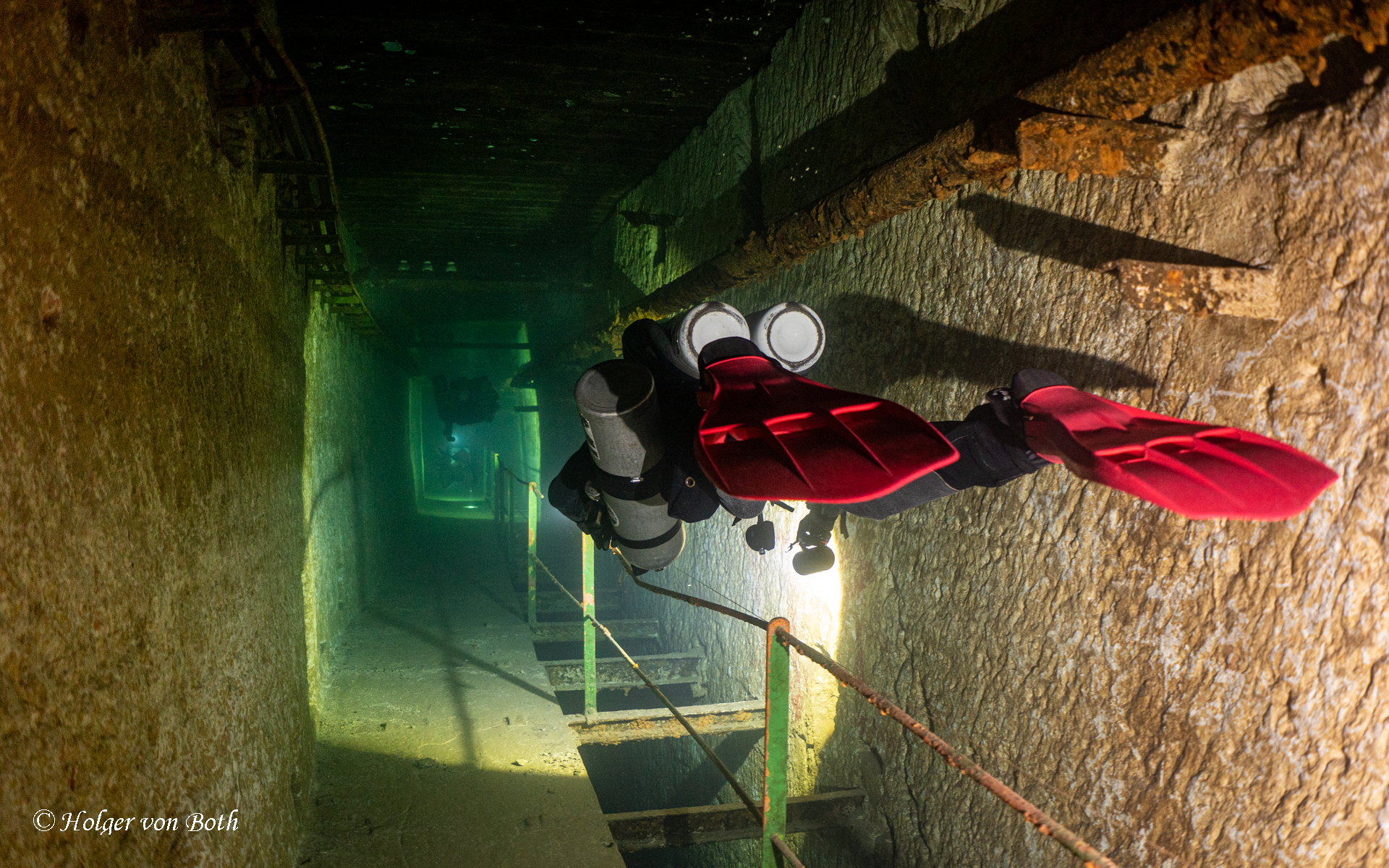
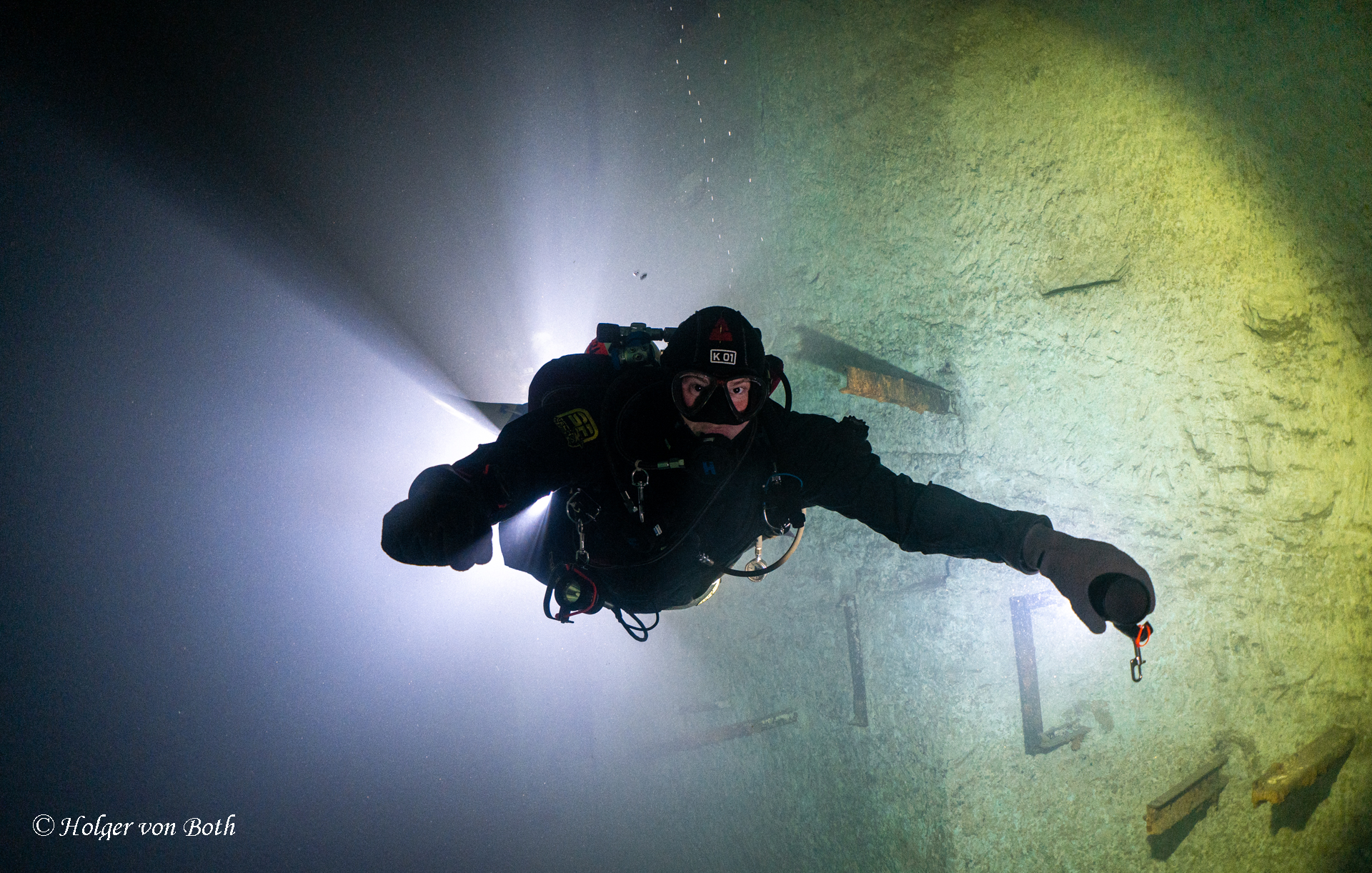
Today, parts of the deeper levels are flooded with cold, crystal-clear water, creating a highly unique diving environment. Unlike natural cave systems, Kőbánya is not a classical mine dive but rather a structured industrial underground environment.
Divers experience a network of:
- large halls and rooms
- long corridors and passageways
- staircases and structural remains
- industrial installations and mechanical elements
The visibility is typically very high, and the water remains cold and stable throughout the year. This combination of industrial architecture and submerged structures makes Kőbánya one of the most distinctive confined-space diving environments in Europe.

Diving experience in Hungary
Hungary is home to unique thermal cave systems and freshwater diving environments, particularly around Budapest. These environments combine warm water conditions with complex subterranean formations.
The country is especially known for its thermal karst caves and controlled cave diving environments.
Hungary is characterized by:
- thermal water conditions
- cave systems
- karst formations
- controlled dive environments
- limited natural light
Despite their proximity, the two systems differ fundamentally in temperature, structure, and geological origin, offering two completely separate diving experiences.
Plan your diving experience in Hungary
Cave diving in Hungary requires appropriate certification and adherence to strict site regulations. Many systems are controlled environments with defined access rules and safety procedures.
Other Underwater Environments
If you are interested in exploring more underwater environments, you can also view galleries from:
Madagascar, Mexico, France, Germany, Switzerland, and Italy.
Amazing Pictures!
Thank you very much for the compliment