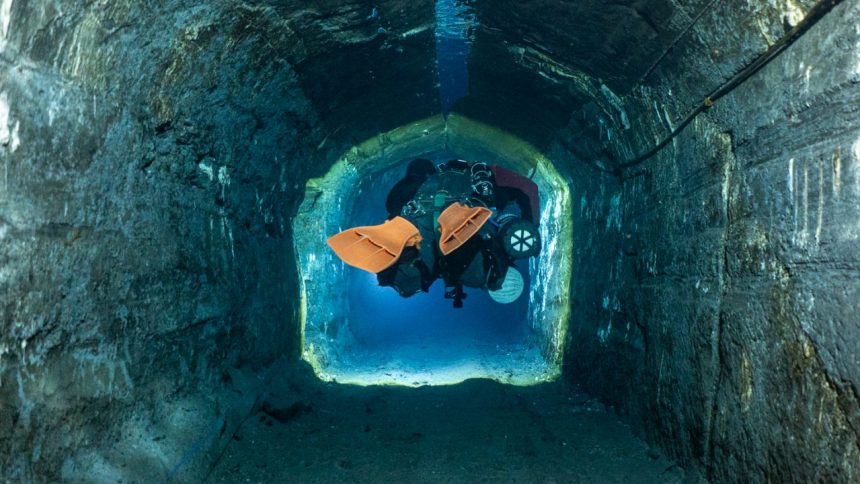
Germany offers a diverse range of underwater environments, from crystal-clear lakes and historic flooded slate mines to challenging cave diving systems hidden within karst mountain regions.
Several karst areas across the country provide unique cave diving opportunities. These environments often require local permits, advanced training and careful preparation. Cold water, restricted passages and changing visibility create demanding but highly rewarding technical dives.
Germany also has a long mining history, resulting in numerous flooded mines that have become fascinating underwater exploration sites. Especially the Sauerland region in central Germany is well known for technical mine diving. The historic black slate mines Felicitas, Christine, and Nuttlar are among the country’s best-known mine diving locations.
Divers can explore vast underground chambers, narrow tunnels and authentic remains from the mining era, creating a unique combination of history and underwater exploration. Some sites offer excellent diving infrastructure and controlled access to protect these remarkable environments.
Cold crystal-clear water, atmospheric lighting conditions and impressive underwater structures make Germany one of Europe’s most underrated destinations for lake, technical mine and cave diving.
Historic Mine Exploration
Germany’s historic flooded slate mines offer a unique combination of industrial history and technical underwater exploration. Vast underground chambers, preserved mining equipment and crystal-clear cold water create extraordinary environments rarely found elsewhere in Europe.
Slate Mine Felicitas
Slate mining at Felicitas began around 1850 and continued for more than 150 years until the early 2000s. Over time, industrialization transformed the mining methods and expanded the underground structures deep beneath the surface.
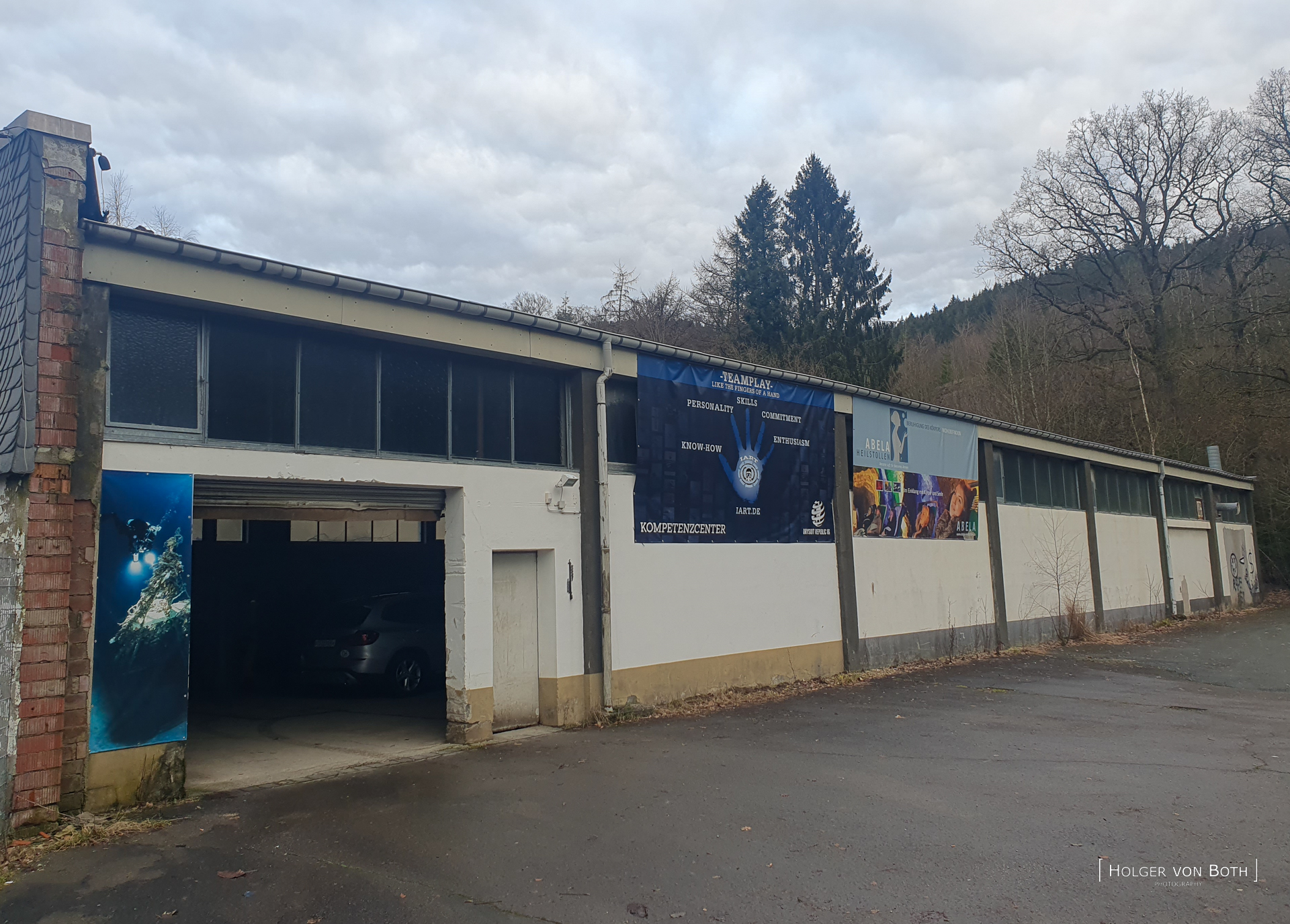
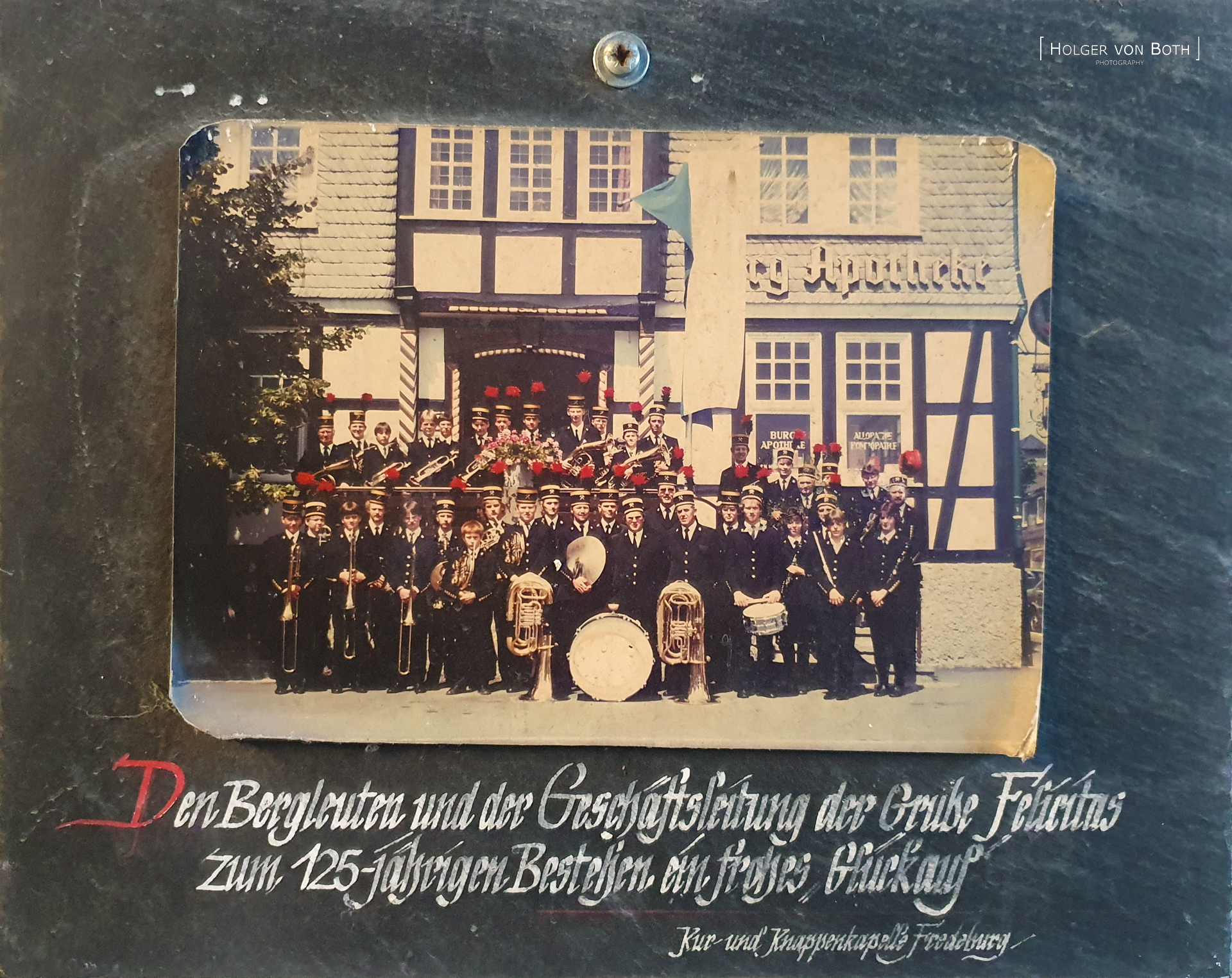
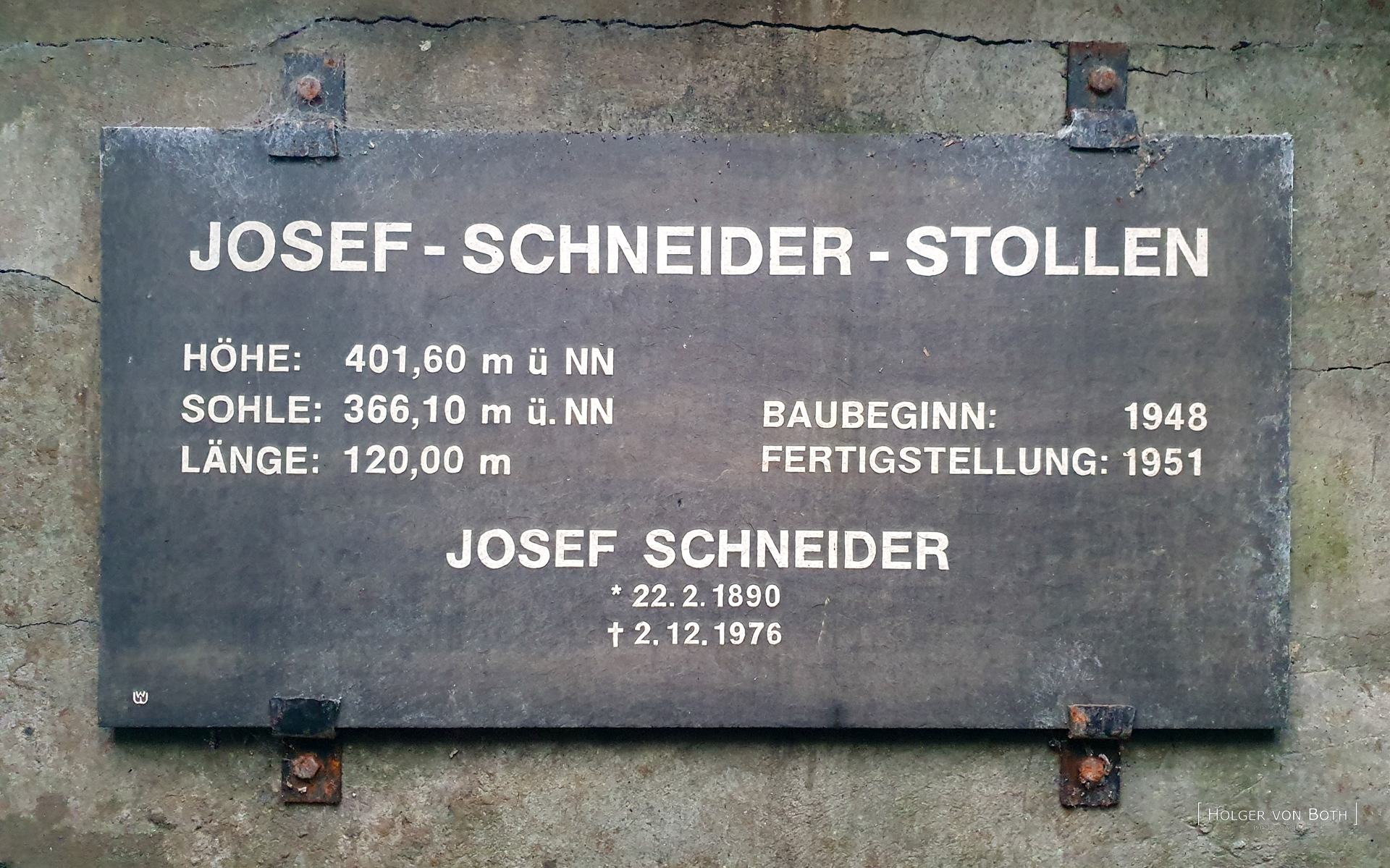
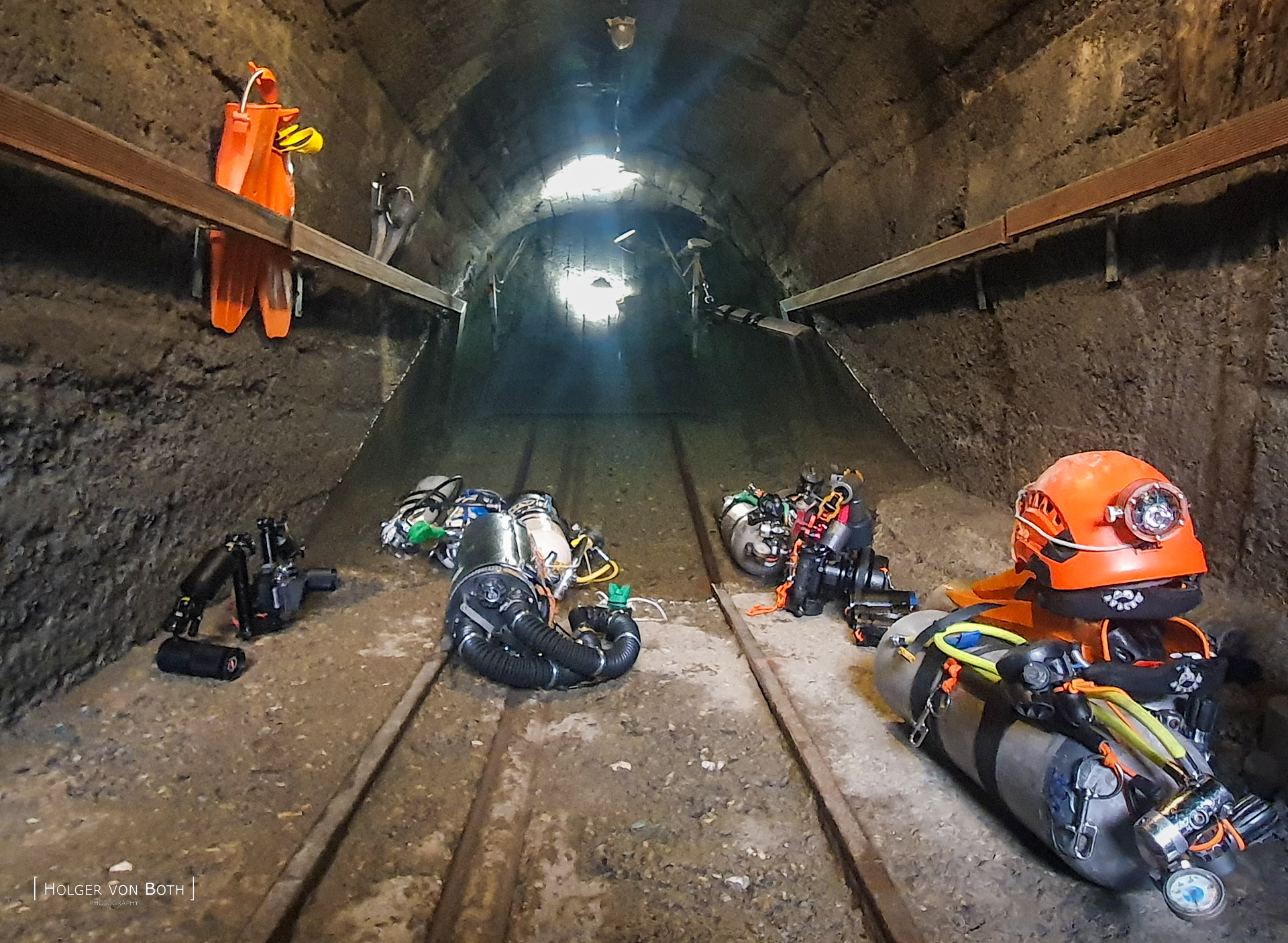
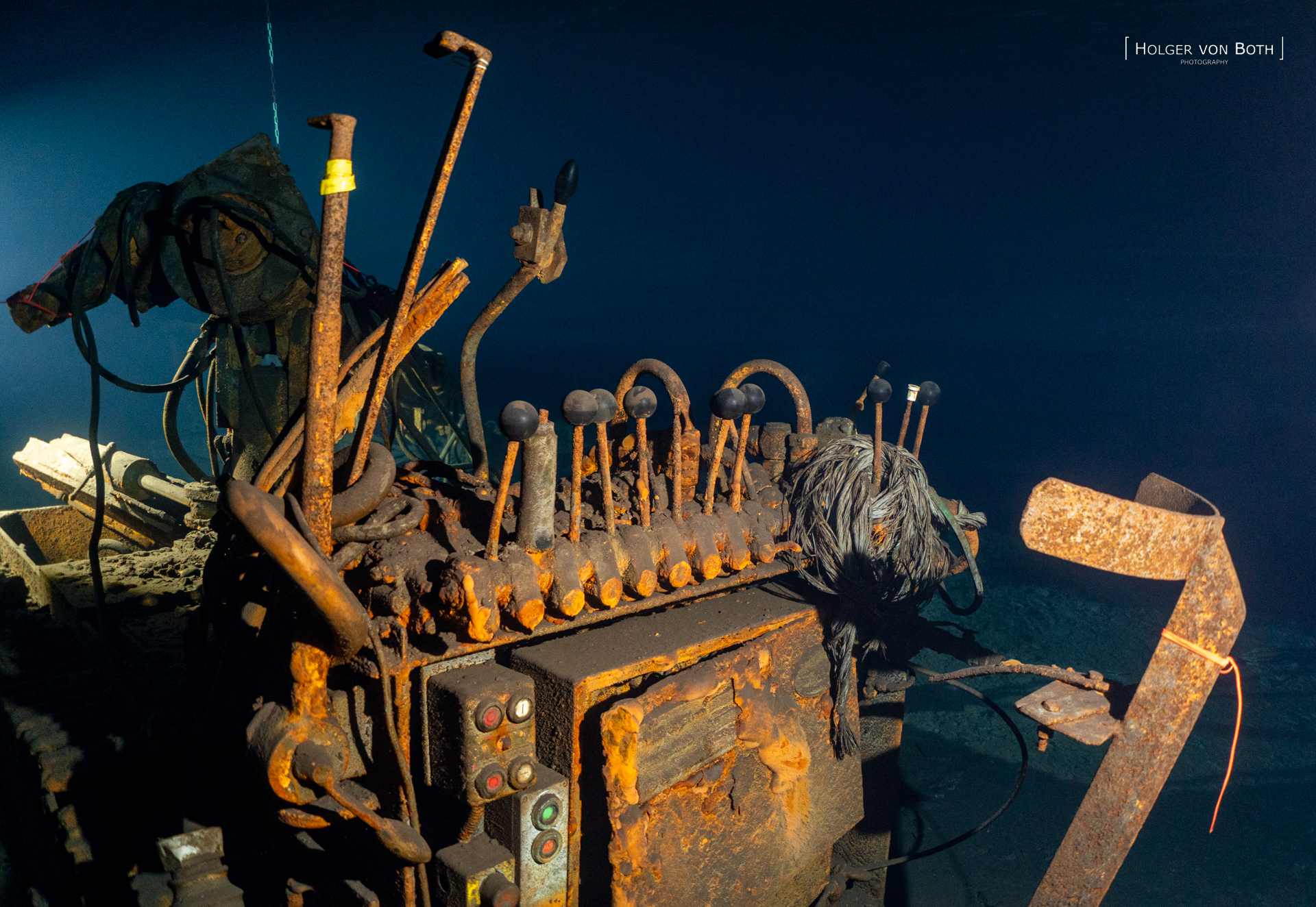
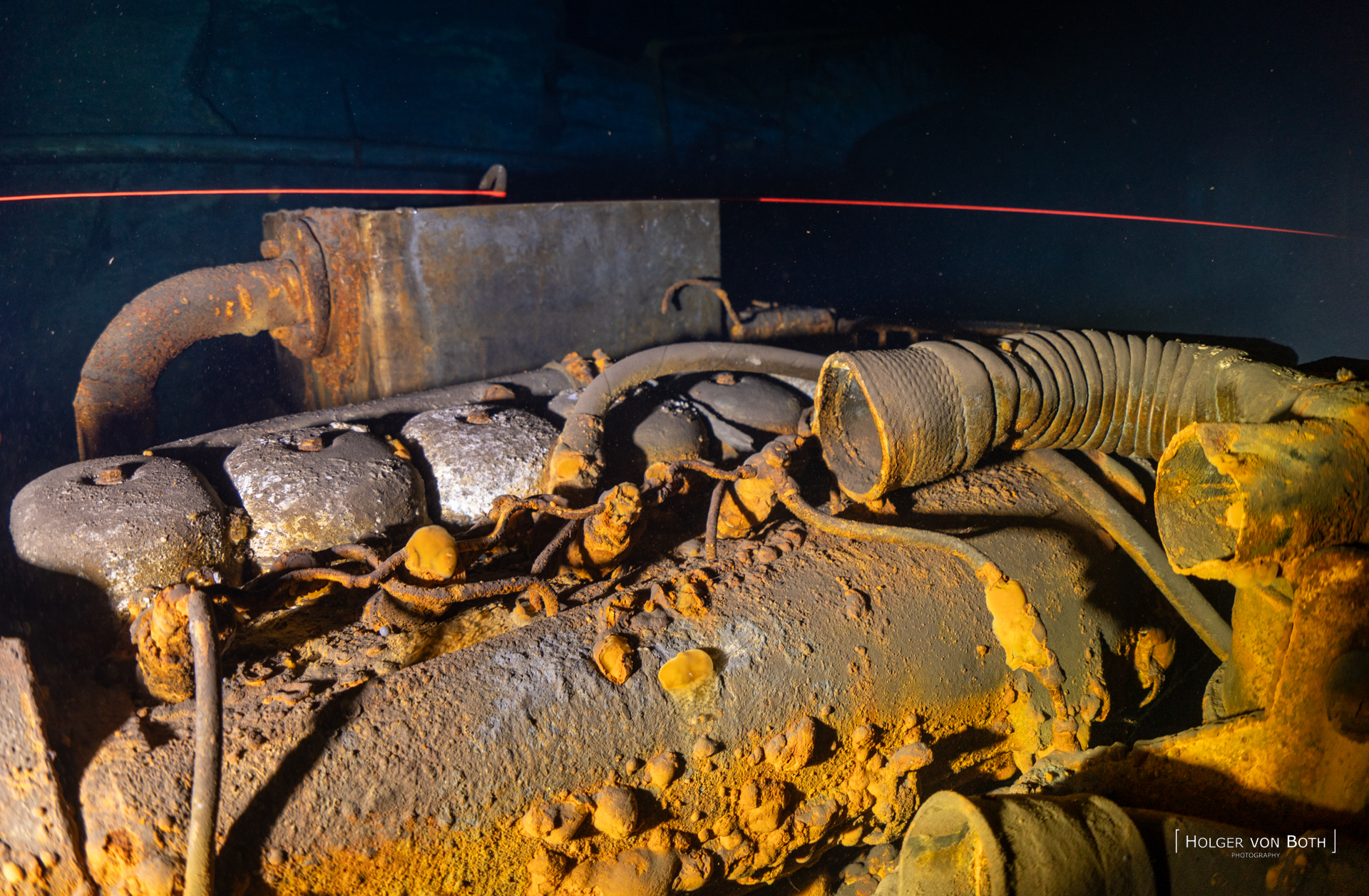
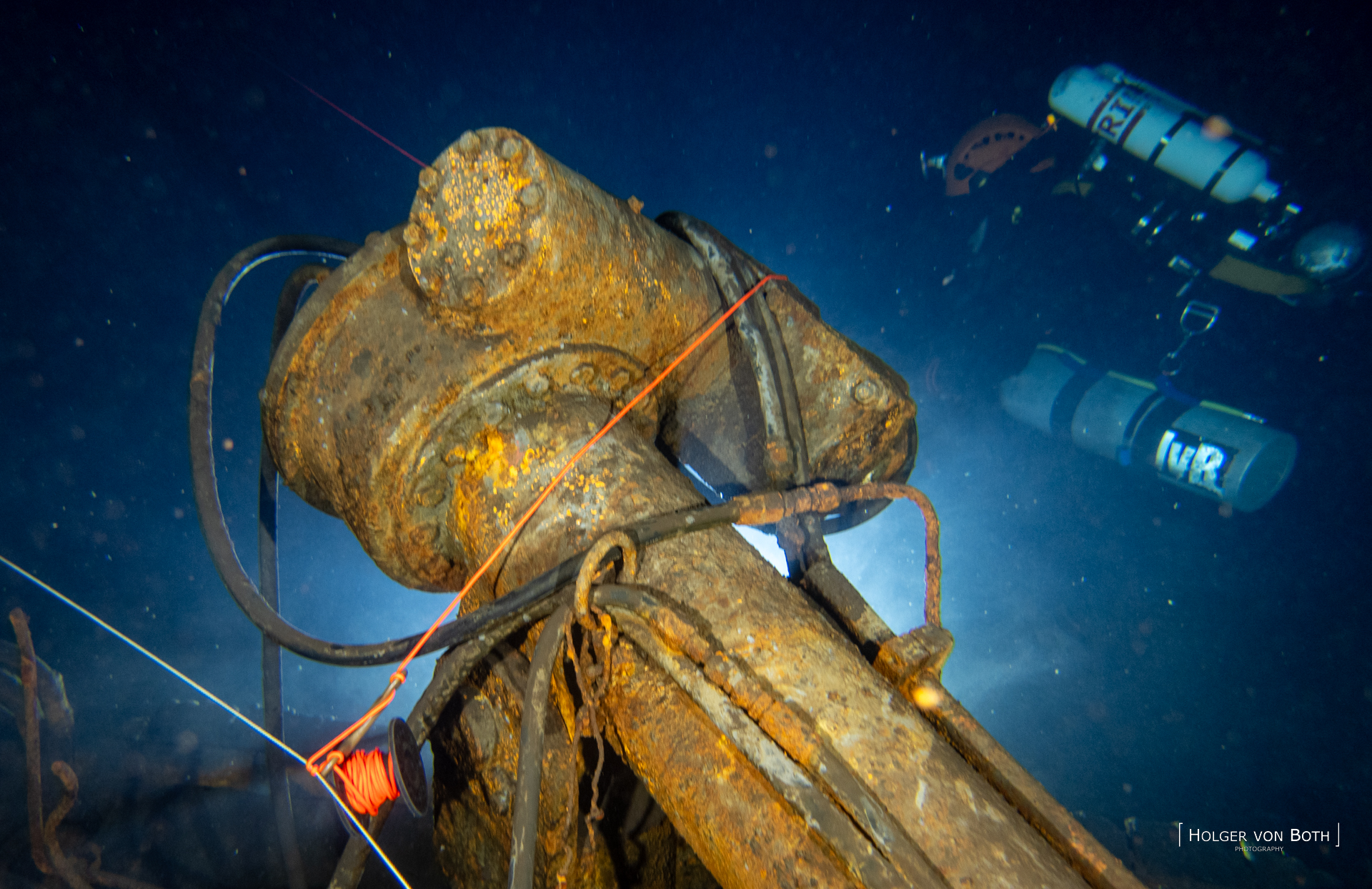
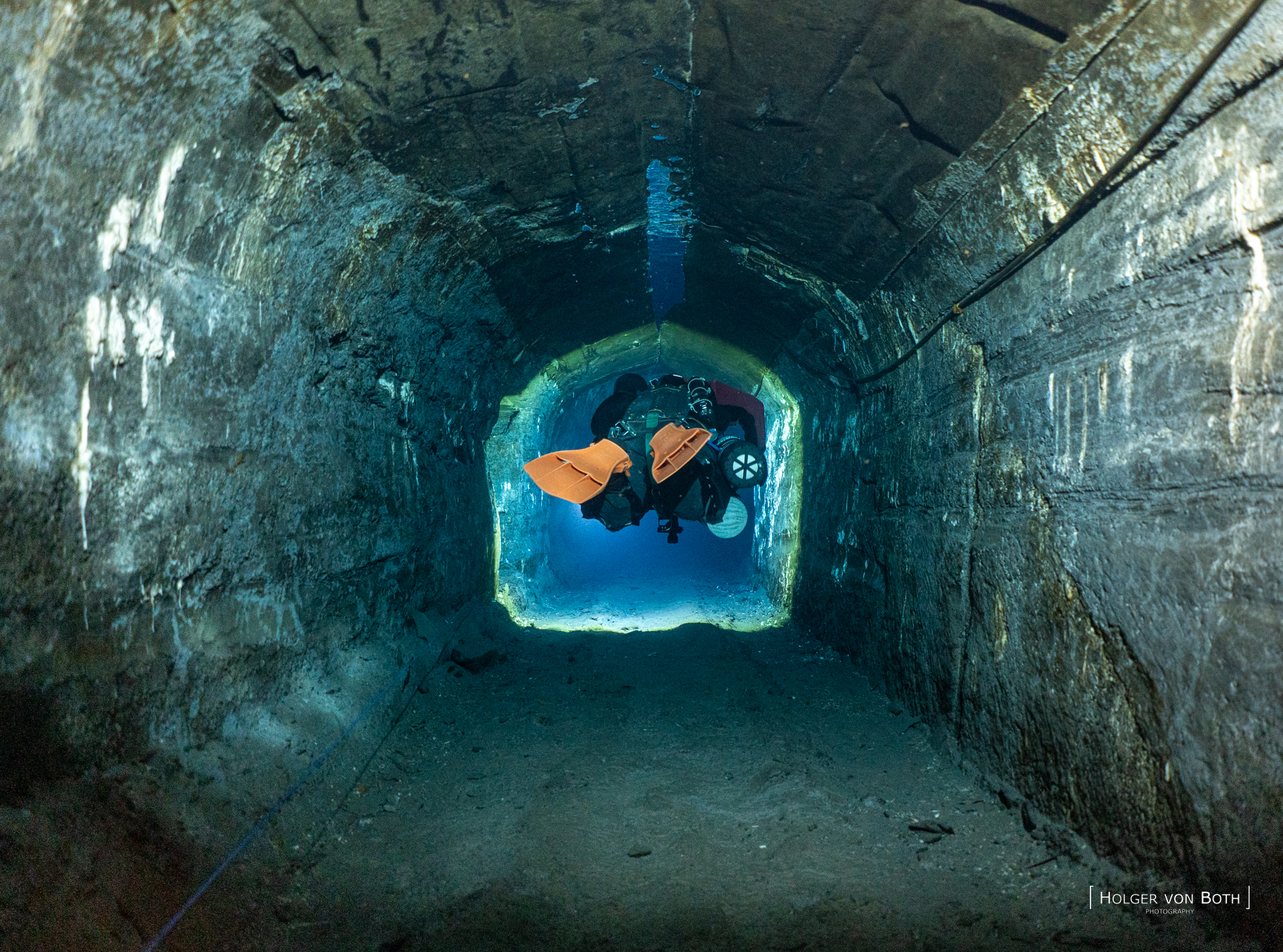
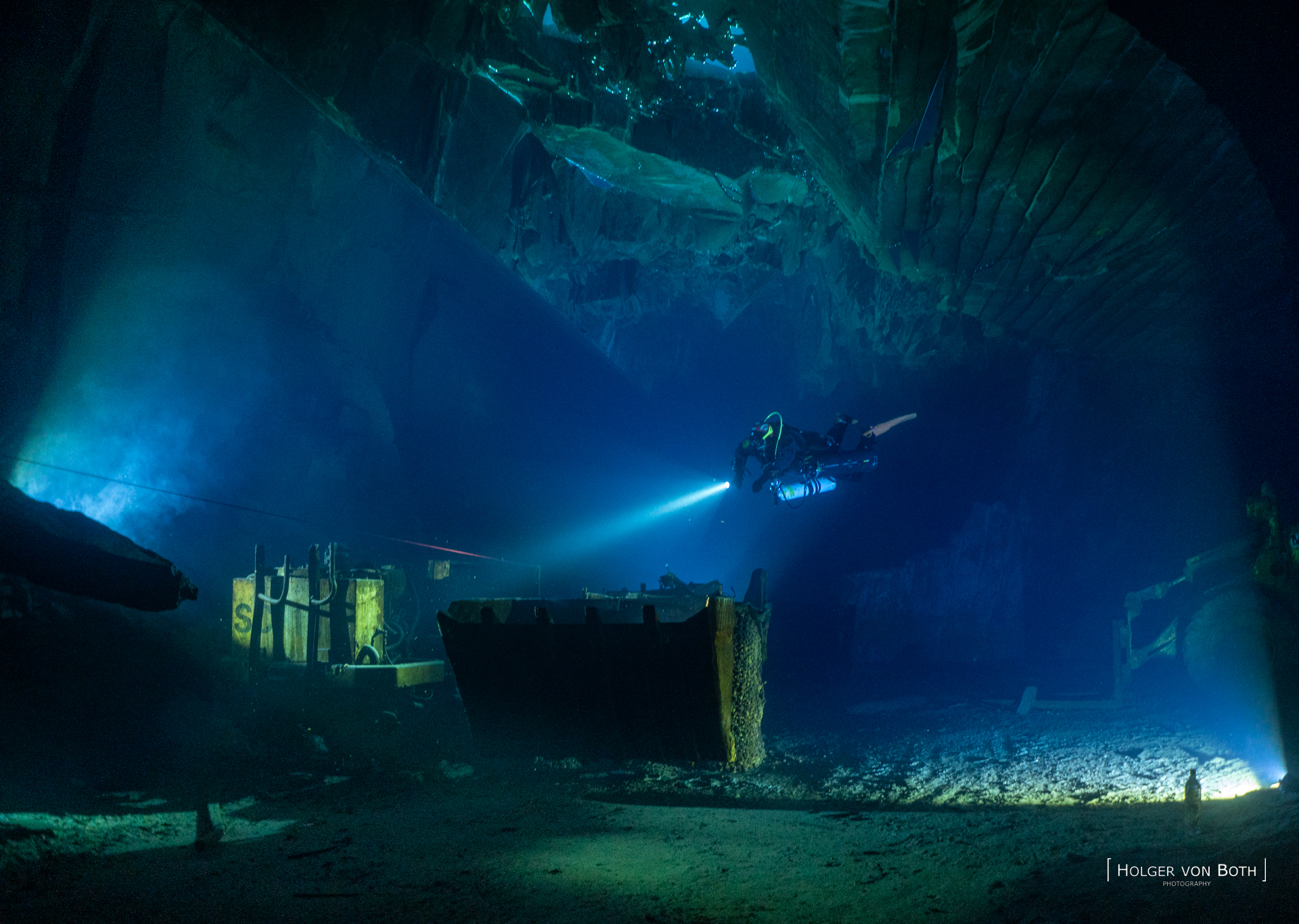
Today, the flooded mine offers divers access to a remarkable hidden underwater world. Vast chambers, narrow tunnels, mining equipment and authentic remains from the industrial era create a unique atmosphere for technical mine diving and underwater exploration photography.
Dives typically reach depths of around 30 meters. During summer months, the mine often provides crystal-clear cold water and excellent visibility, revealing the impressive scale and structure of the historic underground environment. A deeper level also exists within the mine system, although it is explored less frequently and is typically reserved for more advanced technical dives.
Slate Mine Christine
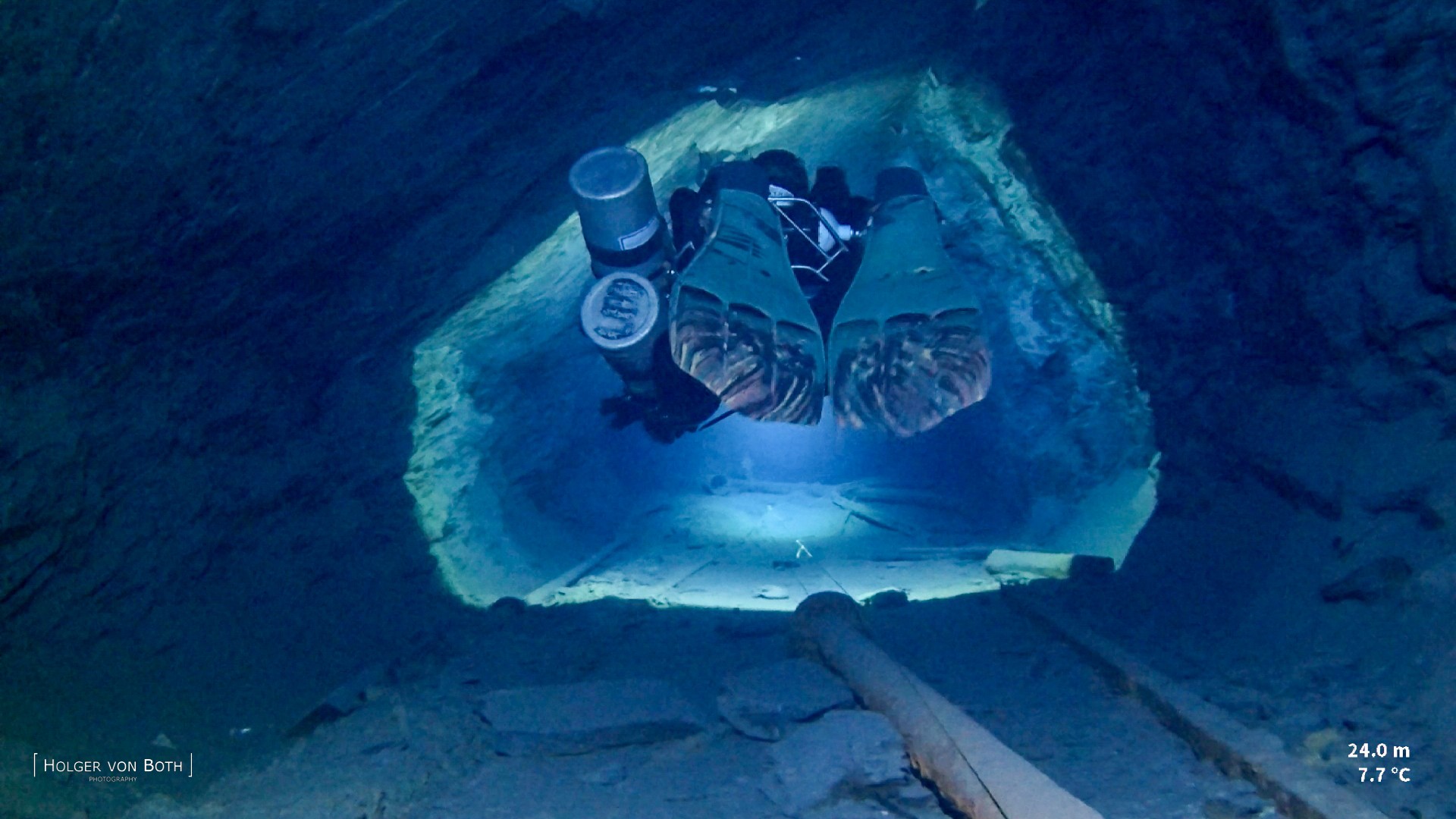
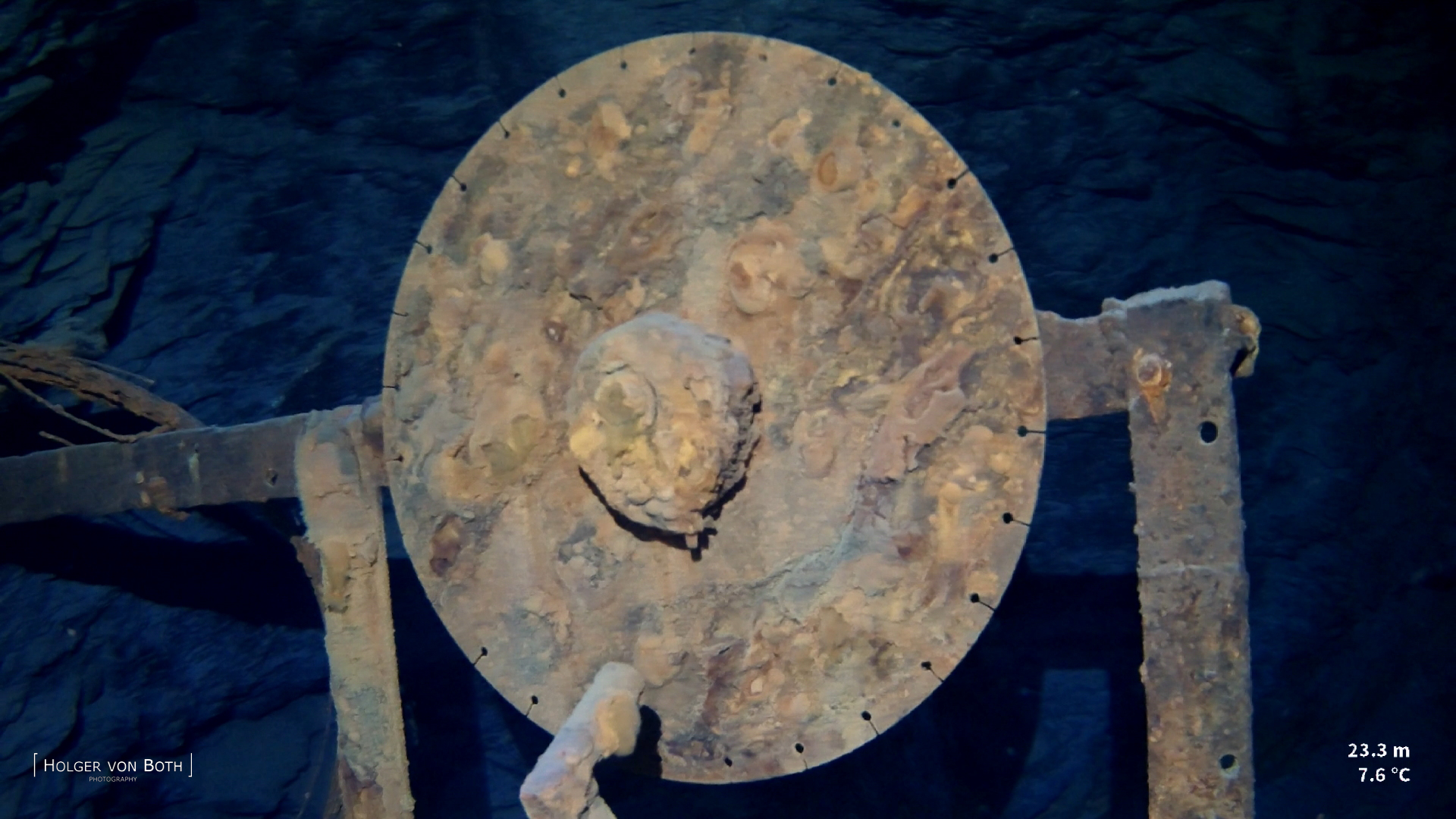
For more than a century, black slate was mined at Christine Mine in central Germany. The massive slate formations, ranging from 2 to 20 meters in thickness, were formed approximately 350 to 400 million years ago and shaped the impressive underground structures that can still be explored today.
Mining operations ended in 1971, after which the mine was gradually opened to visitors and divers. Today, technical divers can explore more than 1,200 meters of submerged tunnels and multiple underground levels hidden beneath the surface.
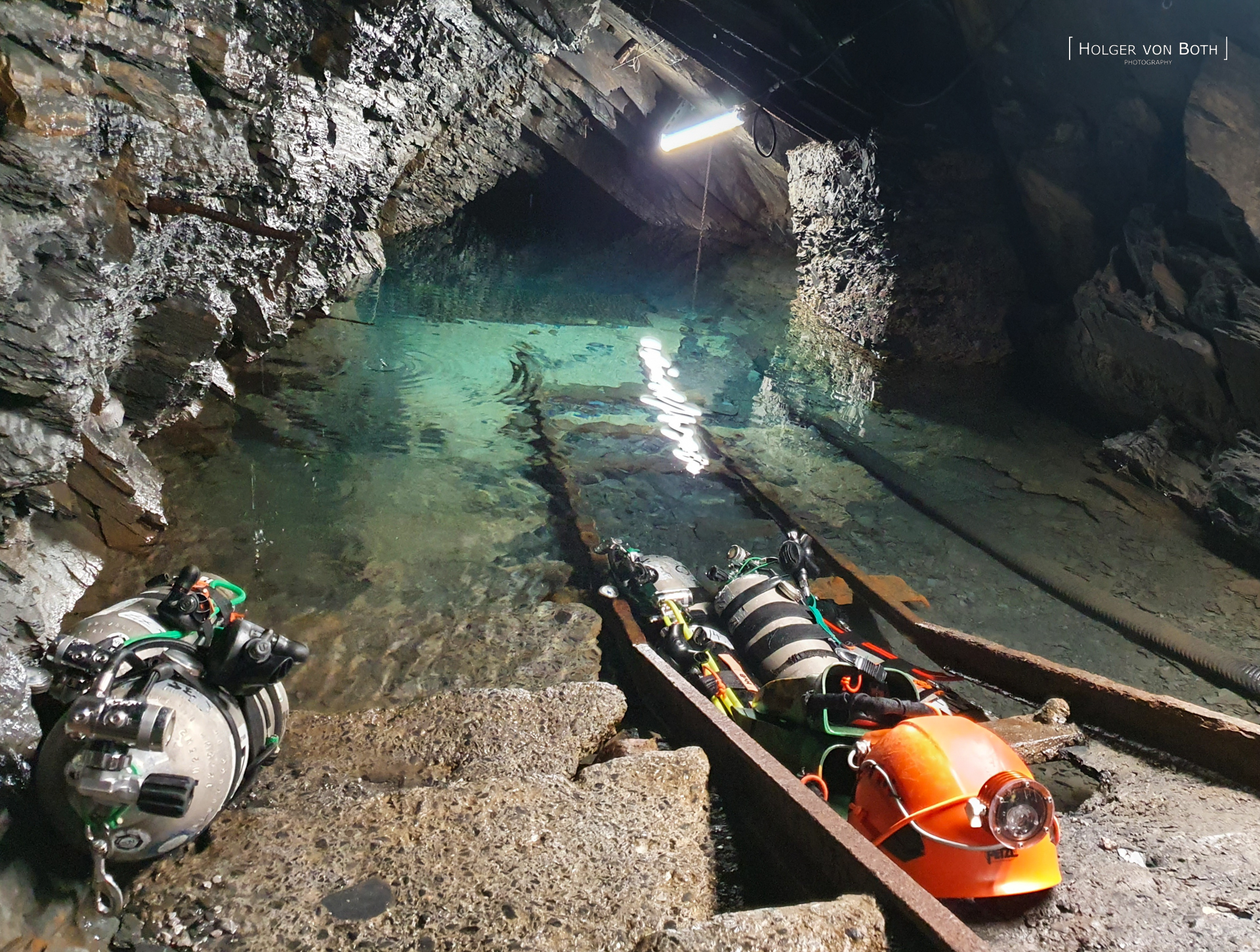
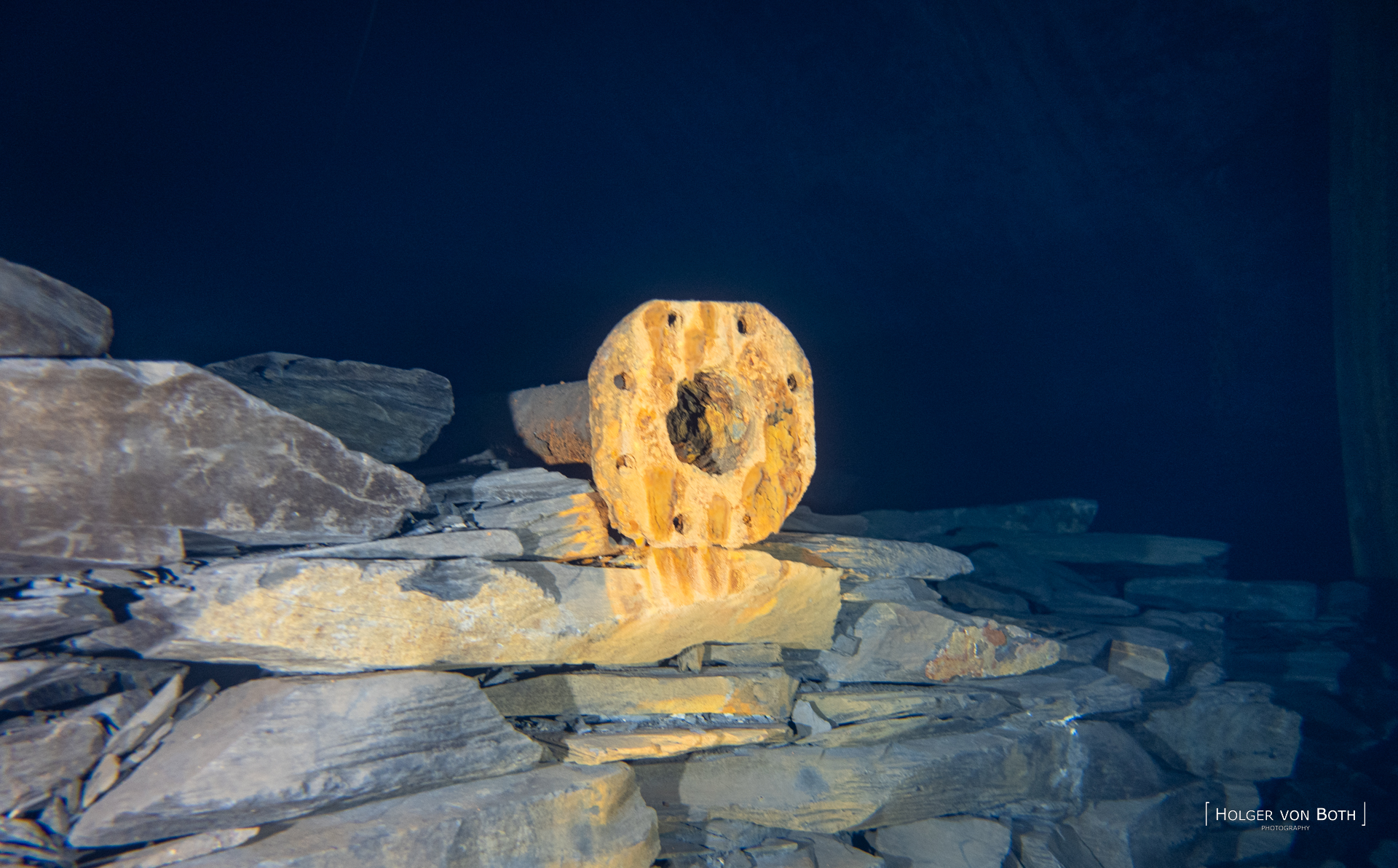
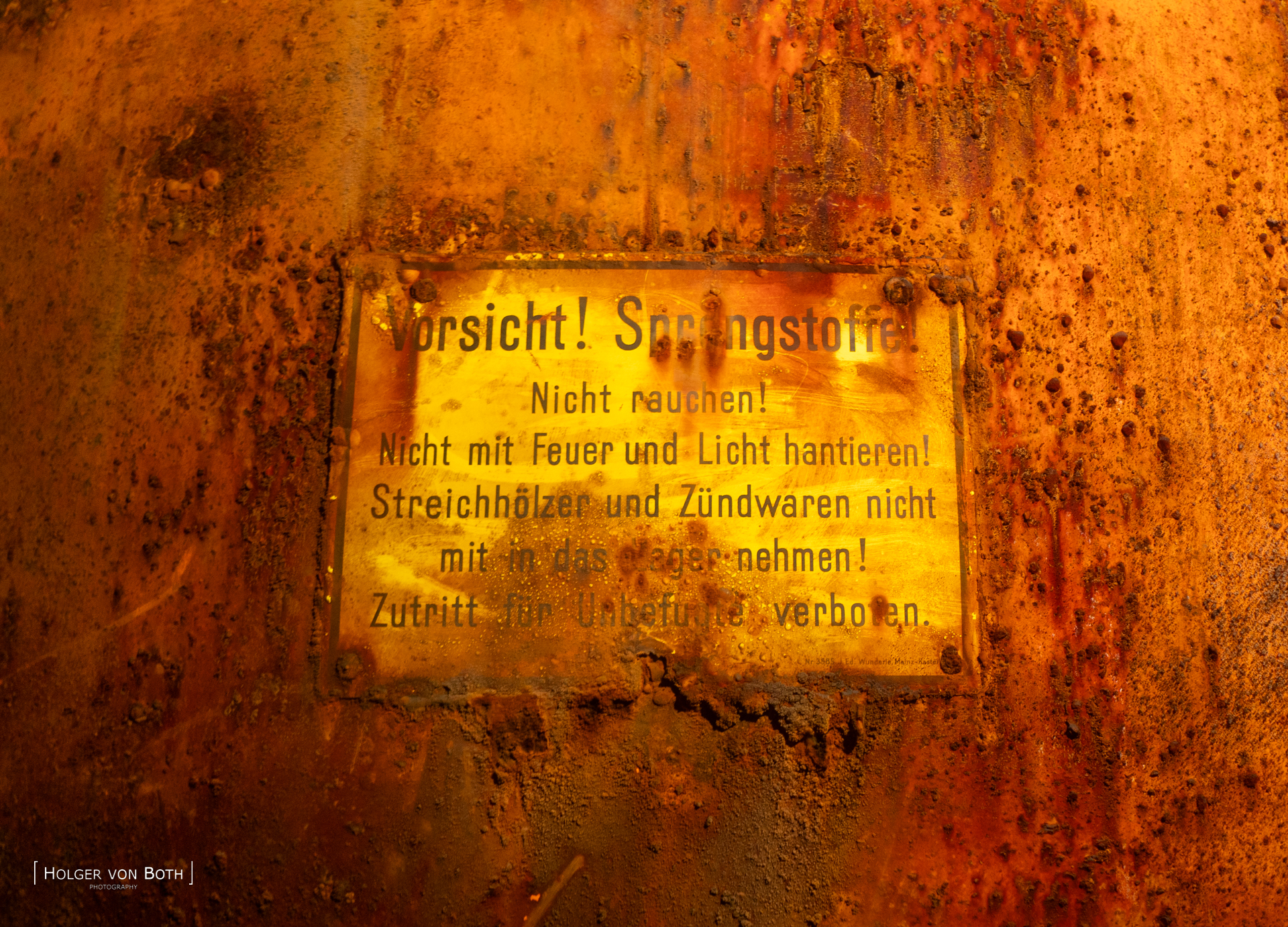
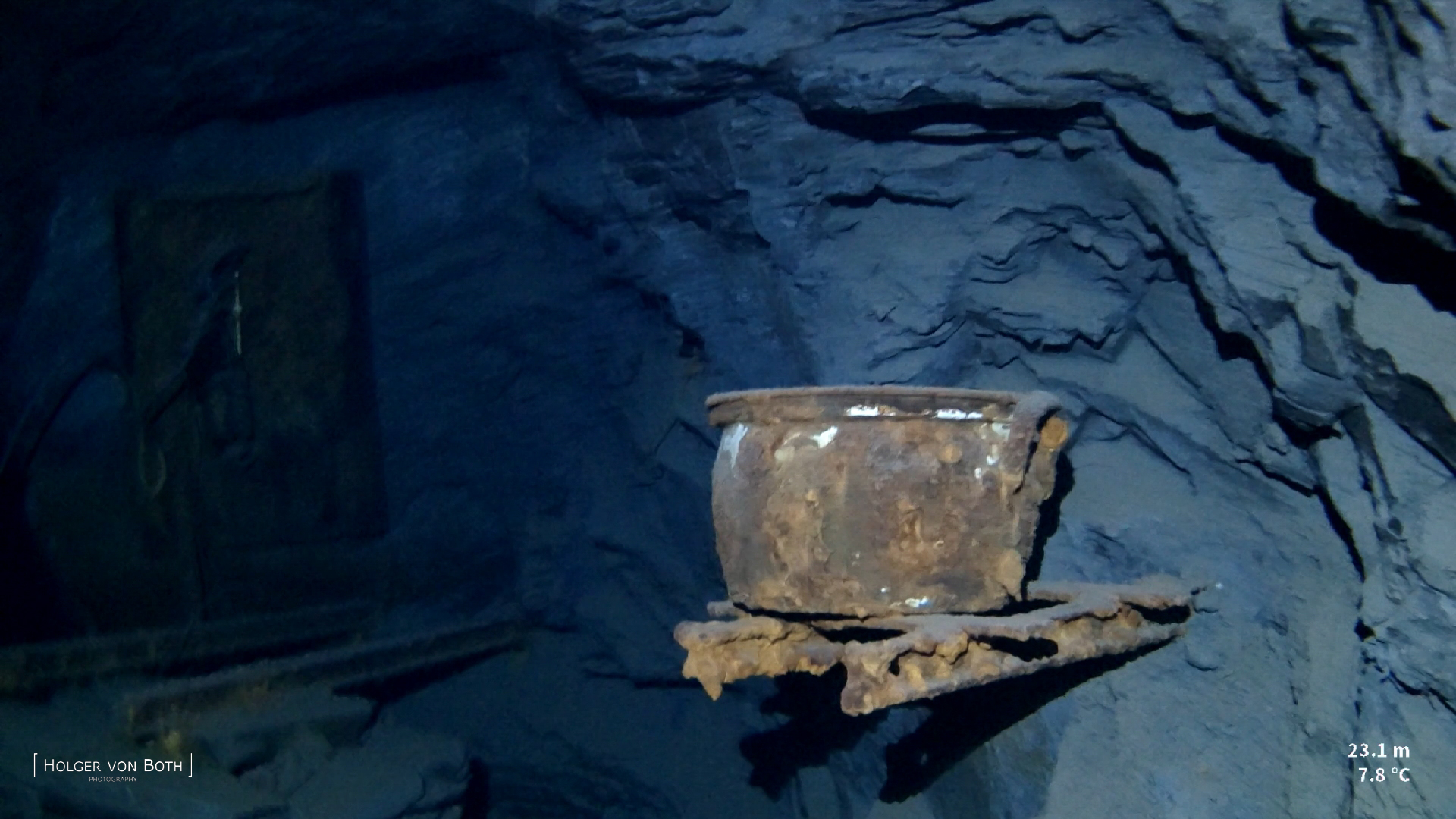
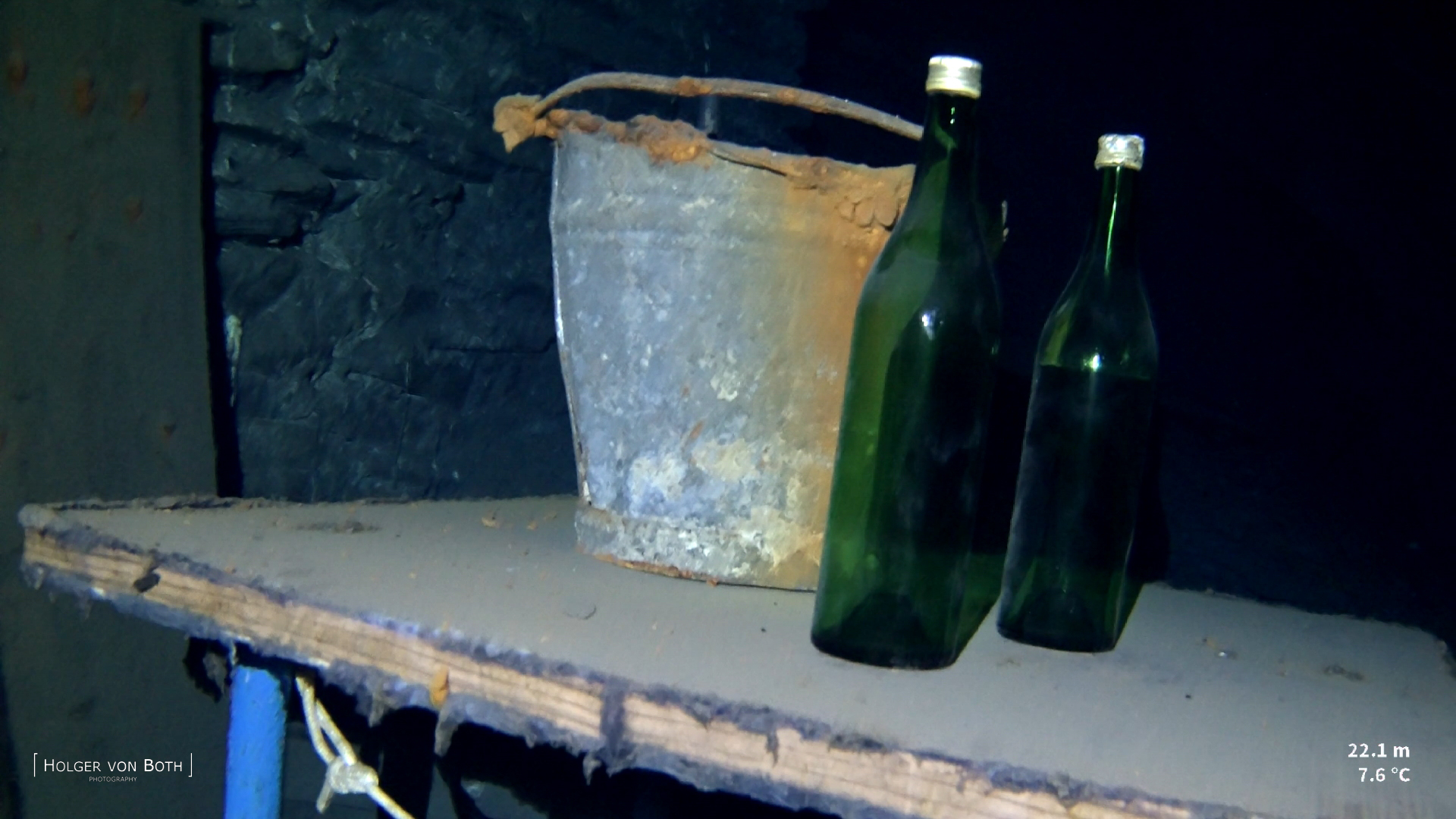
Throughout the flooded mine, numerous authentic remains from the mining era can still be discovered, including tools, rails, pipes, mining trolleys, bottles, shoes and personal equipment left behind decades ago. These preserved details create a unique connection between industrial history and underwater exploration.
Crystal-clear cold water, atmospheric lighting conditions and the vast underground structures make Christine Mine one of Germany’s most fascinating locations for technical mine diving and underwater exploration photography.
Lake Constance (Bodensee)
Lake Constance, known as Bodensee in German, lies in the southwest of Germany where Germany, Switzerland and Austria meet. With a surface area of more than 530 square kilometers, it is one of the largest freshwater lakes in Central Europe and a defining natural landmark of the region.
The lake reaches depths of up to 251 meters and stretches along approximately 273 kilometers of shoreline. In English and several Romance languages, the lake takes its name from the historic city of Constance, while the German name “Bodensee” originates from the village of Bodman located on its western shore.
Lake Constance consists of two main sections. The larger eastern part, known as the Obersee or Upper Lake, covers the majority of the lake’s surface area. The smaller western section, called the Untersee or Lower Lake, is connected to the Upper Lake by the Seerhein, a stretch of the Rhine River flowing through the city of Constance.
The lake eventually drains into the High Rhine, leading toward the spectacular Rhine Falls near Schaffhausen in Switzerland. Beyond its geographical importance, Lake Constance also serves as one of the most significant drinking water reservoirs for the surrounding region.
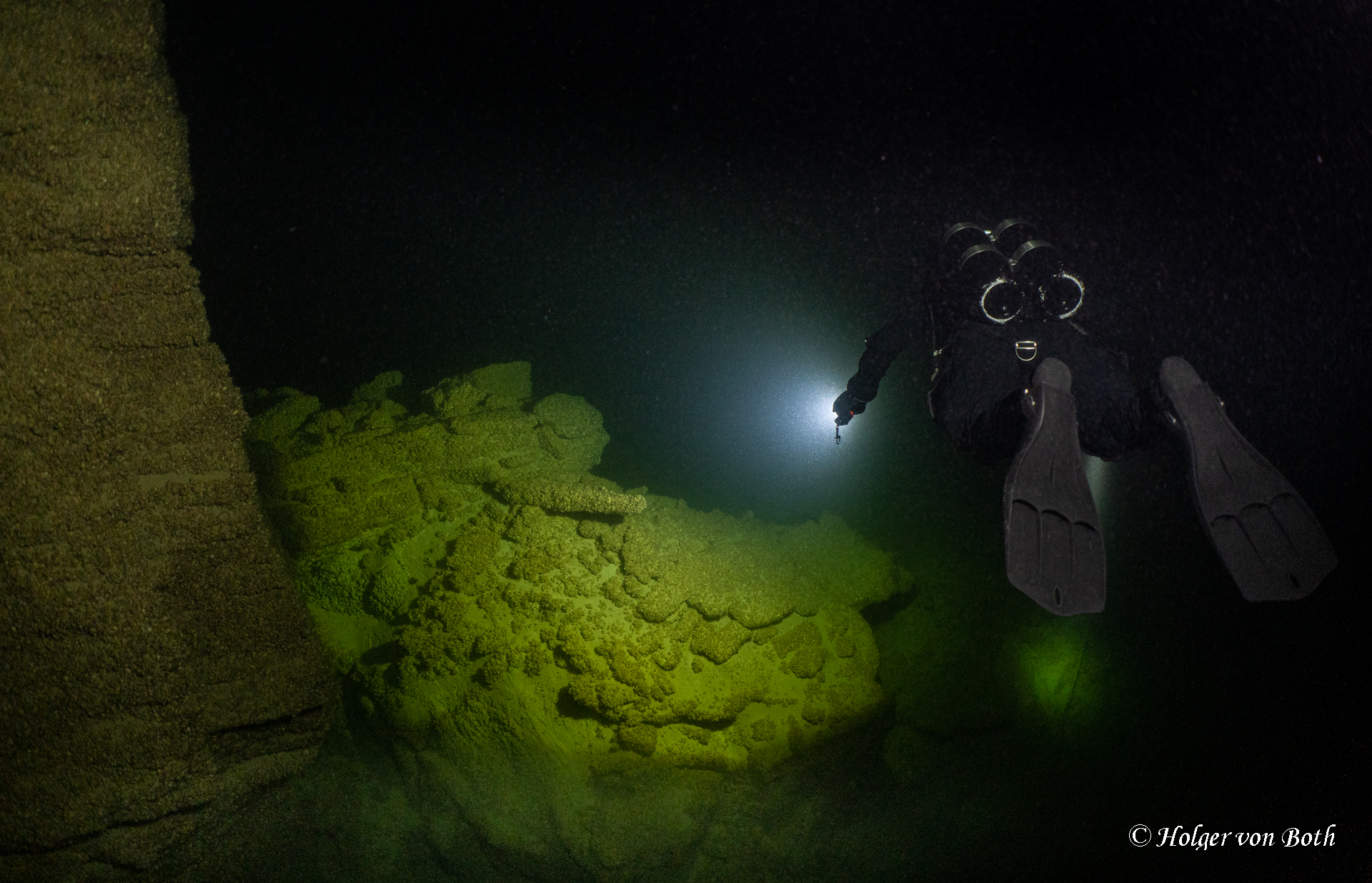
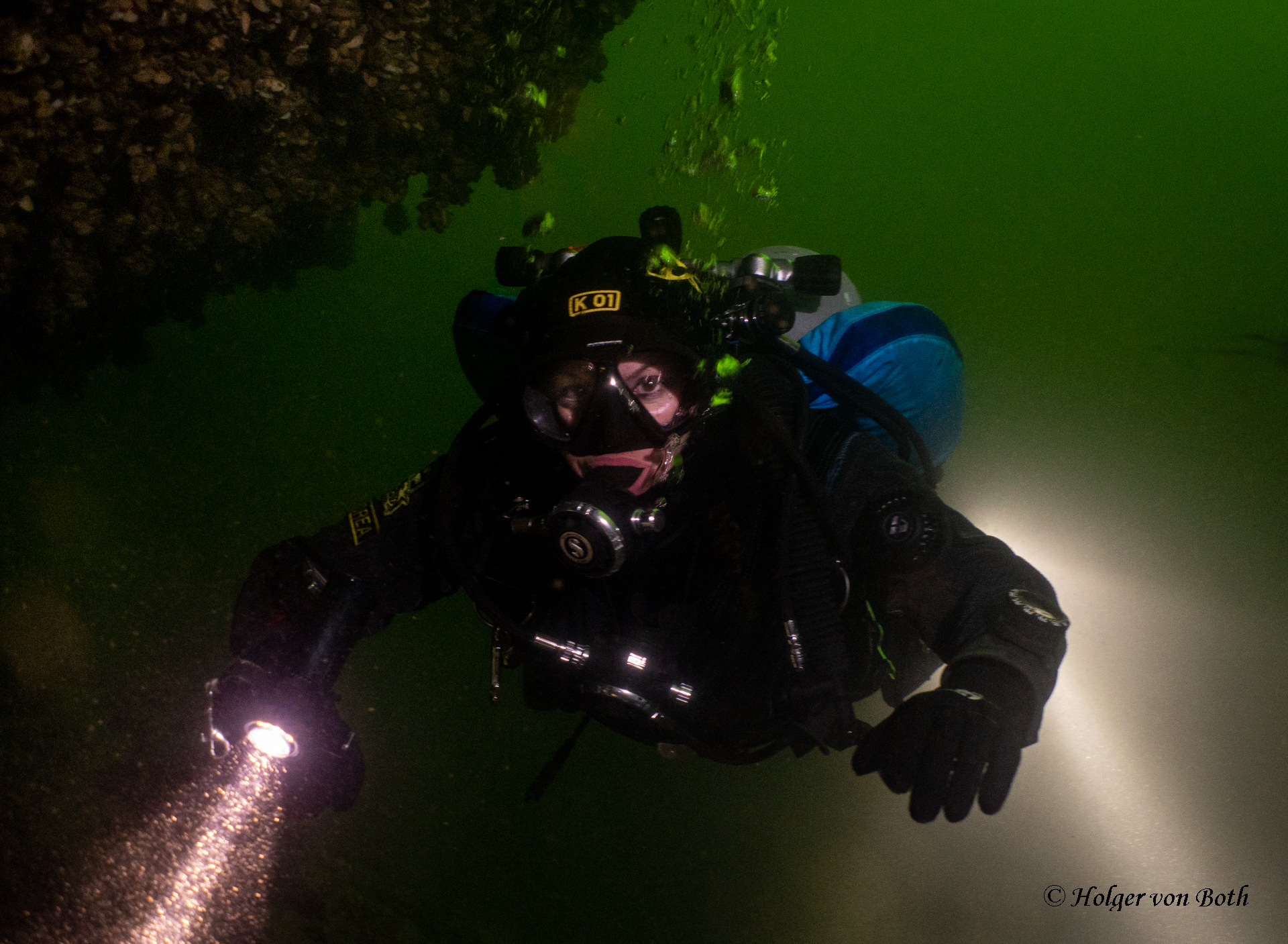
For divers and underwater photographers, Lake Constance offers fascinating freshwater environments shaped by steep underwater drop-offs, changing visibility conditions and deep alpine waters. The combination of scale, history and natural beauty creates a unique atmosphere for freshwater diving and underwater exploration photography.
Diving experience in Germany
Germany offers challenging cold-water technical diving environments, including flooded mines, lakes and selected overhead sites. These environments are characterized by restricted passages, complex navigation and limited natural light.
The country is defined by strong contrasts between accessible training sites and highly demanding exploration environments.
Germany is particularly known for:
- cold-water conditions
- overhead environments
- restricted passages
- navigation complexity
- limited visibility variability
Plan your diving experience in Germany
Cave and mine diving in Germany requires thorough preparation, appropriate certification and strict adherence to safety protocols. Divers should carefully assess site-specific conditions, gas planning requirements and equipment redundancy before each dive.
Many locations are suited exclusively for experienced technical divers and should only be dived within certified limits and with appropriate local knowledge or guidance.
Other Underwater Environments
If you are interested in exploring more underwater environments, you can also view galleries from:
Madagascar, Hungary, Mexico, France, Switzerland, and Italy.