Exploring Remote Underground Worlds in Madagascar
Flooded cave systems beneath the dry limestone landscapes of southern Madagascar.
Madagascar contains a number of remote flooded cave systems located beneath dry forests, limestone regions and isolated landscapes far away from established diving areas.
Many of these underwater environments remain only lightly documented and are rarely visited outside the small teams involved in their exploration and research. Their remoteness and limited accessibility have contributed to preserving these caves in a remarkably undisturbed condition.
Flooded Cave Systems of Southern Madagascar
Tsimanampetsotsa National Park
The flooded cave systems of Tsimanampetsotsa National Park are located within one of Madagascar’s most remote and environmentally unique regions. Dry forests, limestone formations and isolated landscapes create a calm and highly distinctive atmosphere within a highly isolated landscape of southern Madagascar.
Several cave systems within the region contain exceptionally well-preserved geological formations and paleontological remains, including fossilized giant lemurs and crocodiles. Many sections of these caves remain almost completely untouched.
Mitoho Cave
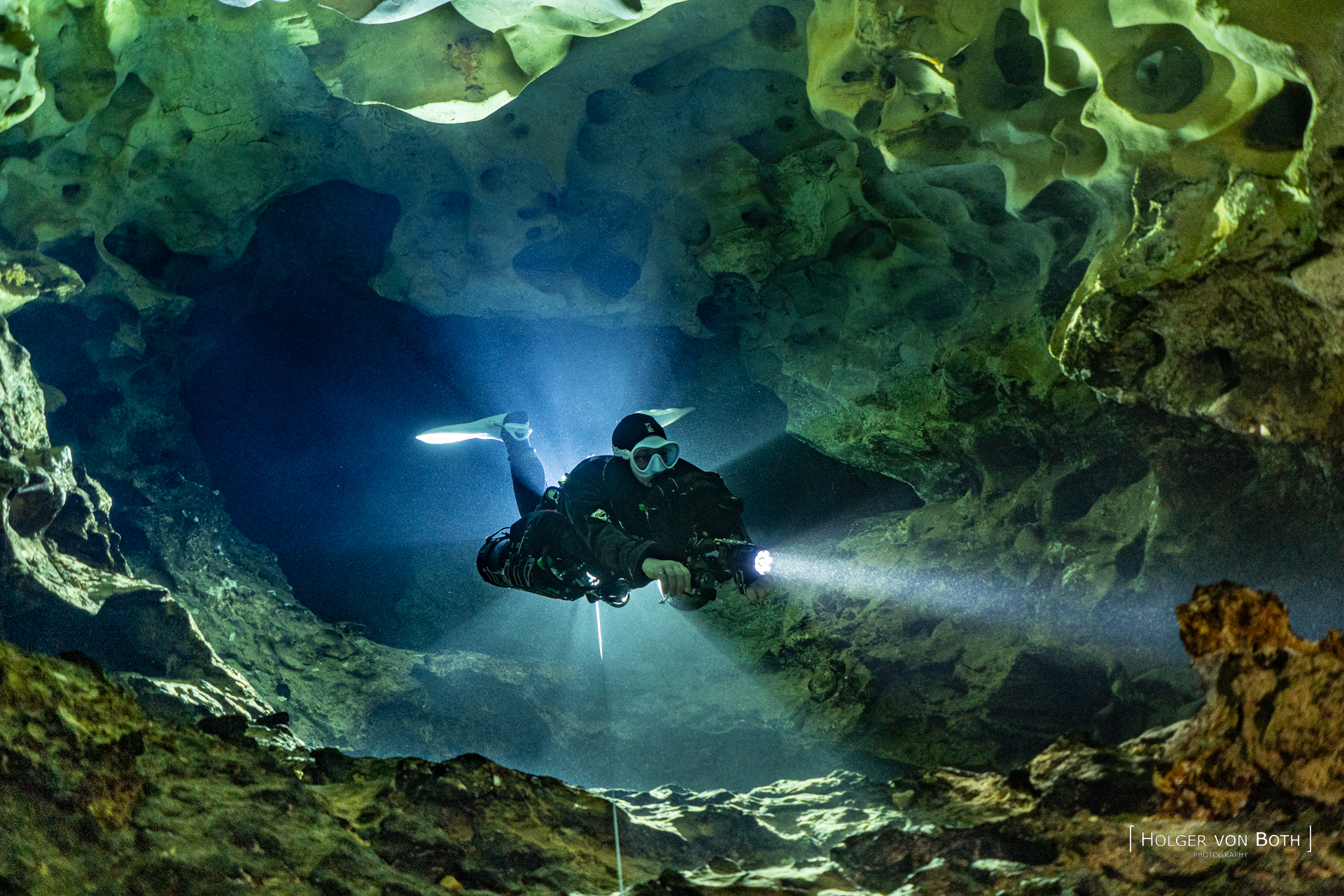
Mitoho Cave is characterised by structured underwater passages, sculpted limestone formations and clear water extending beneath the dry landscapes of southern Madagascar.
Many sections of the cave appear compact and highly detailed, with changing textures and formations throughout the dive. The limestone surfaces reveal fine structures and subtle colour variations illuminated only by the divers’ lights within the otherwise dark underwater environment.
The surrounding isolation of the region, combined with the limited number of documented dives, contributes to the quiet and undisturbed atmosphere found throughout the cave system.
Malazamanga Cave
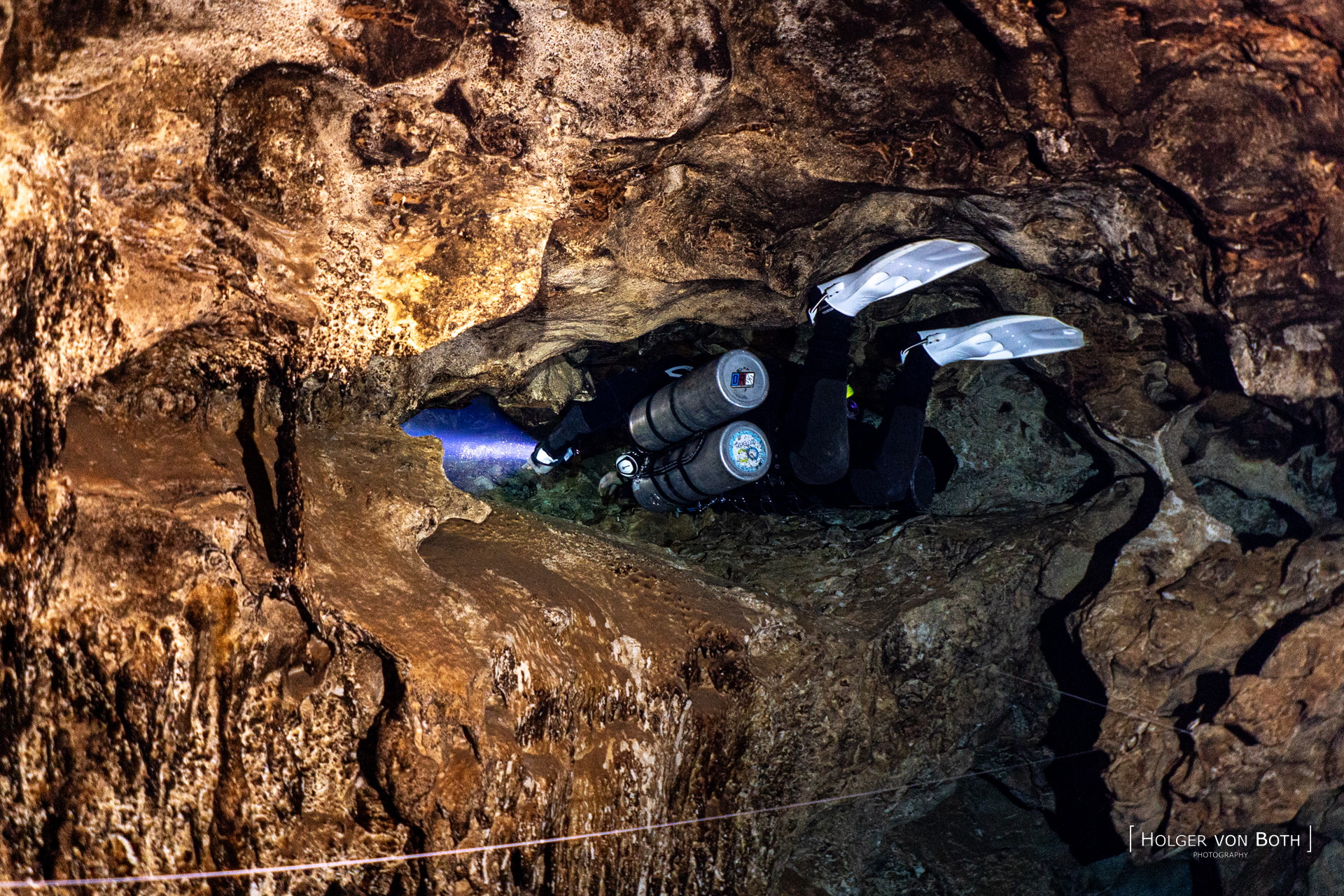
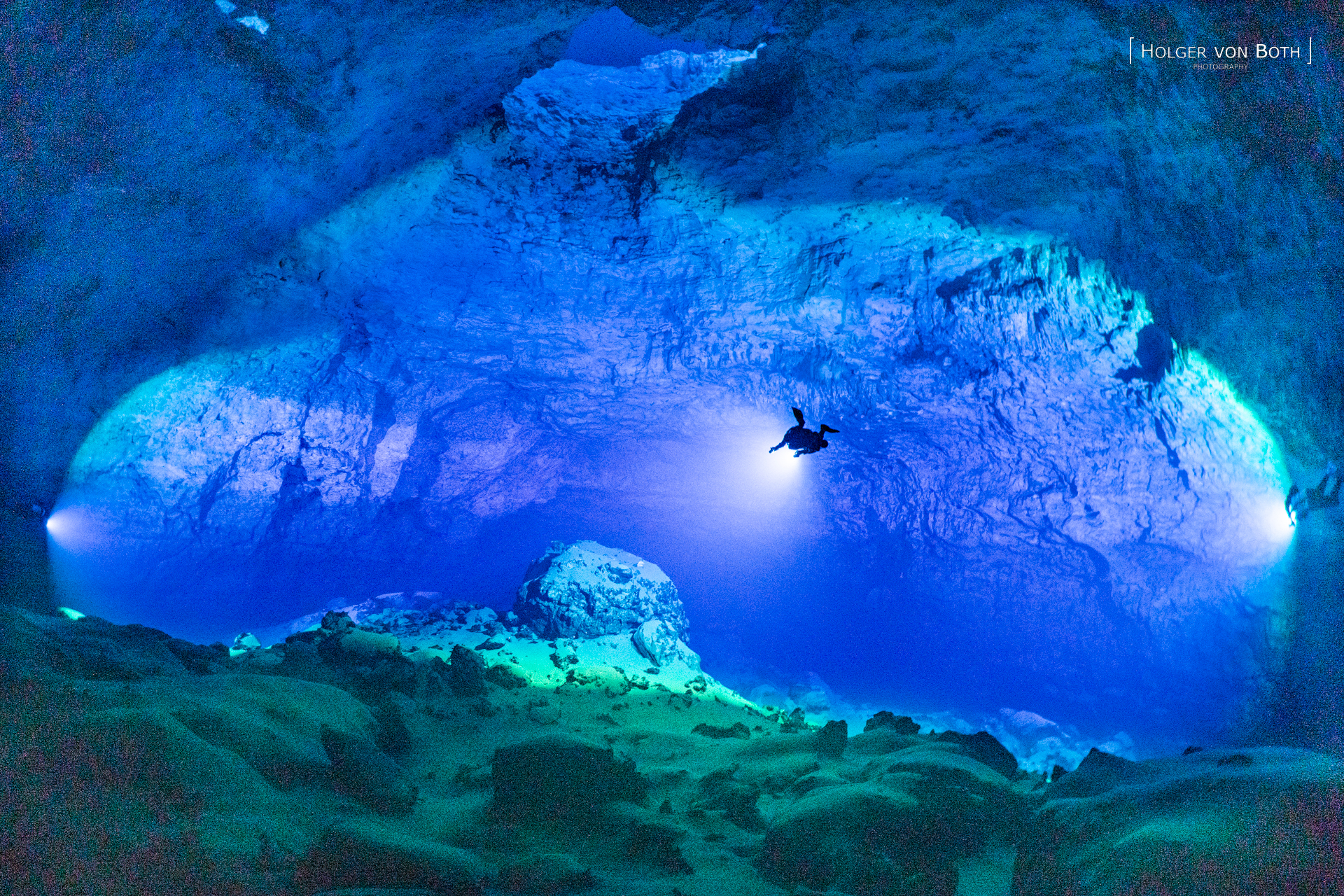
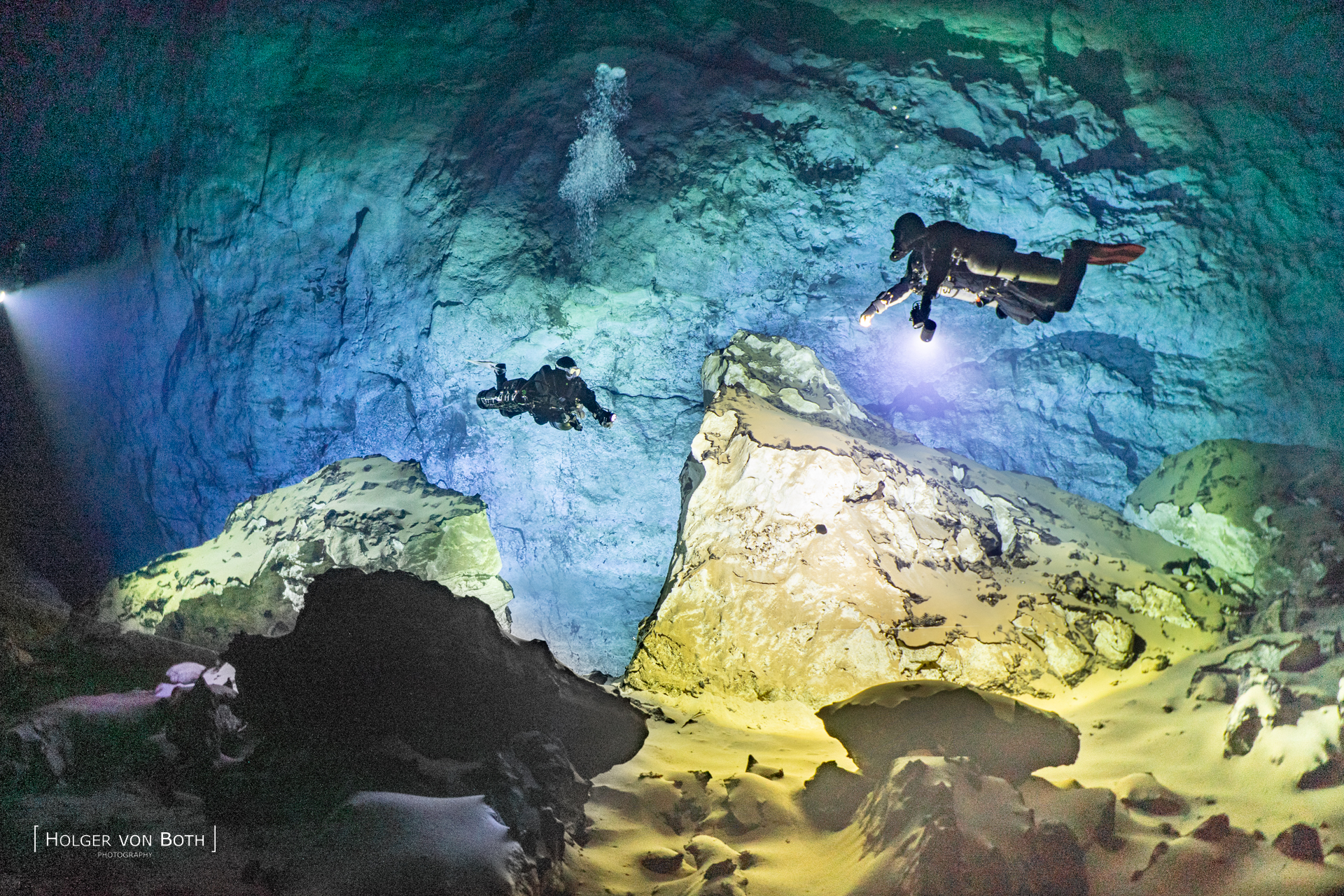
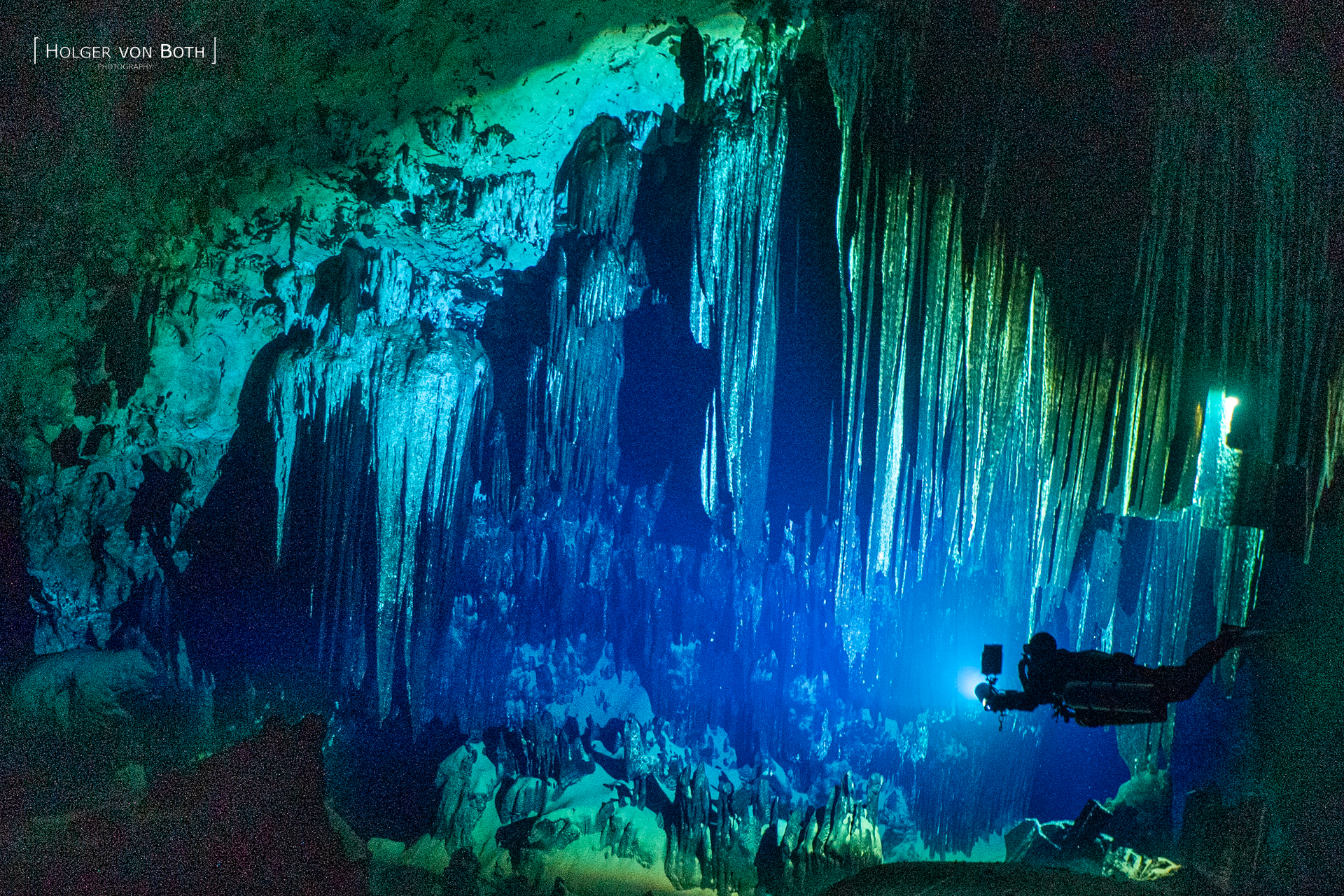
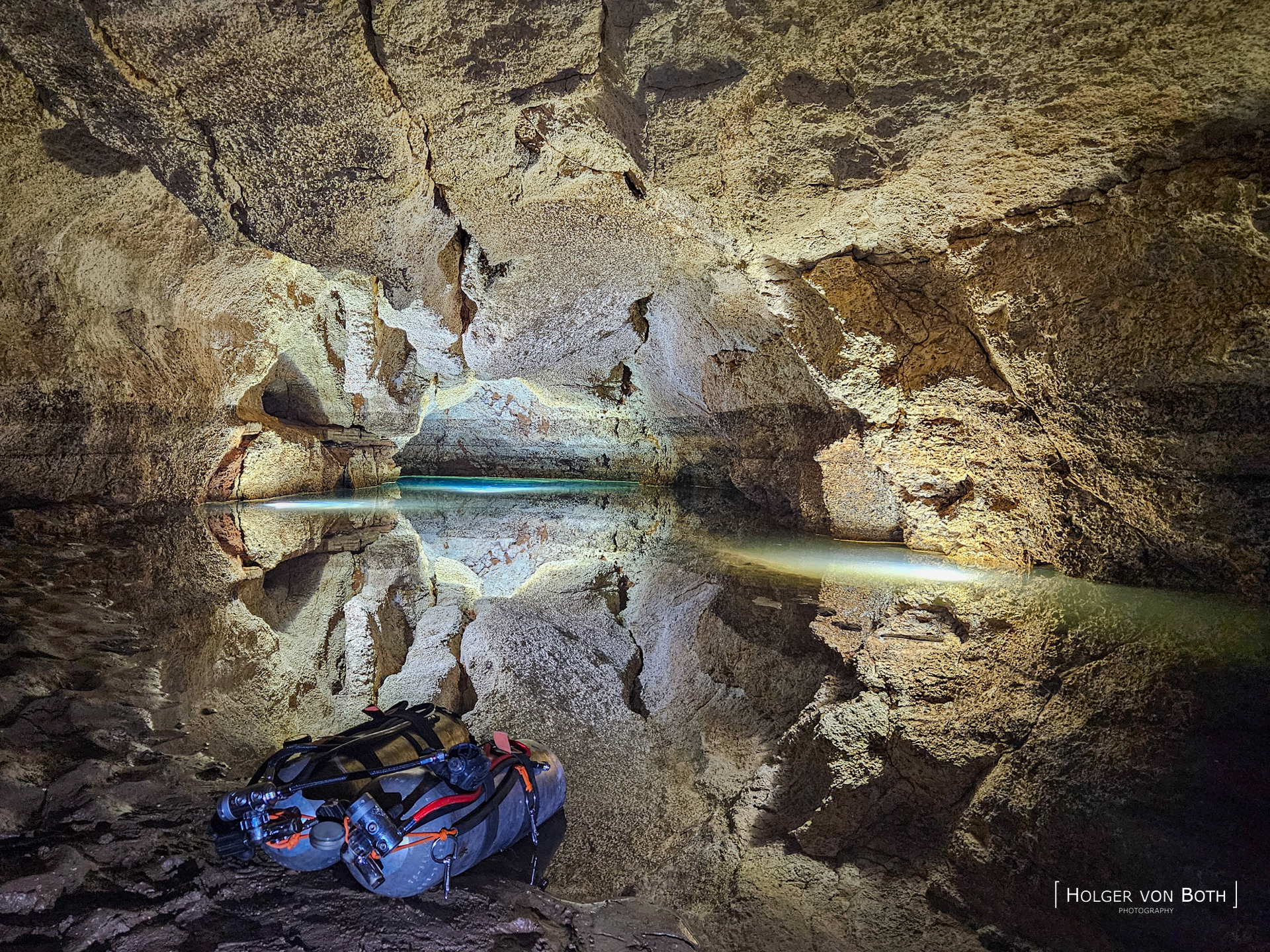
Malazamanga Cave is characterised by large submerged chambers, extensive rock formations and sections containing preserved limestone structures shaped by the surrounding karst environment.
In many areas, the actual dimensions of the cave only become visible once divers enter the scene, providing a sense of scale within the otherwise dark underwater passages. Massive underwater walls, breakdown boulders and long limestone formations extend throughout different sections of the cave system beneath the dry landscape above.
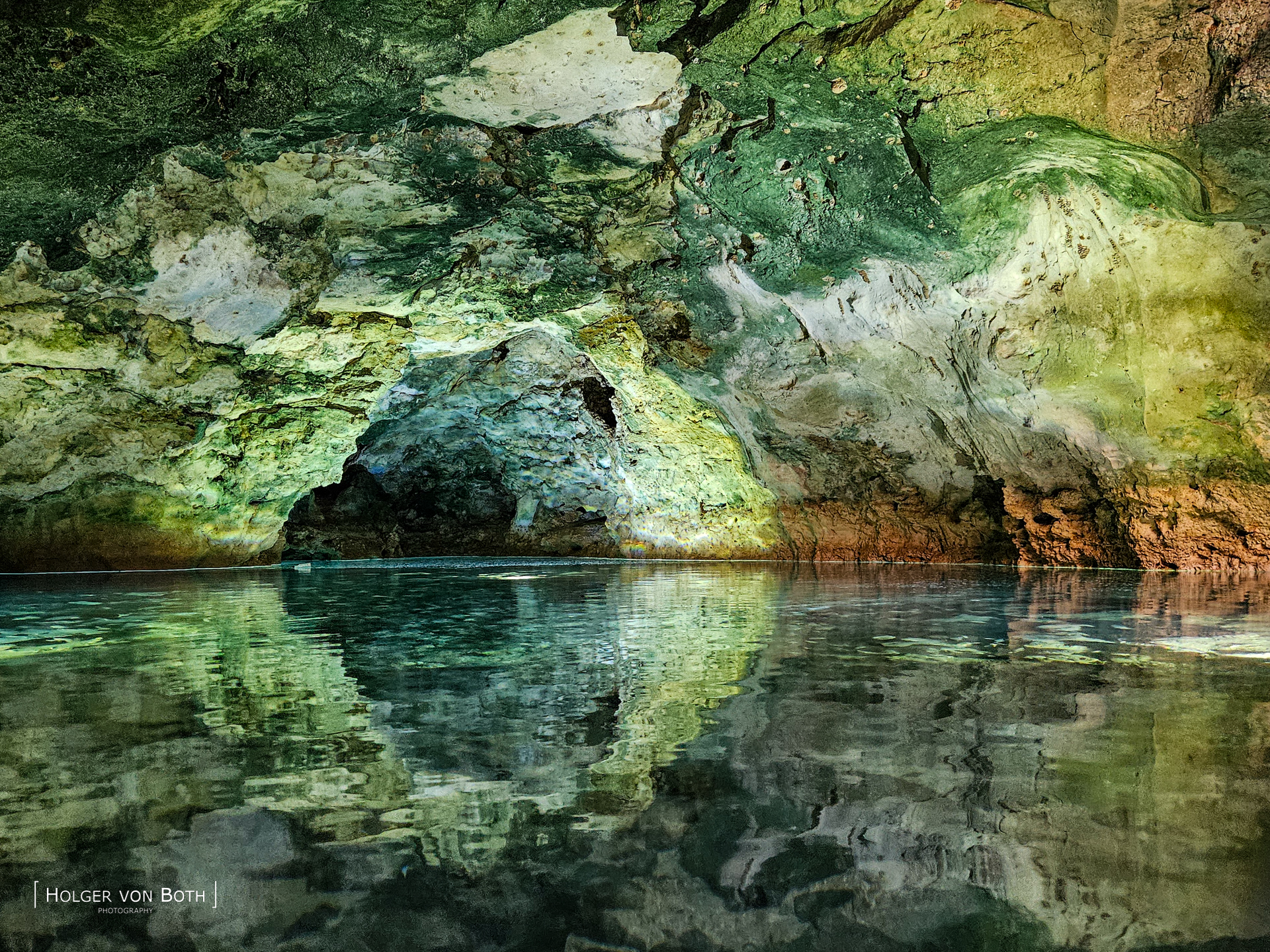
The calm entrance pool already reflects the quiet atmosphere that continues deeper inside the submerged passages.
Aven Cave
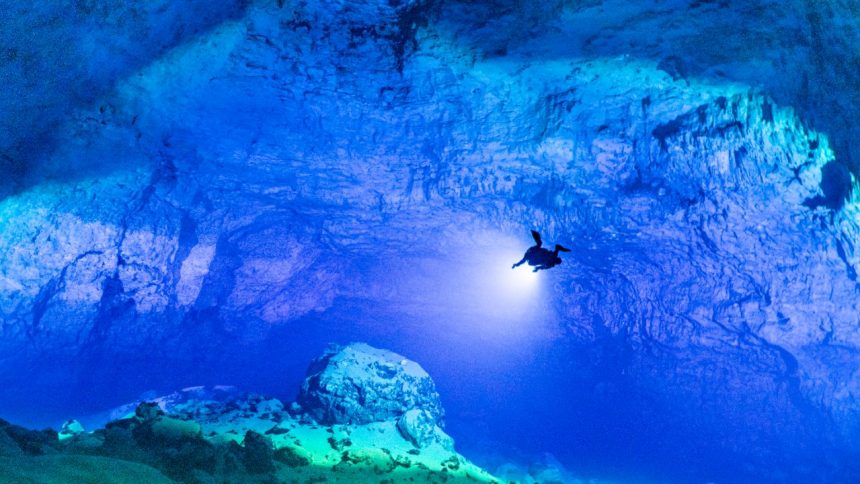
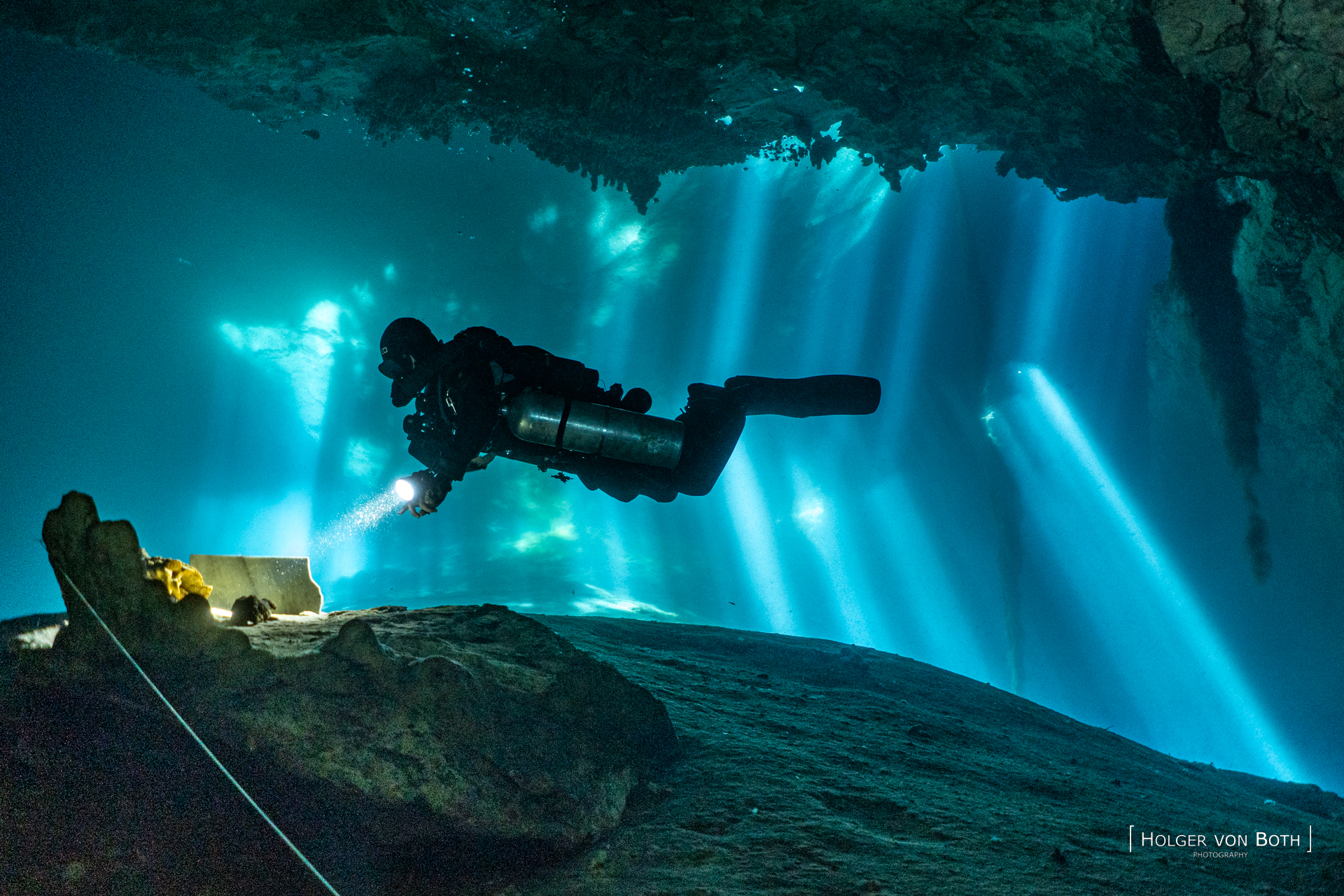
Aven Cave differs structurally from the other flooded cave systems within the region and resembles a large submerged cavern with extensive open sections rather than a narrow underwater tunnel system.
Natural light penetrates deeply into the water through the open cave structure, creating changing blue and green tones throughout different areas of the cave. Large rock walls, suspended particles and illuminated passages shape the atmosphere inside the cavern beneath the dry limestone landscape above.
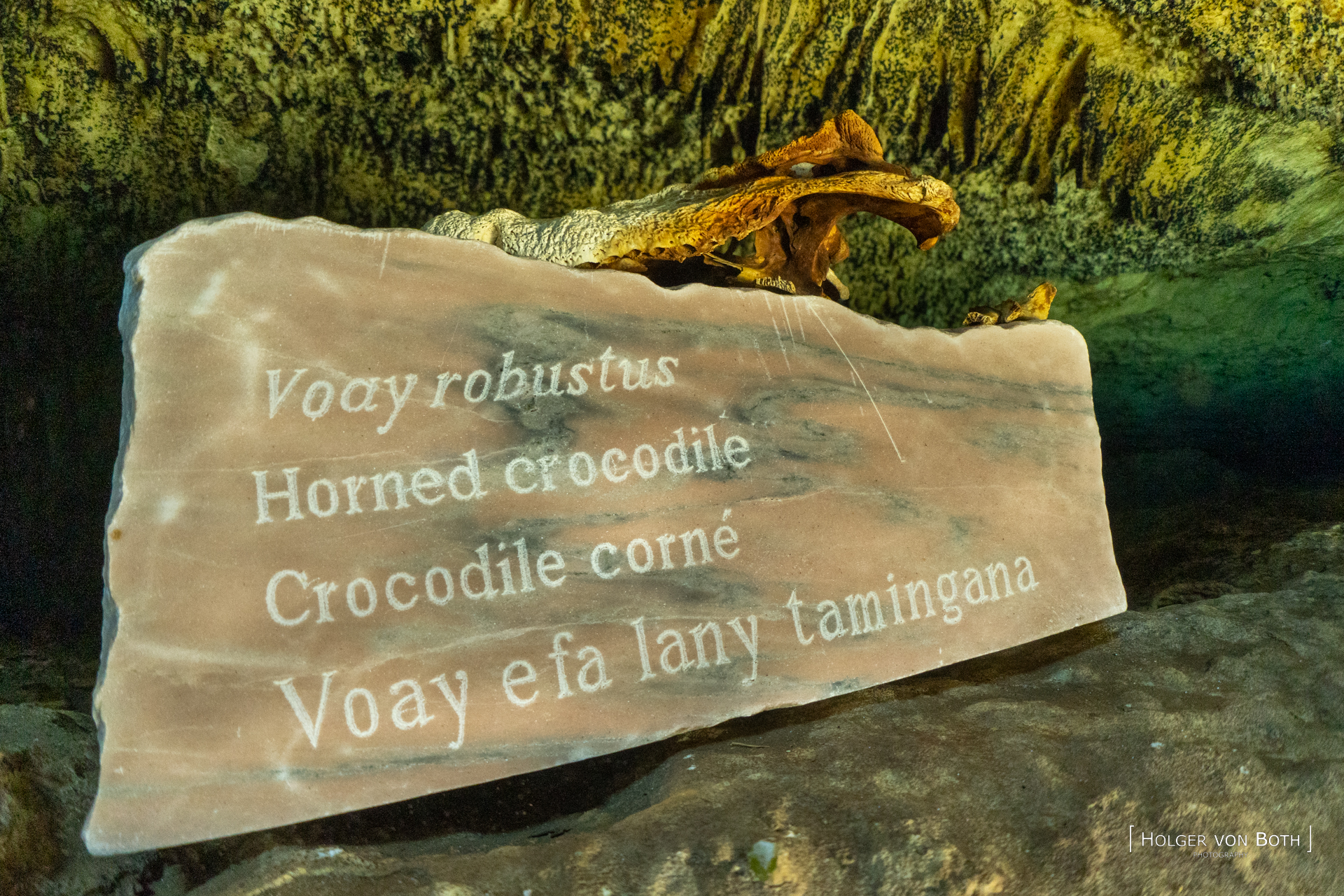
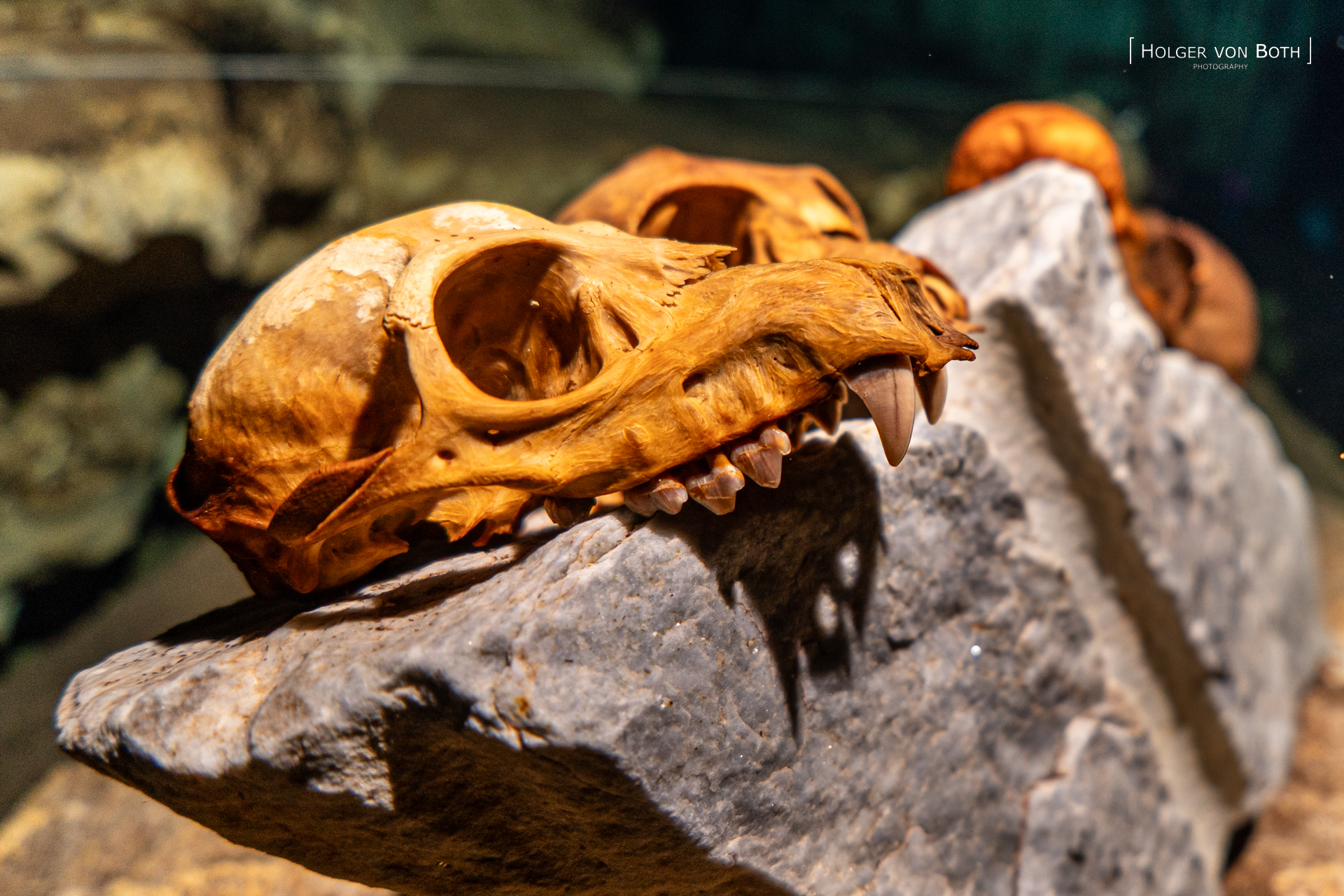
In several sections, crocodile bones and giant lemur skulls can be found resting on the cave floor, reflecting the close connection between the flooded cave systems and the surrounding environment of Tsimanampetsotsa National Park.
Mikea Forest Region
The isolation of the region, together with its traditional landscapes and limited accessibility, contributes significantly to the character of cave exploration within the Mikea Forest area.
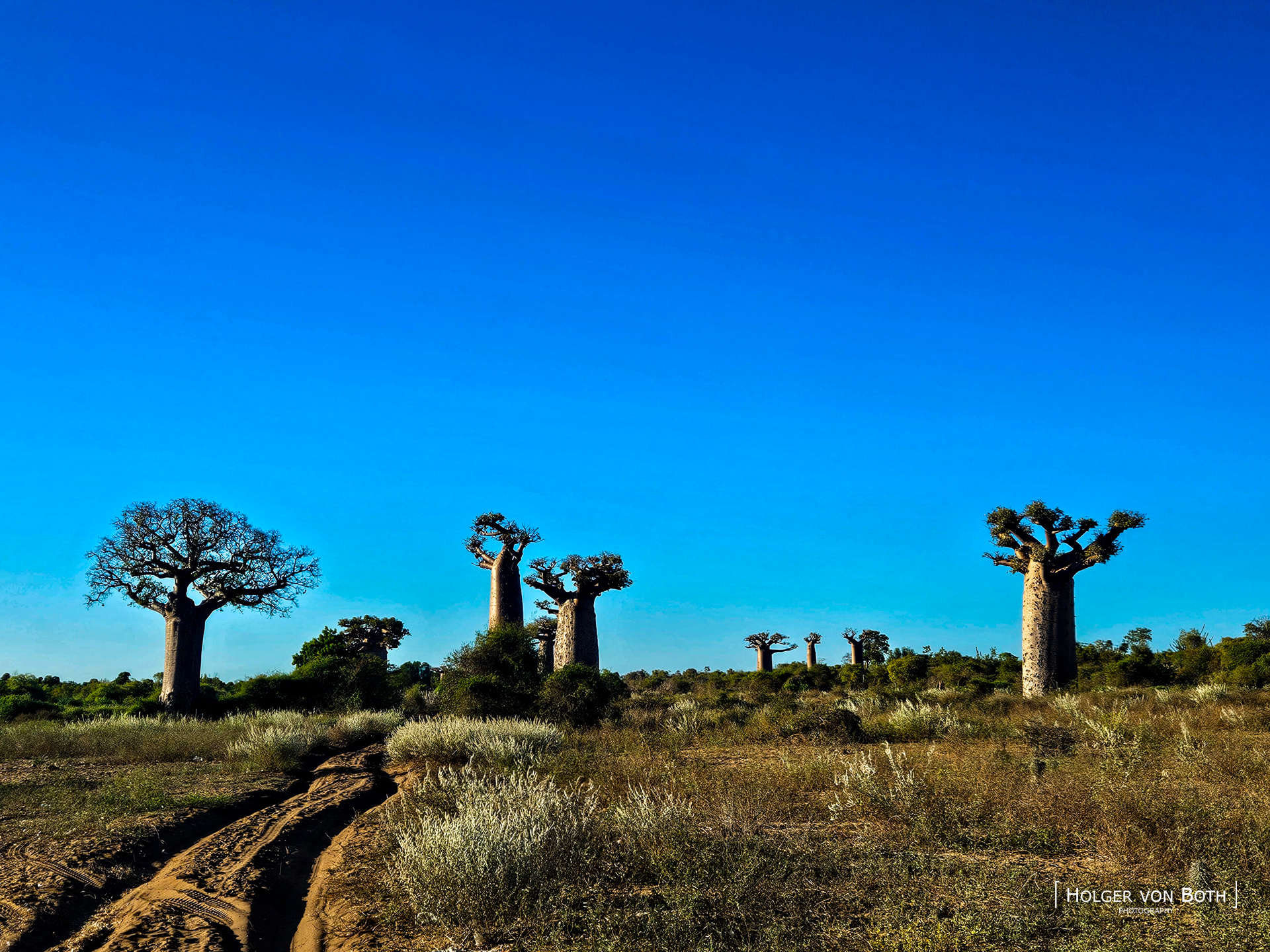
Long journeys through the forest environment form an essential part of reaching the cave systems hidden beneath the region. The contrast between the dry surface landscape and the submerged passages below contributes strongly to the atmosphere of cave exploration within the Mikea Forest area.
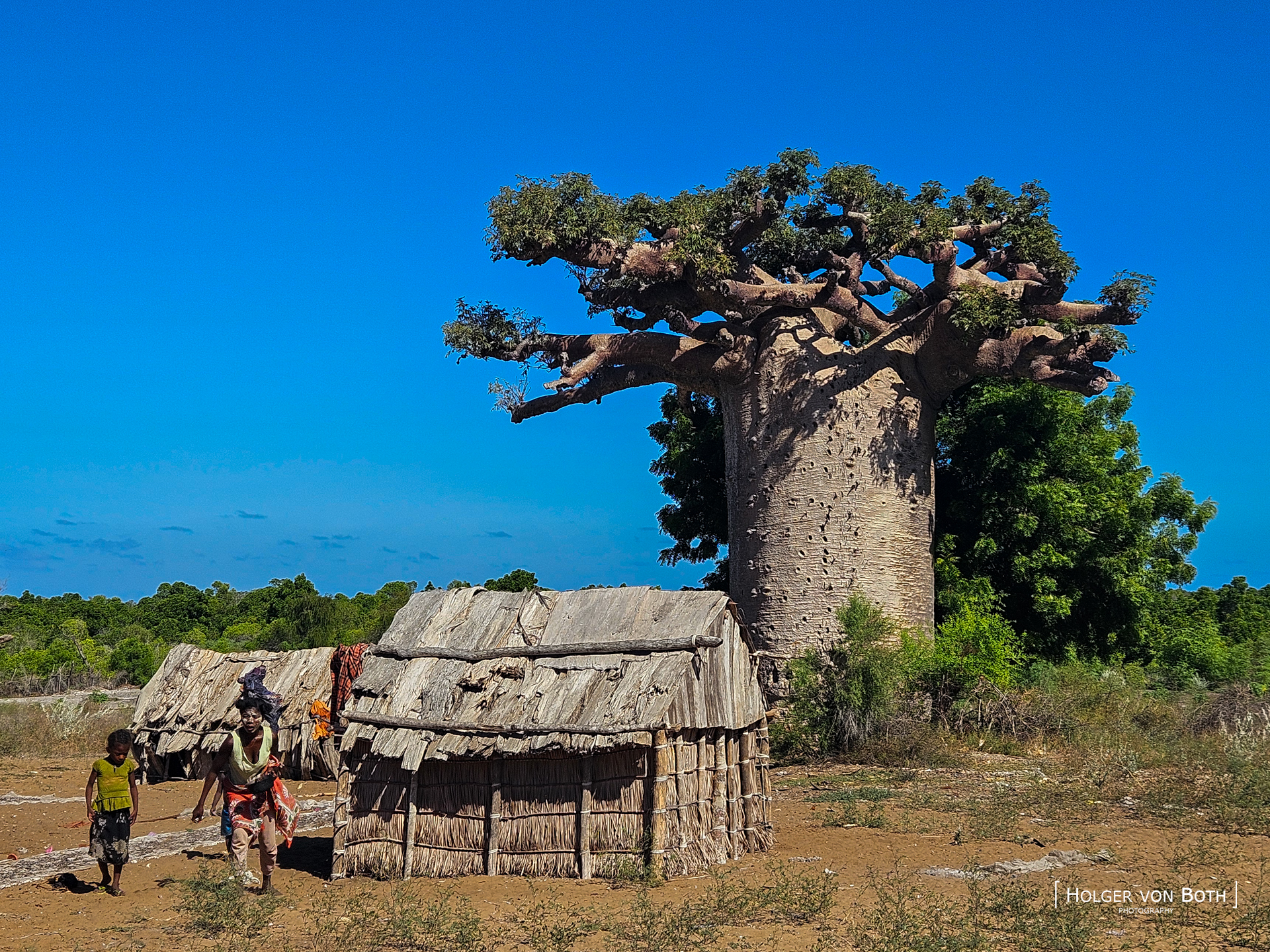
The Mikea Forest region of western Madagascar is characterised by dry forests, sandy tracks, isolated settlements and remote limestone landscapes far away from established travel routes and infrastructure. Parts of the region are inhabited by Mikea communities whose traditional way of life remains closely connected to the surrounding forest environment.
The relationship between the local communities, the landscape and the cave systems forms an important part of the broader atmosphere surrounding exploration within this remote region of Madagascar.

Anjanamba
Located within the remote Mikea Forest region, Anjanamba is regarded as the longest known flooded cave system in Africa. The cave lies far away from established infrastructure and remains only lightly explored and documented.
The surrounding Mikea Forest adds another distinctive dimension to the experience of exploring this region of Madagascar. Dry forests, sandy tracks, isolated settlements and the traditional way of life of the local communities form an essential part of the atmosphere surrounding Anjanamba.
Inside the cave, long submerged passages extend beneath the forest landscape above. The remoteness of the region and the limited number of documented dives have contributed to preserving the cave in a remarkably original condition.
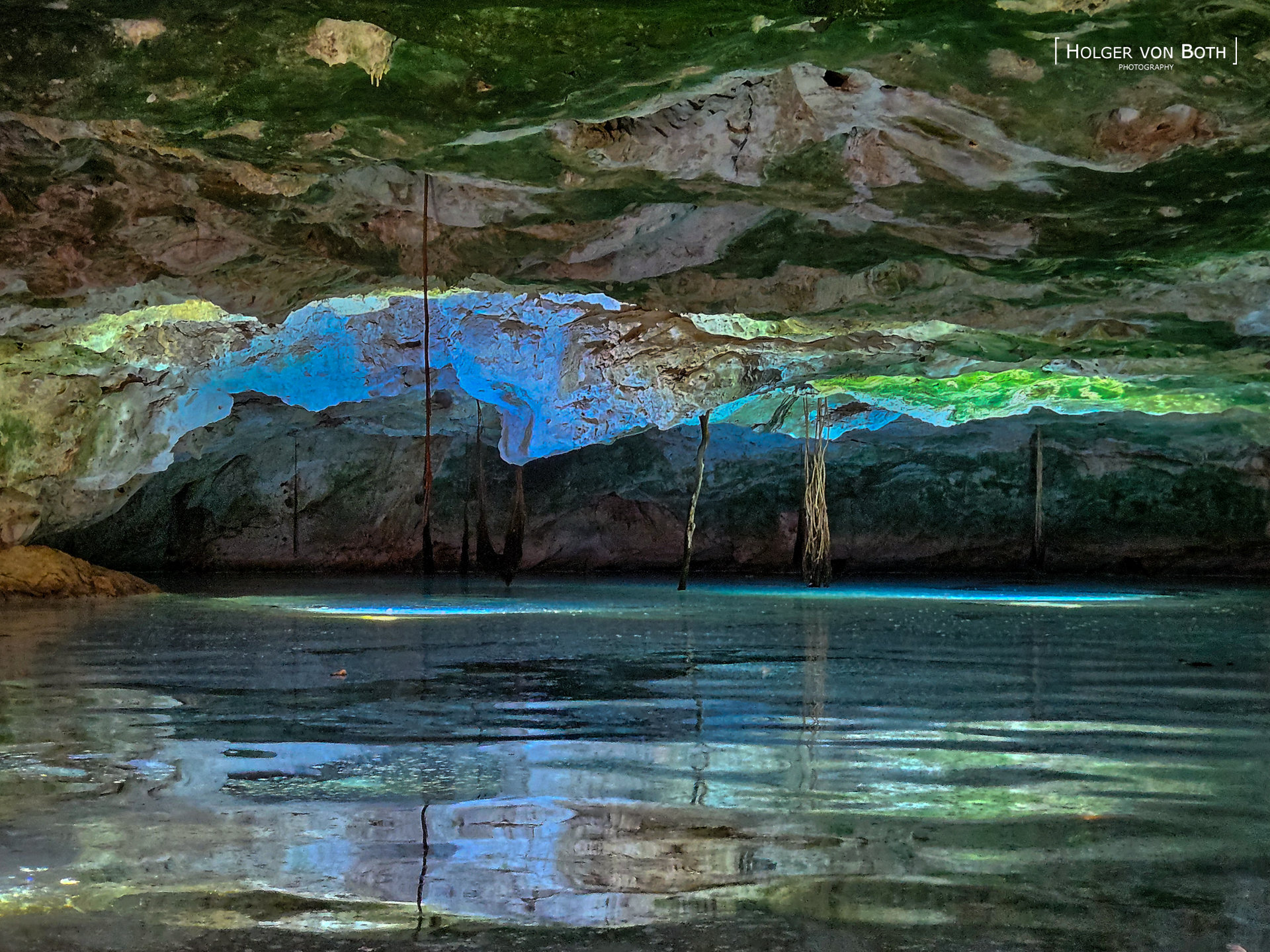
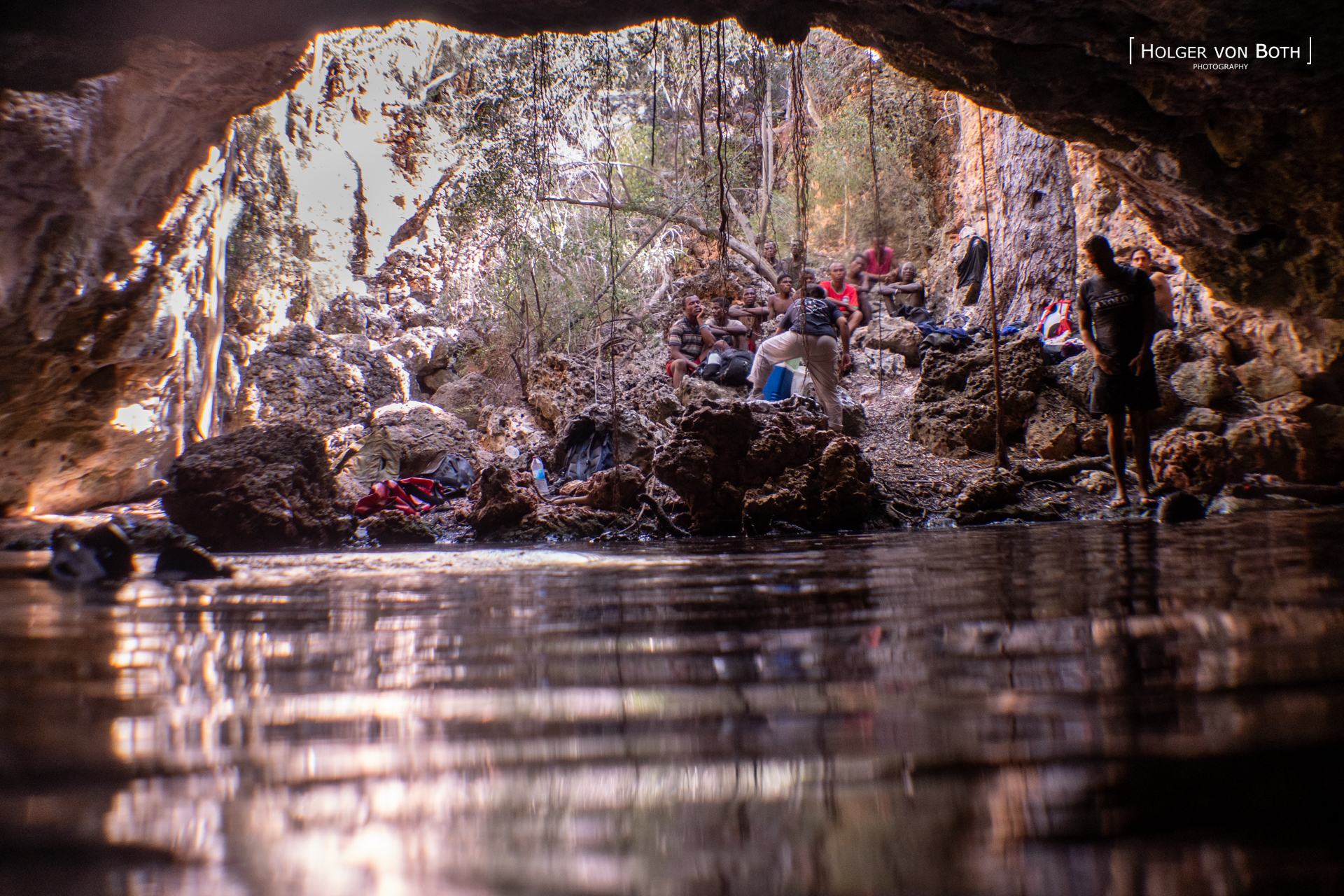
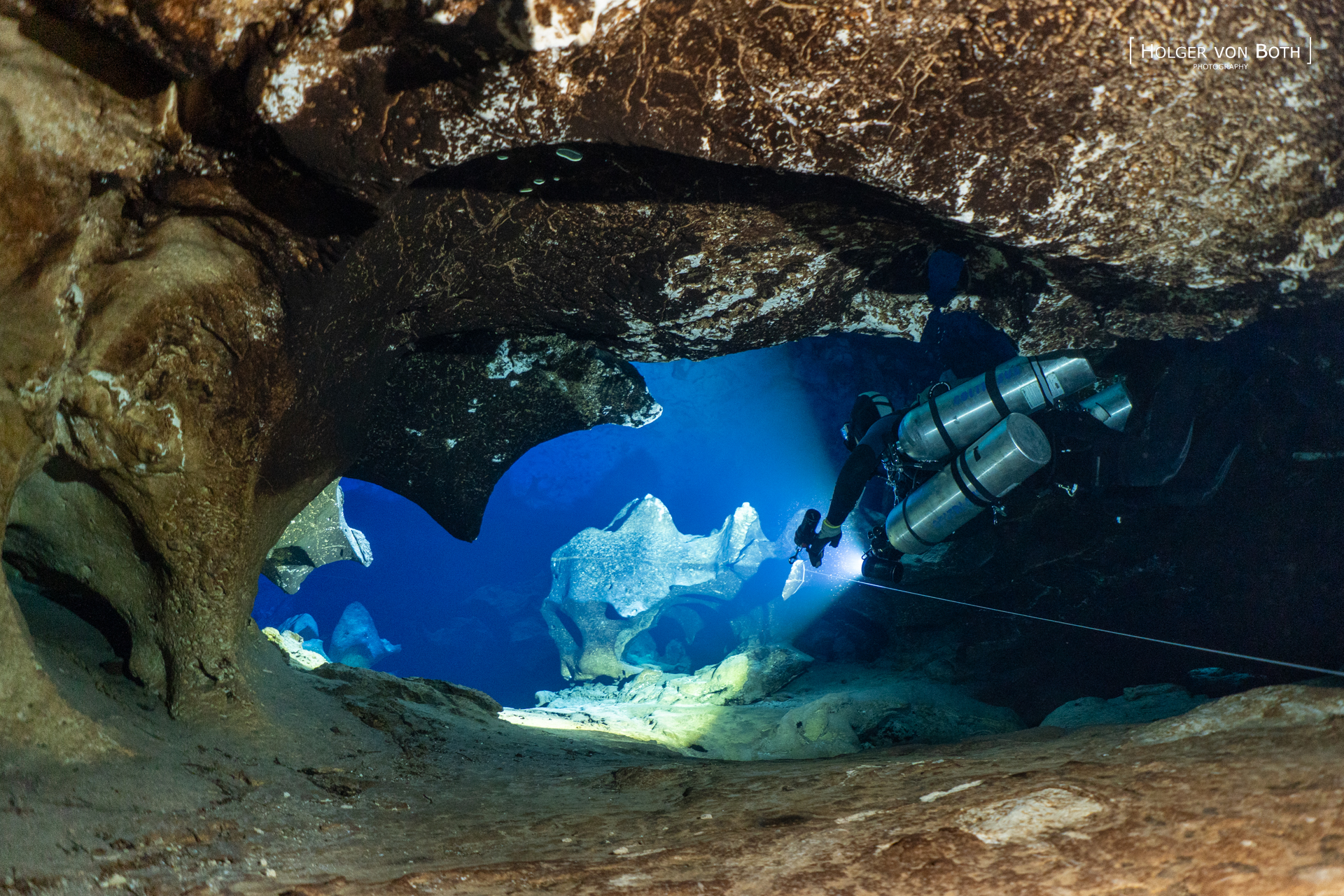
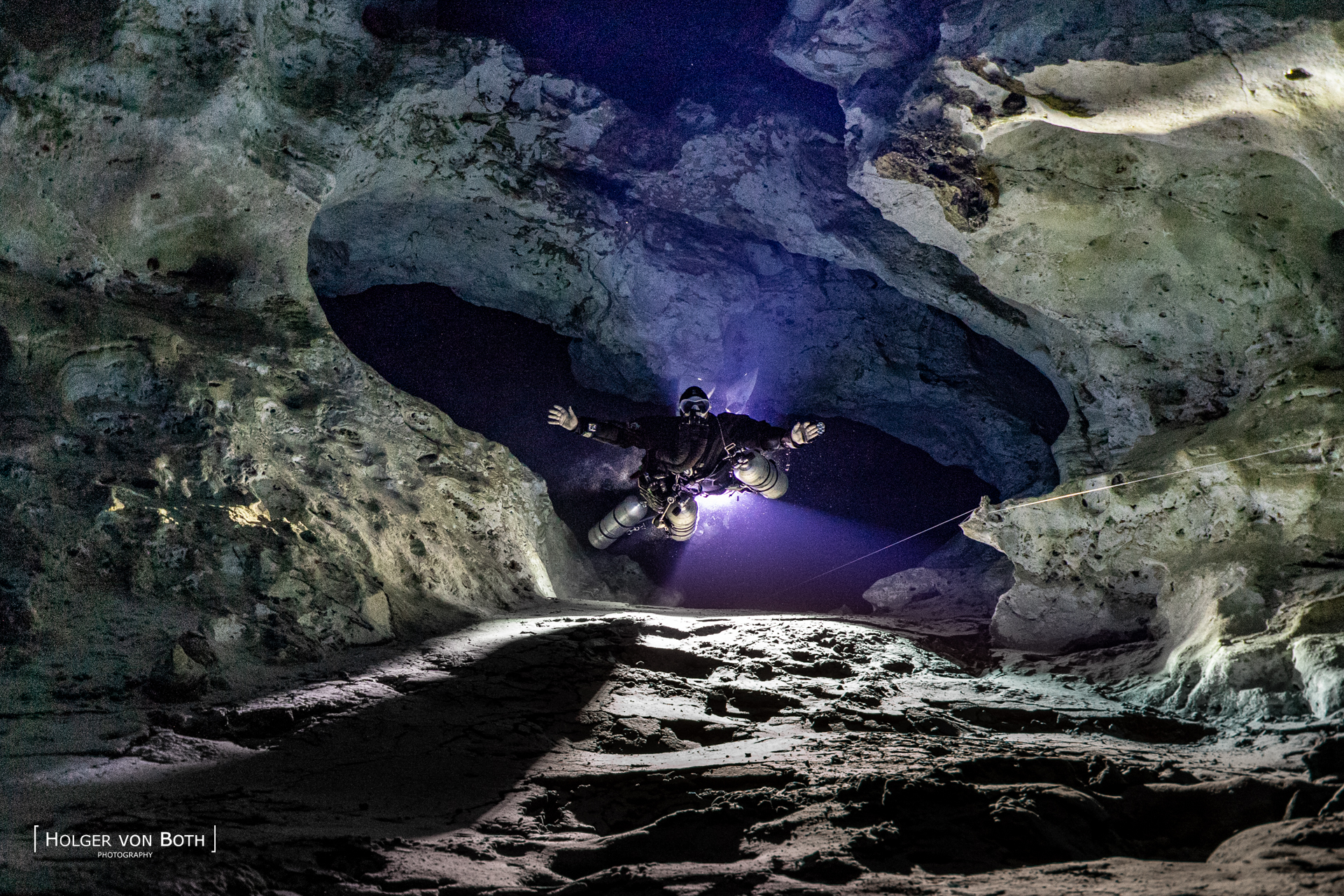
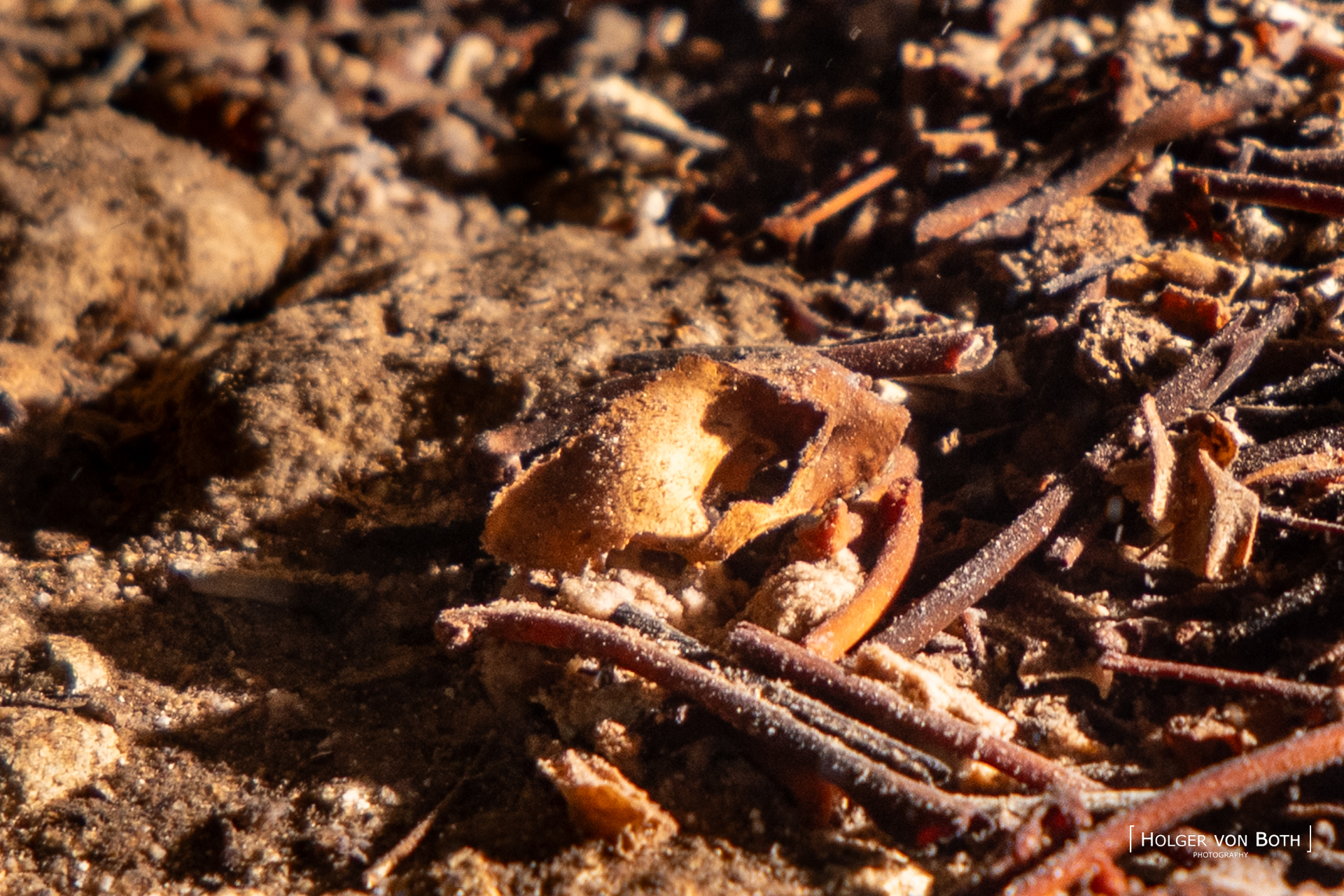
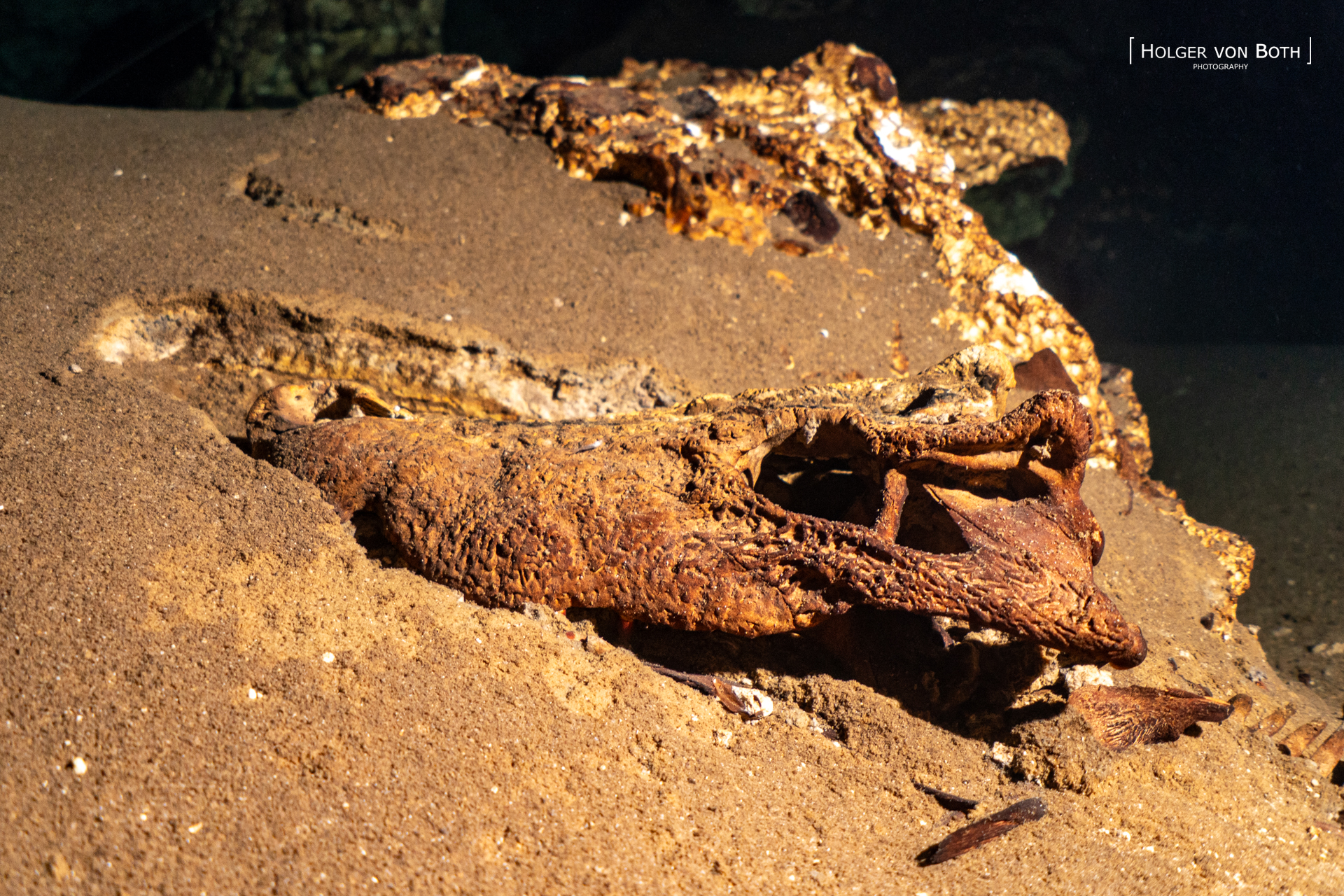
Within the air-filled sections of the cave system, preserved bat bones and bat skulls can be found beneath large bat colonies inhabiting the dry chambers above the submerged passages. In other areas, crocodile skulls and skeletal remains reflect the close connection between the underground environment and the surrounding landscape of the Mikea Forest region.
Regional Characteristics
Madagascar is characterised by remote flooded cave systems, long travel distances, minimal infrastructure and carefully controlled cave access.
The region is characterized by:
- Extreme remoteness
- Tropical conditions
- Sacred cave systems
- Challenging logistics
- Highly preserved underwater environments
Acknowledgements
Special thanks to the Madagascar Cave Diving Association for making these dives and explorations possible through their trust, permission, logistical support and continued exploration efforts within Madagascar’s remote cave systems.
Additional thanks to Axolot Diving Expeditions for organizing and supporting this expedition experience.
Other Underwater Environments
If you are interested in exploring more underwater environments, you can also view galleries from: