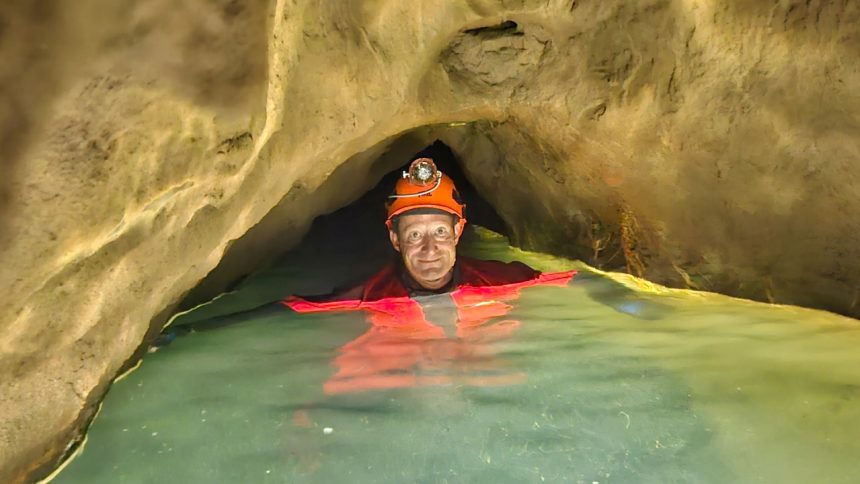
Switzerland is an important base for my work in underwater exploration, technical diving, photography, and technology development. While my projects take me to remote and extreme underwater environments around the world, Switzerland provides the operational stability to structure, document, and develop long-term initiatives. The country combines alpine landscapes with a wide range of freshwater diving environments, including deep lakes, wreck sites, and complex cave systems.
Freshwater Diving Environments in Switzerland
Switzerland offers numerous lakes with exceptional visibility, cold freshwater, and highly varied underwater terrain. These environments include vertical rock walls, submerged forests, wreck sites, and structured geological formations. Together, they form one of the most diverse freshwater diving regions in Europe for technical diving, training, and underwater documentation.
Lake Systems
Lake Constance (Bodensee)
Lake Constance lies on the border between southwest Germany and northeast Switzerland and offers a wide range of dive sites. Among the most distinctive formations is the “Teufelstisch” (Devil’s Table), a unique underwater rock structure. Another highlight is the wreck of the Jura, a paddle steamer from 1854 resting at approximately 36 meters depth. The lake combines historical wreck diving with accessible freshwater conditions and supports both training and advanced technical dives.
More information and image material can be found on the Germany page.
Lake Zurich (Zürichsee)
Lake Zurich provides a structured selection of dive sites suitable for different experience levels. The Au Peninsula features underwater cliffs, drop-offs, and rich aquatic ecosystems and is also a well-known recreational area above water. The Kilchberg area offers submerged forest sections, rock formations, and remnants of older wooden structures and boats.
Lake Walen (Walensee)
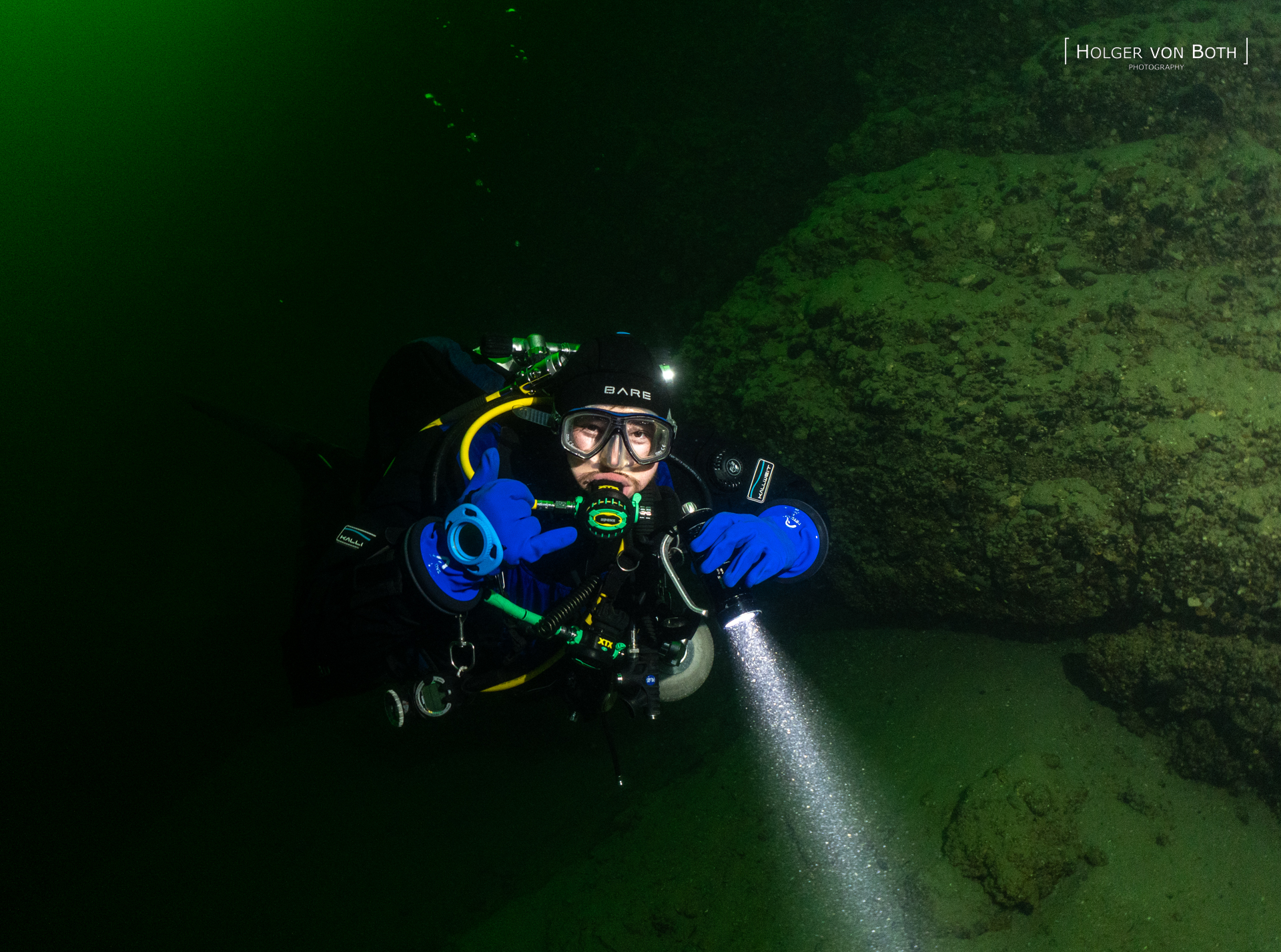
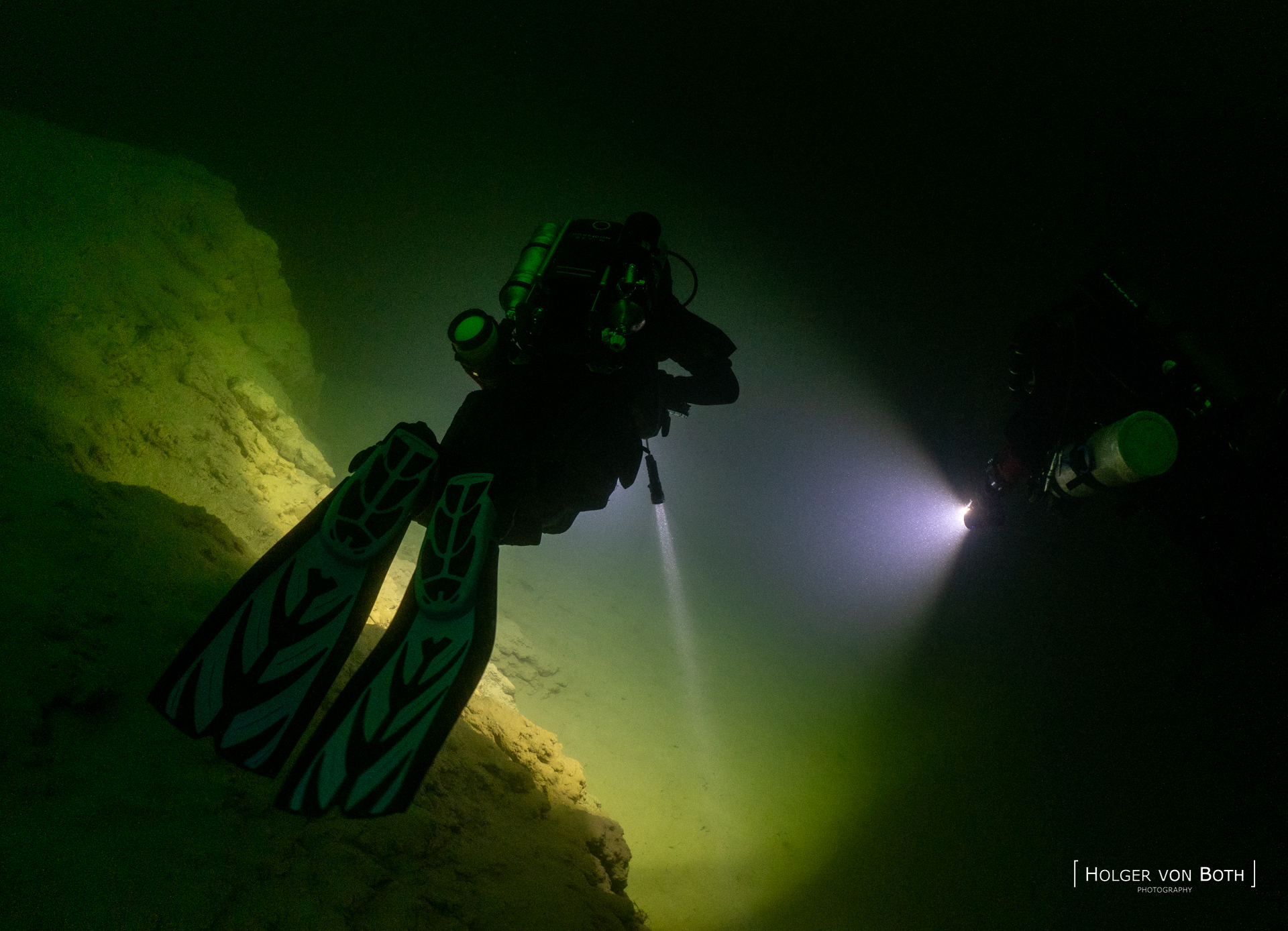
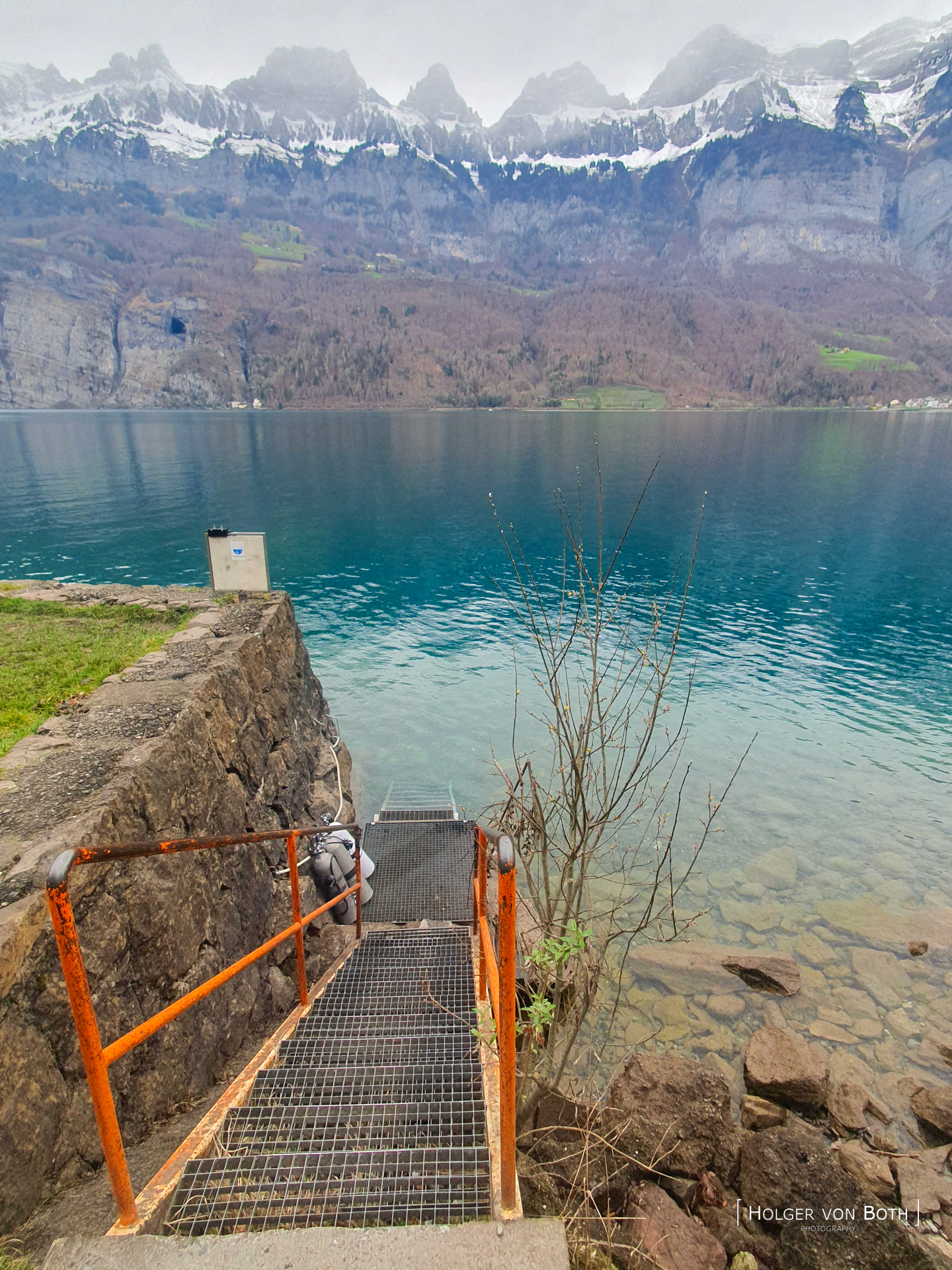
Lake Walen is defined by deep, clear water and steep alpine topography. The Betlis dive site features vertical rock walls and dramatic underwater cliffs descending into significant depth, creating demanding technical diving conditions. A short hike leads to the Ringquelle spring and the Seerenbach waterfalls, a major natural landmark in the region. The Ringquelle is a natural spring with exceptionally clear, cold water emerging directly from the ground. The Seerenbach waterfalls consist of three cascades with a total height of 585 meters, making them among the highest waterfalls in Switzerland. The highest single drop measures 305 meters. A viewing platform allows direct observation of the falls.
Diving Site Highlight – Ledi Wrecks
Lake Walen is also home to the Ledi wrecks, a series of wooden cargo barges (“Ledischiffe”) that sank in the 19th and early 20th centuries.
The wrecks lie at approximately 32 meters depth and are spaced around 30 meters apart. They were originally used for cargo transport across the lake before modern logistics systems existed. Over time, several vessels sank due to storms or accidents and now rest on the lakebed. Today, they form a structured underwater historical site. Divers will find largely intact wooden remains, partially covered in silt and algae, creating a distinctive underwater landscape. Due to depth and conditions, the site is recommended for experienced technical divers.
Lake Thun (Thunersee)
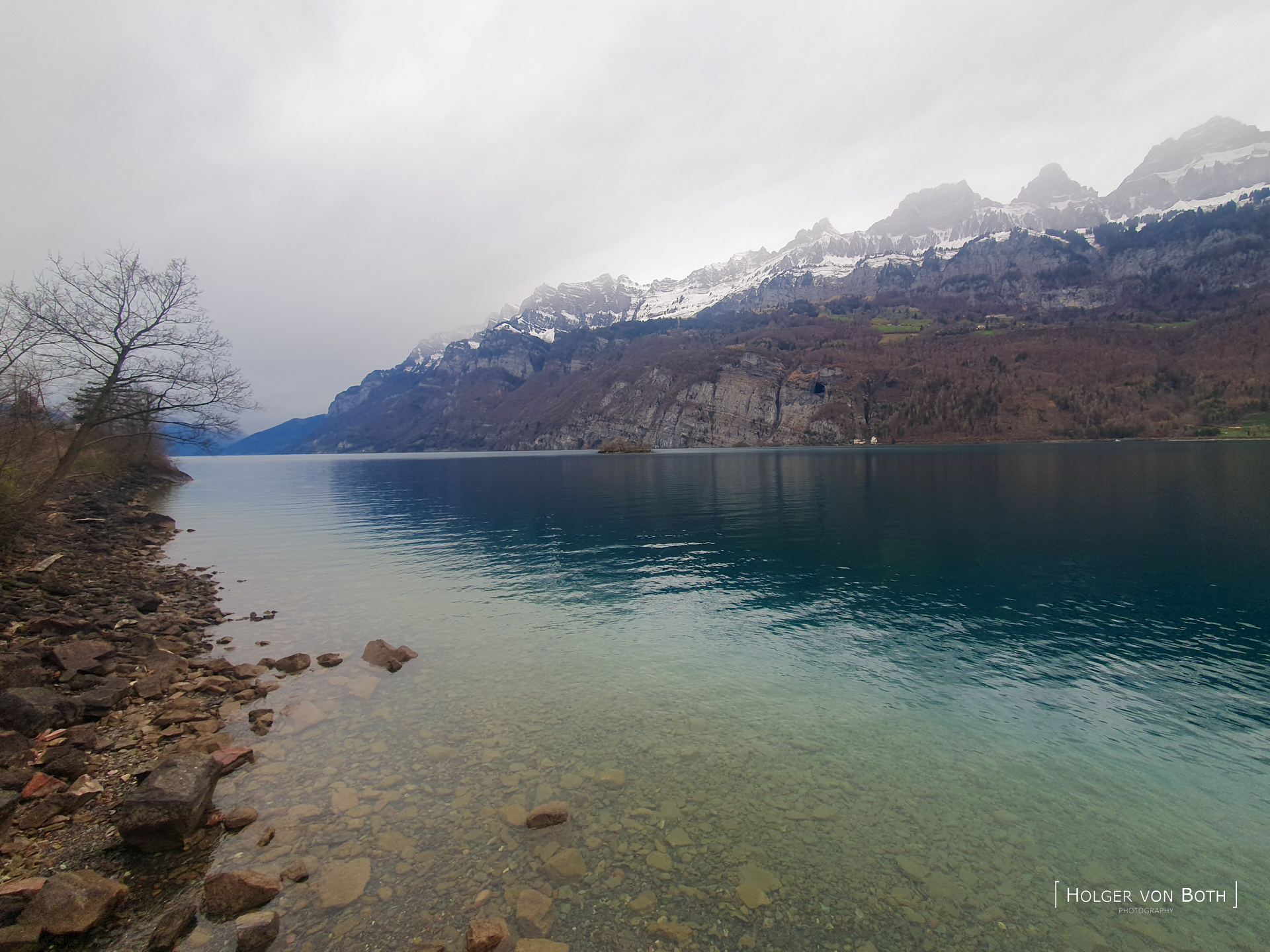
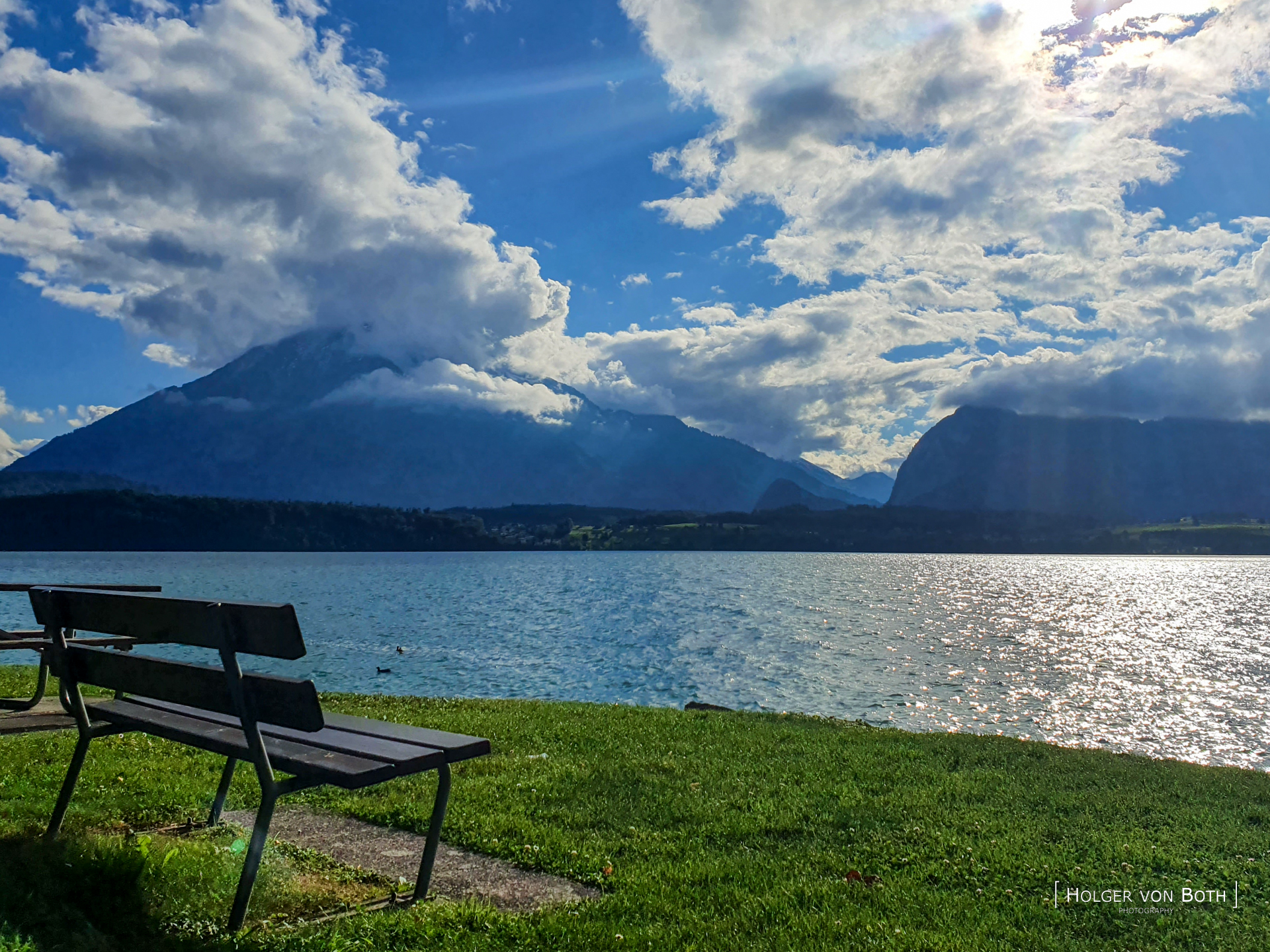
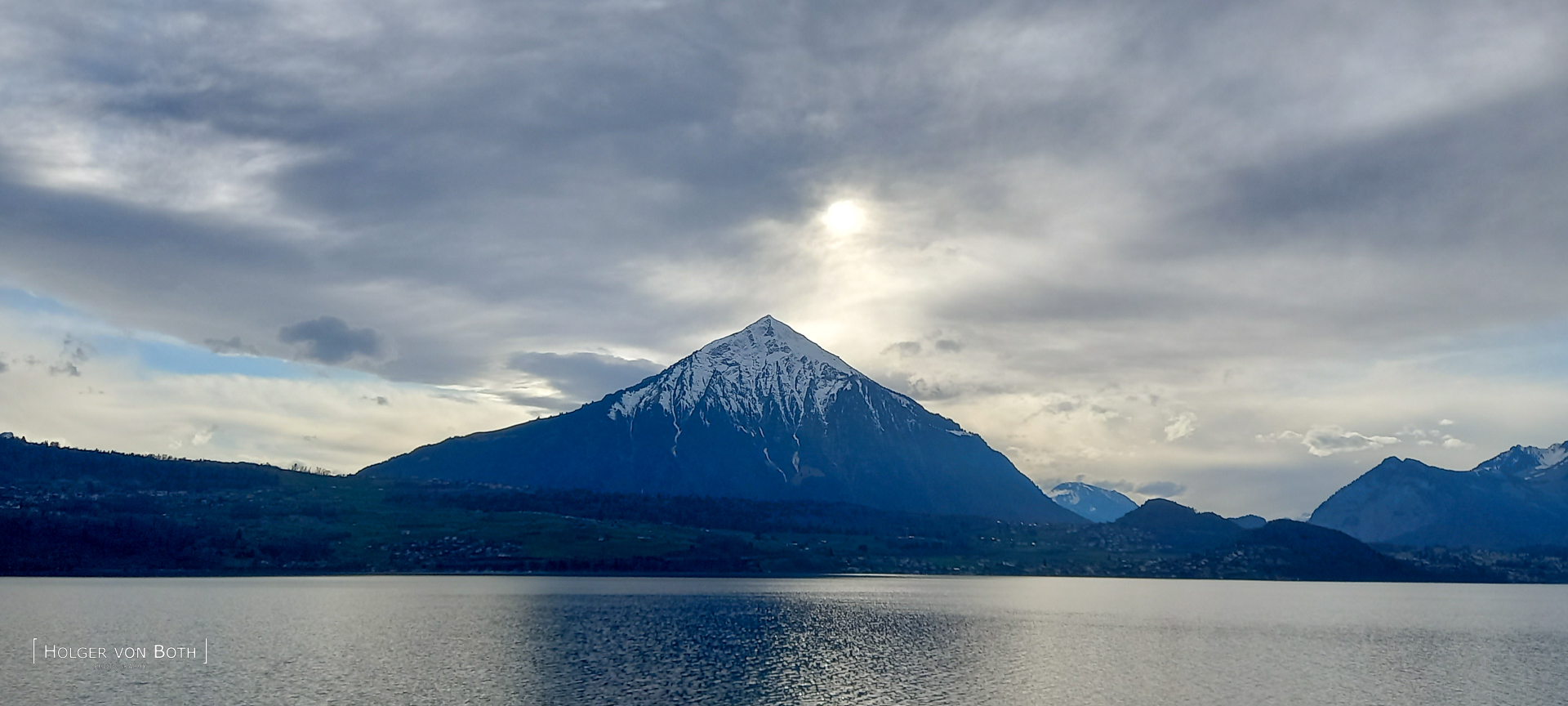
Lake Thun, located in the Bernese Oberland, is one of the most structured freshwater diving regions in Switzerland.
Beatenbucht Dive Site
Beatenbucht features steep underwater rock walls, small caves, and crevices. It offers varying depths and is suitable for both novice and experienced divers. Visibility is particularly good in winter, although water temperatures require proper thermal protection. Aquatic life includes perch, eels, and pike, as well as vegetation attached to rock formations.
Fischbalme Dive Site
Fischbalme, near Spiez, offers a diverse underwater landscape with steep slopes, sandy areas, and large rock formations. The site is widely used for underwater photography and structured exploration dives. Fish species such as pike, perch, and smaller freshwater fish are commonly observed, along with dense underwater vegetation.
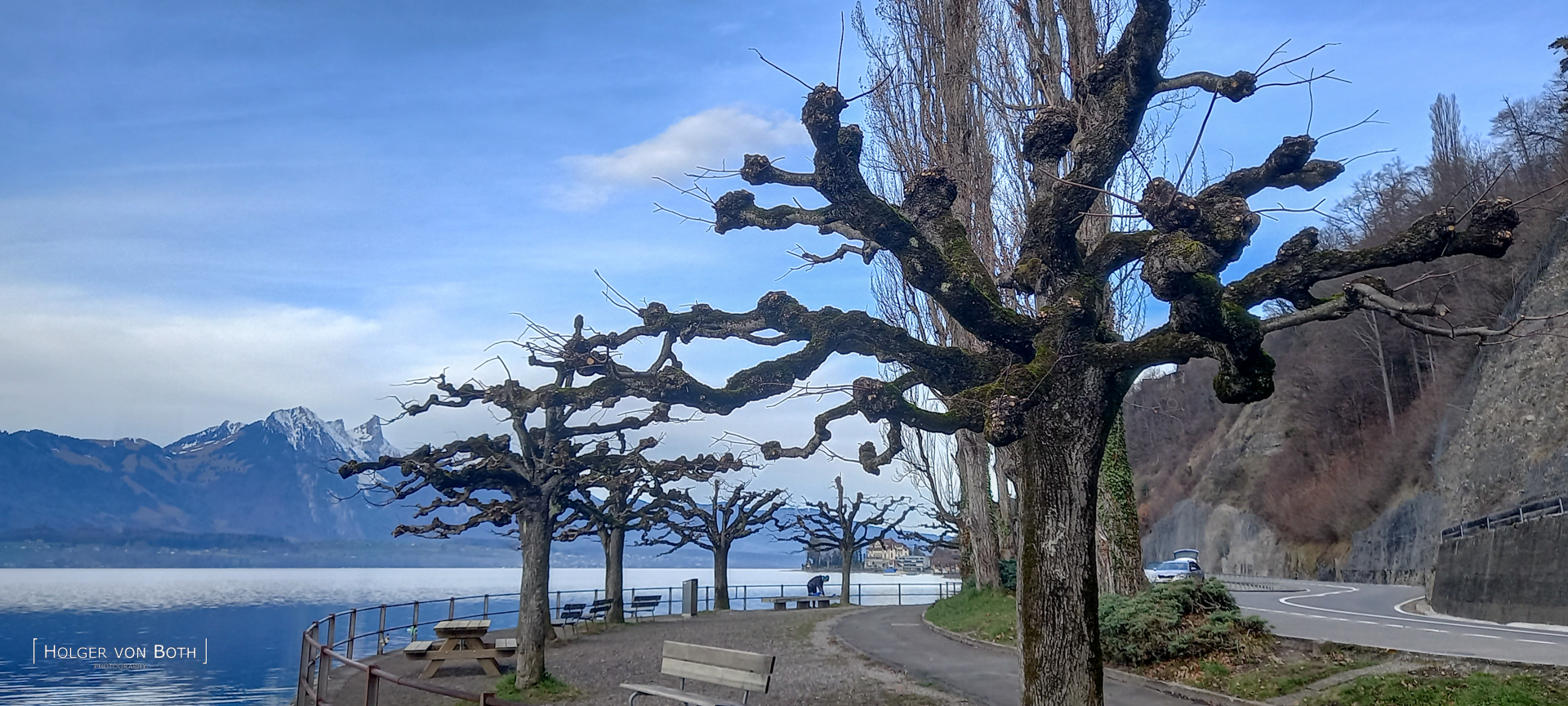
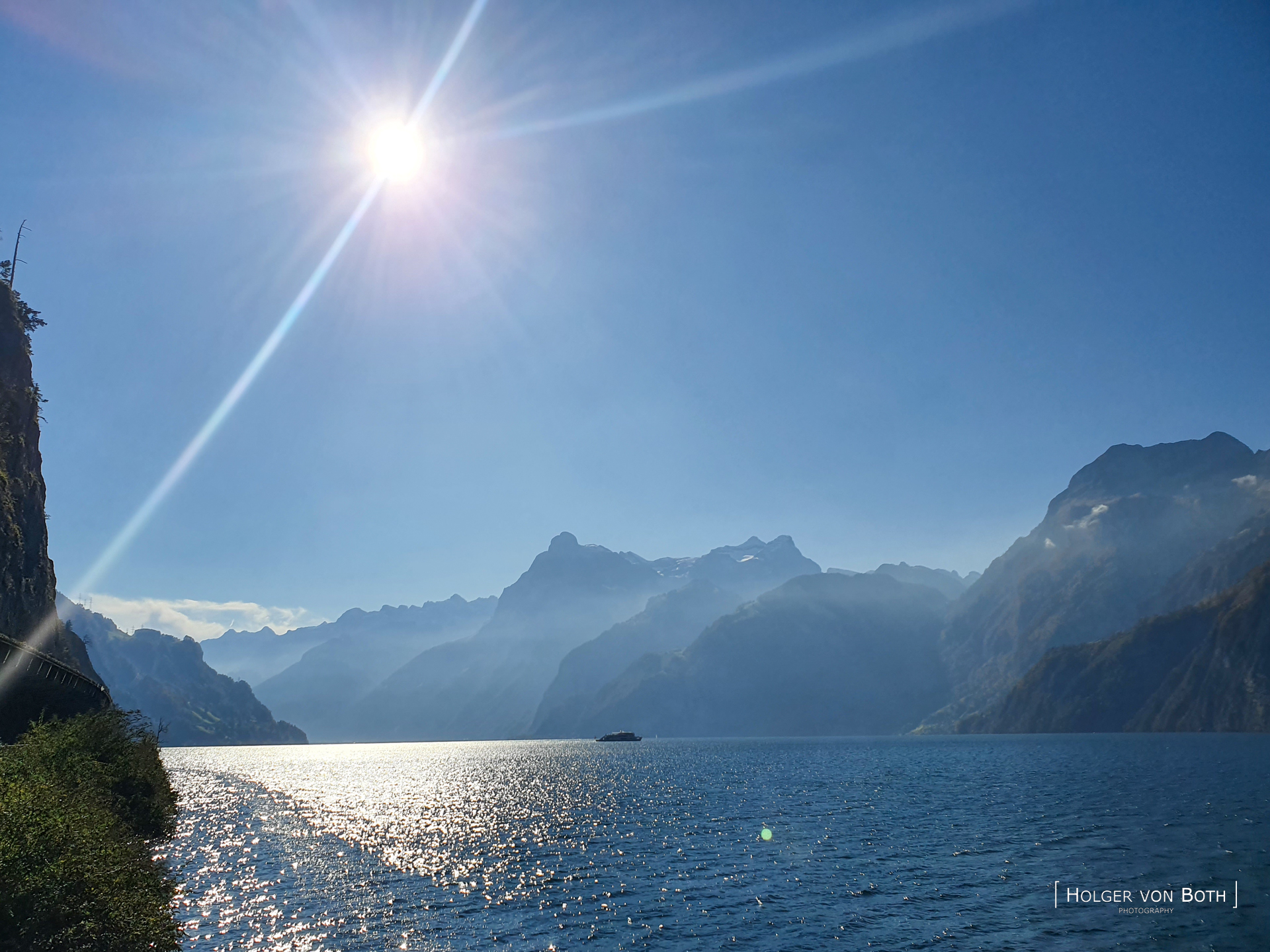
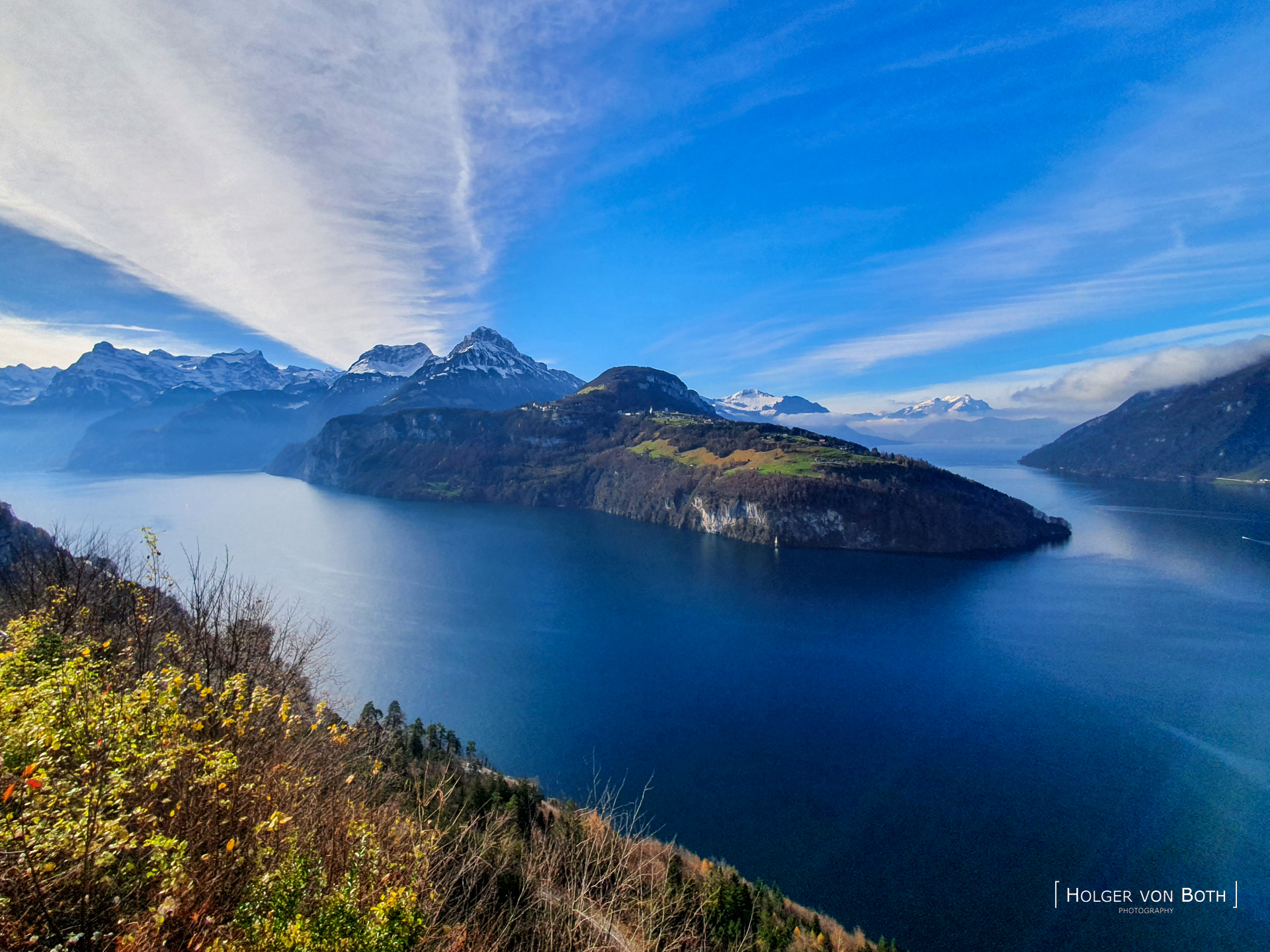
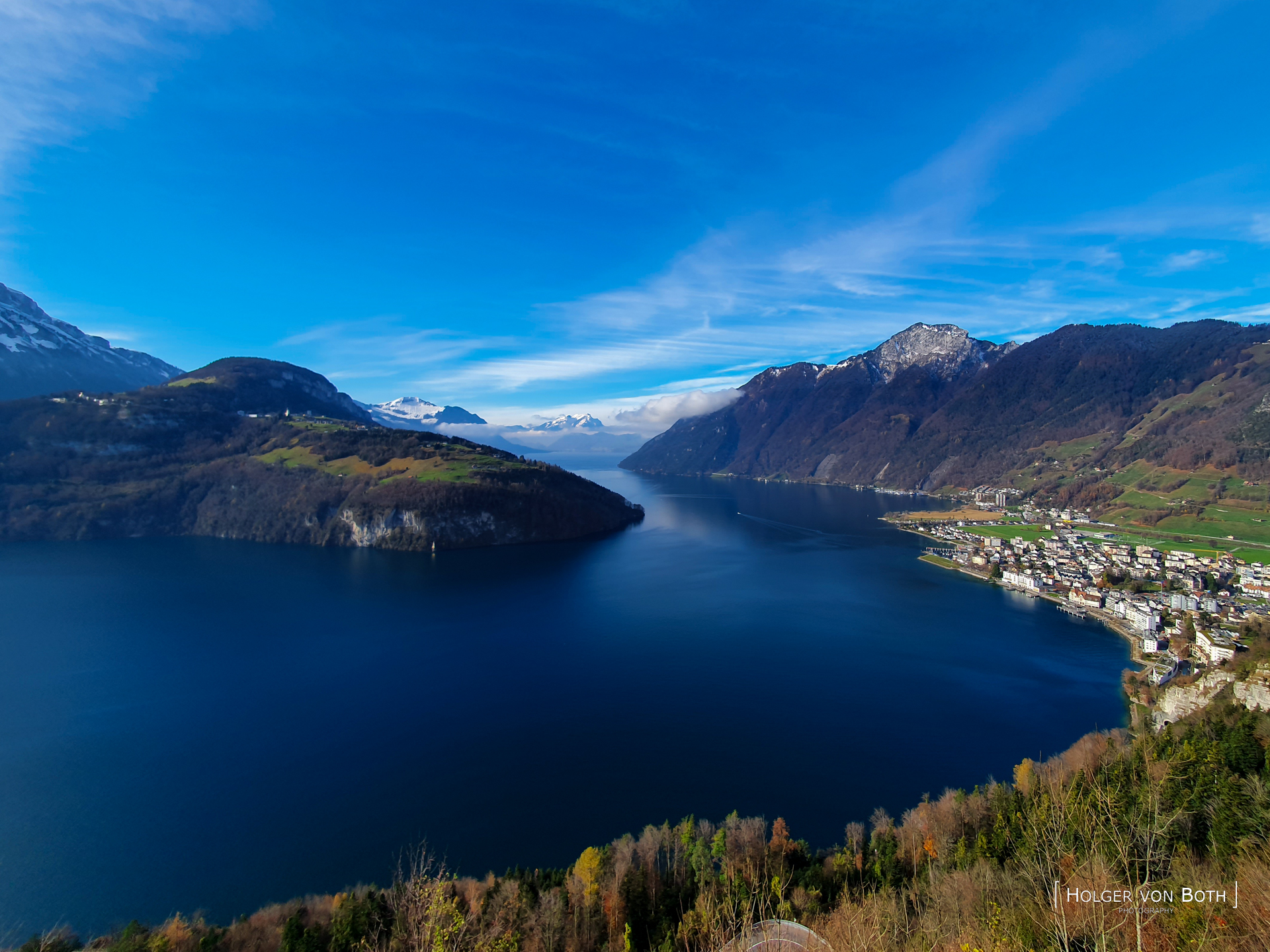
Lake Lucerne (Vierwaldstättersee)
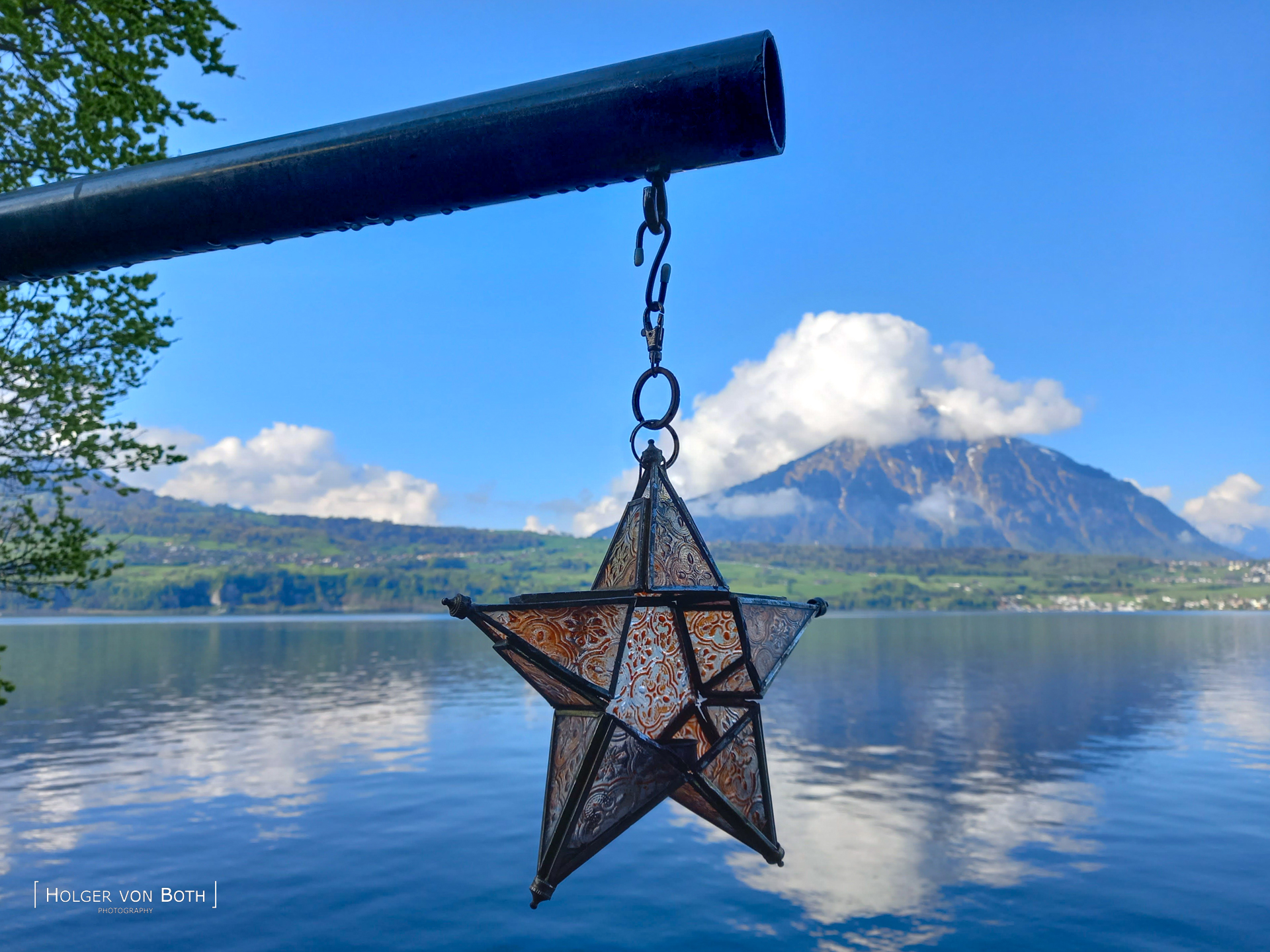
Lake Lucerne offers diverse underwater geology shaped by alpine and glacial processes. The Weggis site features rock walls and structured underwater landscapes. The Vitznau area includes complex underwater topography and submerged artifacts.
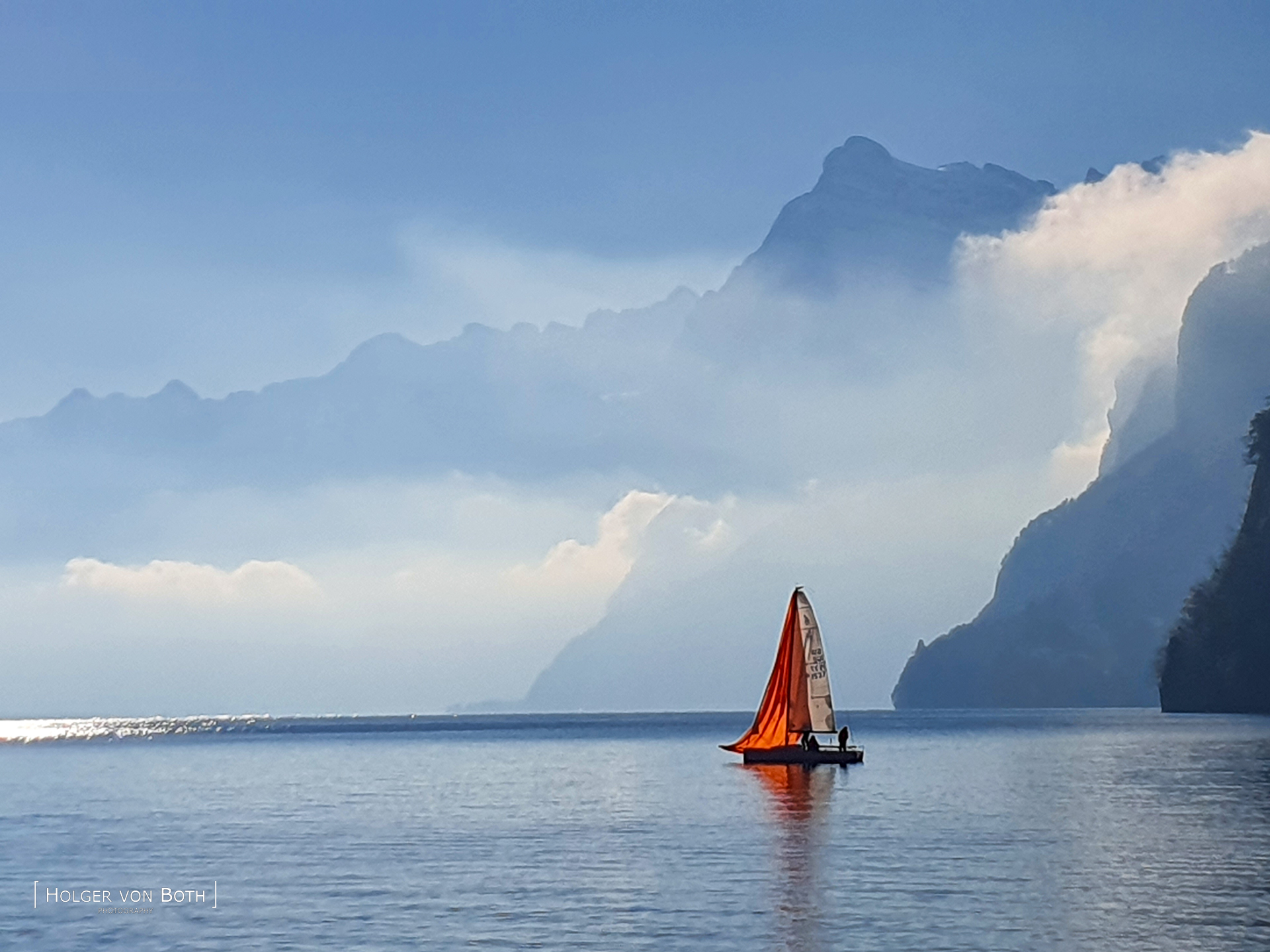
Lake Zug (Zugersee)
Lake Zug is a central Swiss dive location with clear water and structured underwater terrain. The Zigeunerplätzli site features underwater rock formations and steep walls between 20 and 40 meters depth. Clausenegg is known for underwater cliffs and geological formations. The lake is suitable for structured technical diving and training environments.
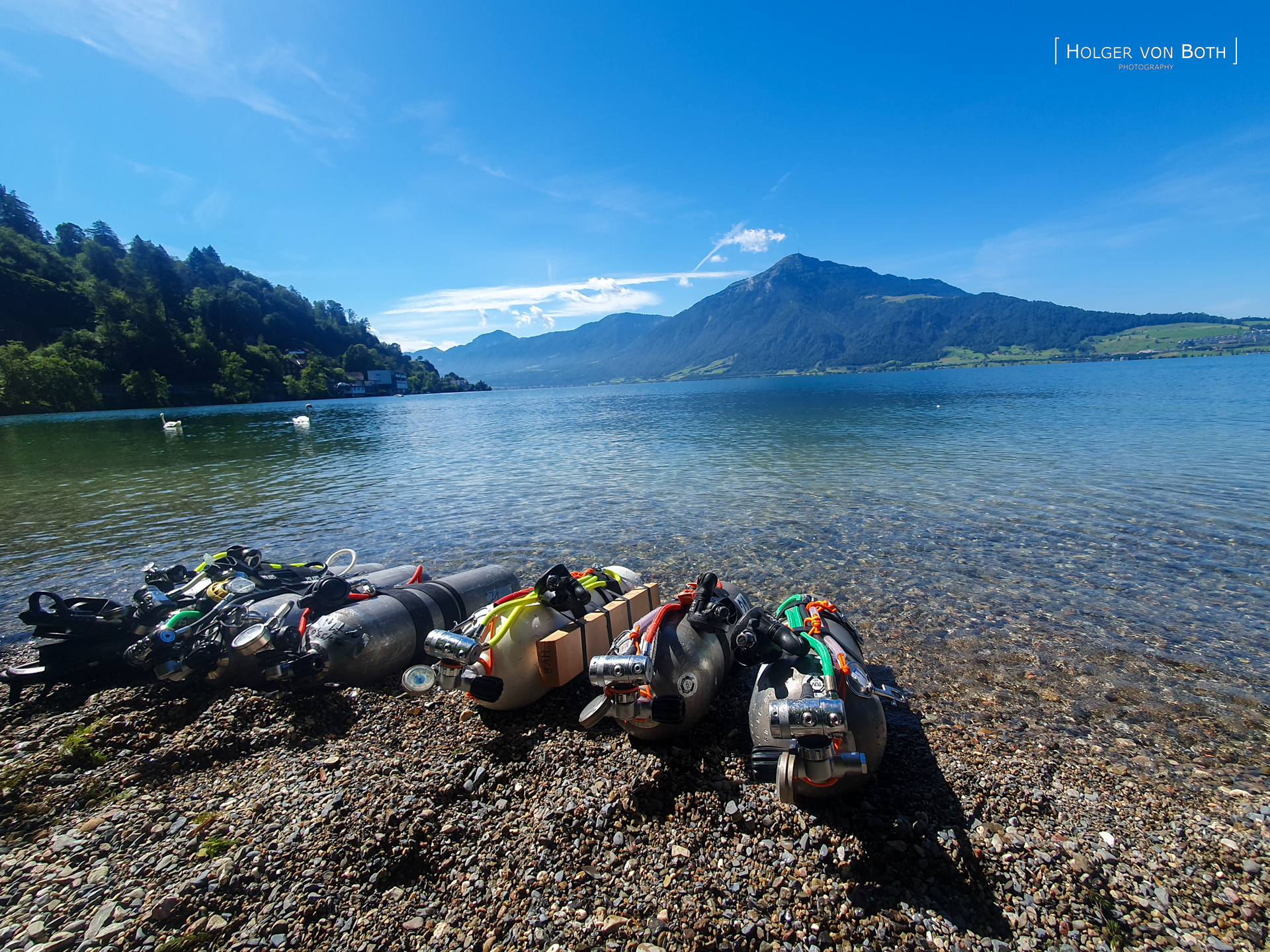
Cave Diving and Karst Systems
Switzerland’s limestone geology has created a wide range of cave systems and underground water networks. These environments include narrow passages, chambers, and complex structures requiring advanced technical diving skills. They represent some of the most demanding freshwater diving environments in Europe.
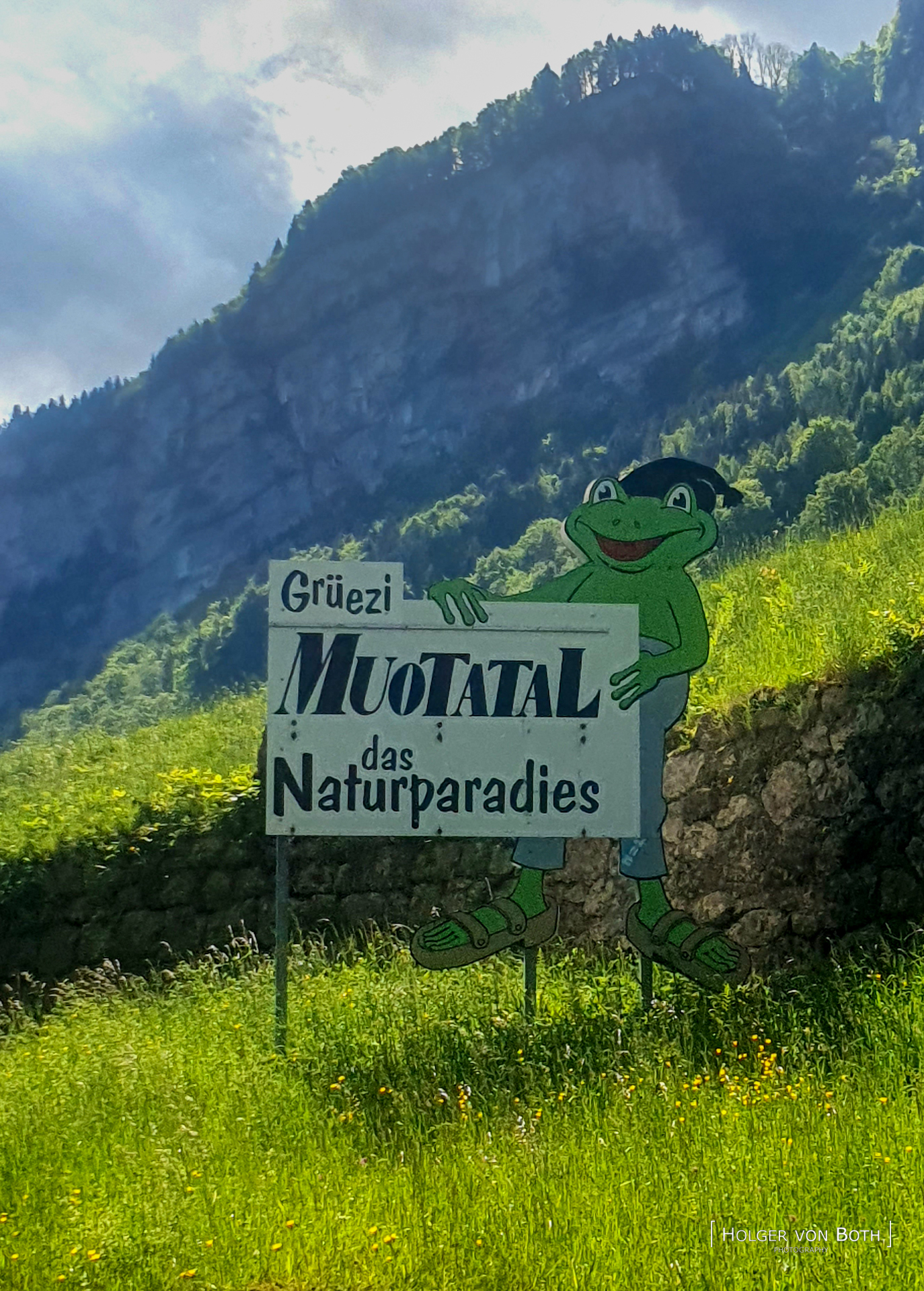
Caves and Geology – Muotathal
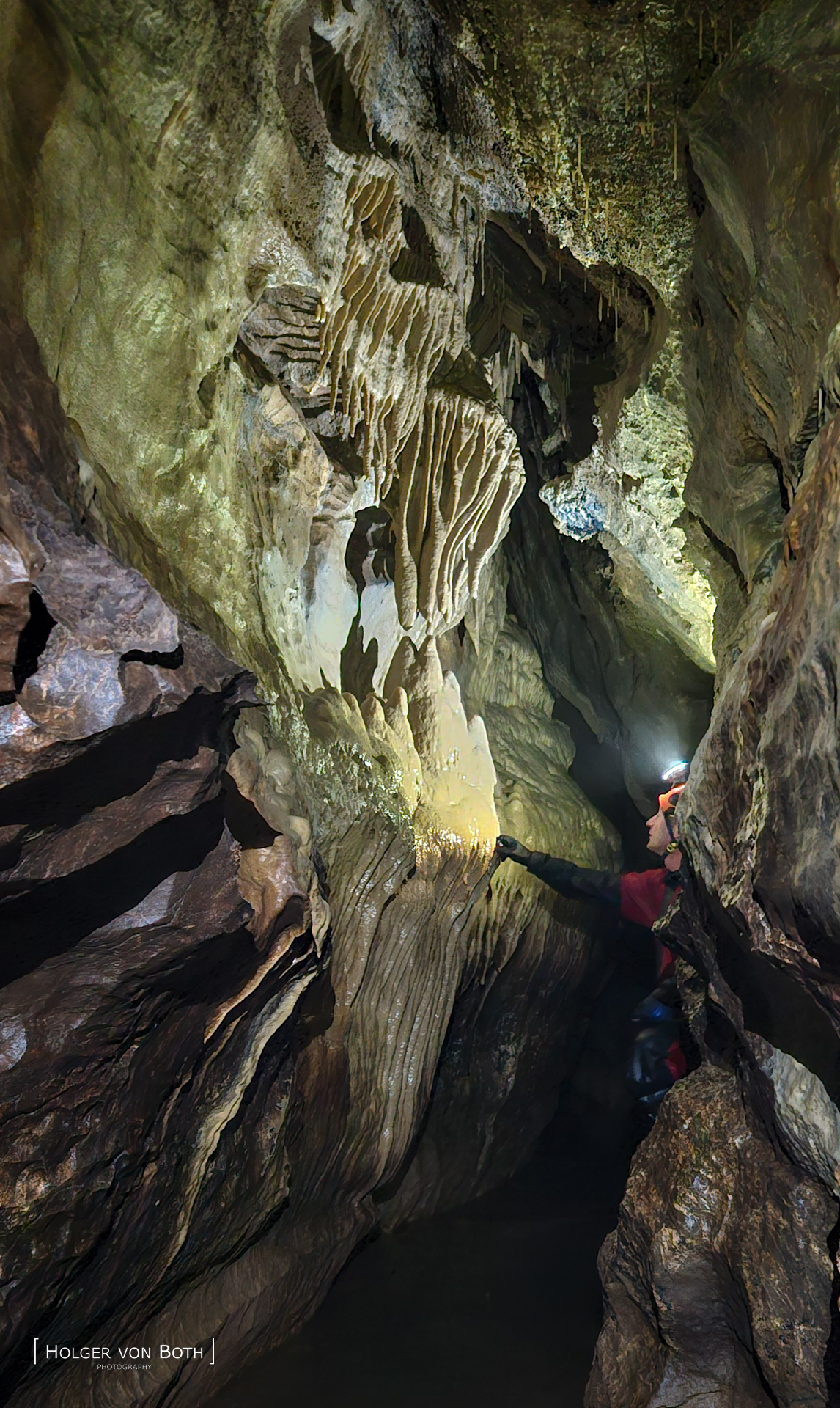
Muotathal, located in the Canton of Schwyz, is one of Switzerland’s most important karst regions. The area features extensive limestone formations and underground water systems shaped over millions of years.
Hölloch Cave
The Hölloch cave system extends over 200 kilometers, making it one of the largest cave systems in the world. It consists of a complex network of tunnels, passages, and chambers formed through long-term limestone erosion. The system is widely regarded as a reference site for large-scale cave exploration.
Brandloch Cave
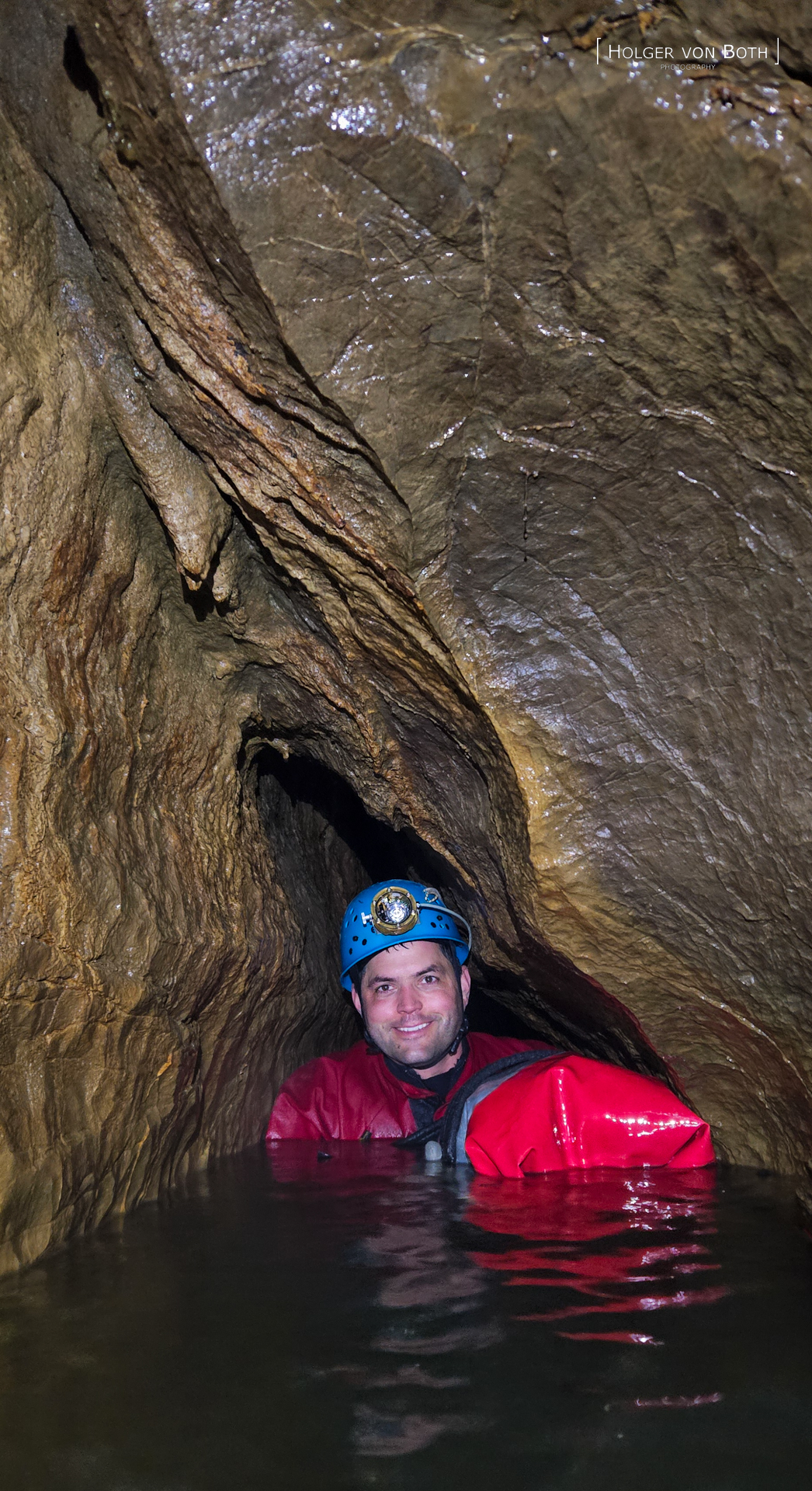
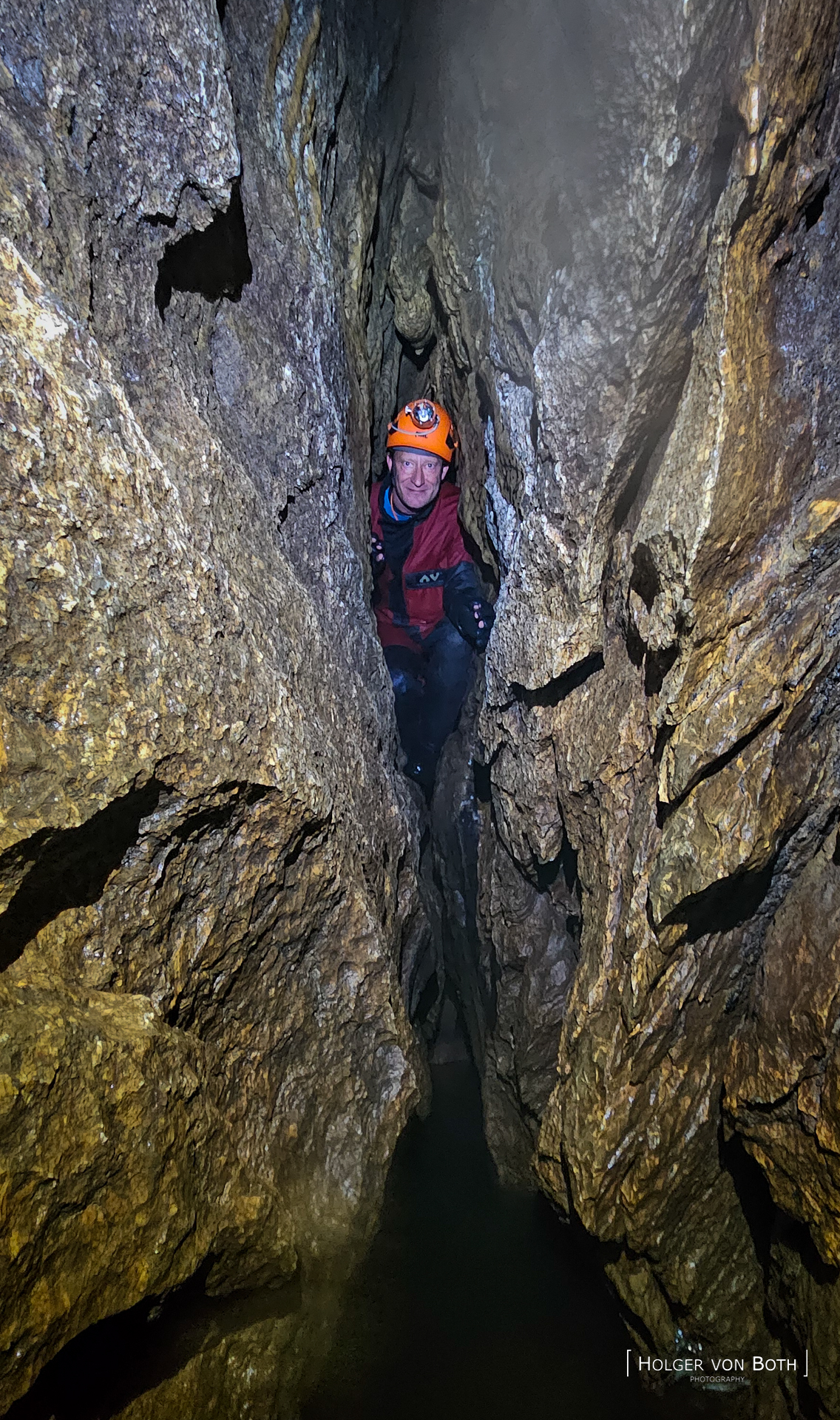
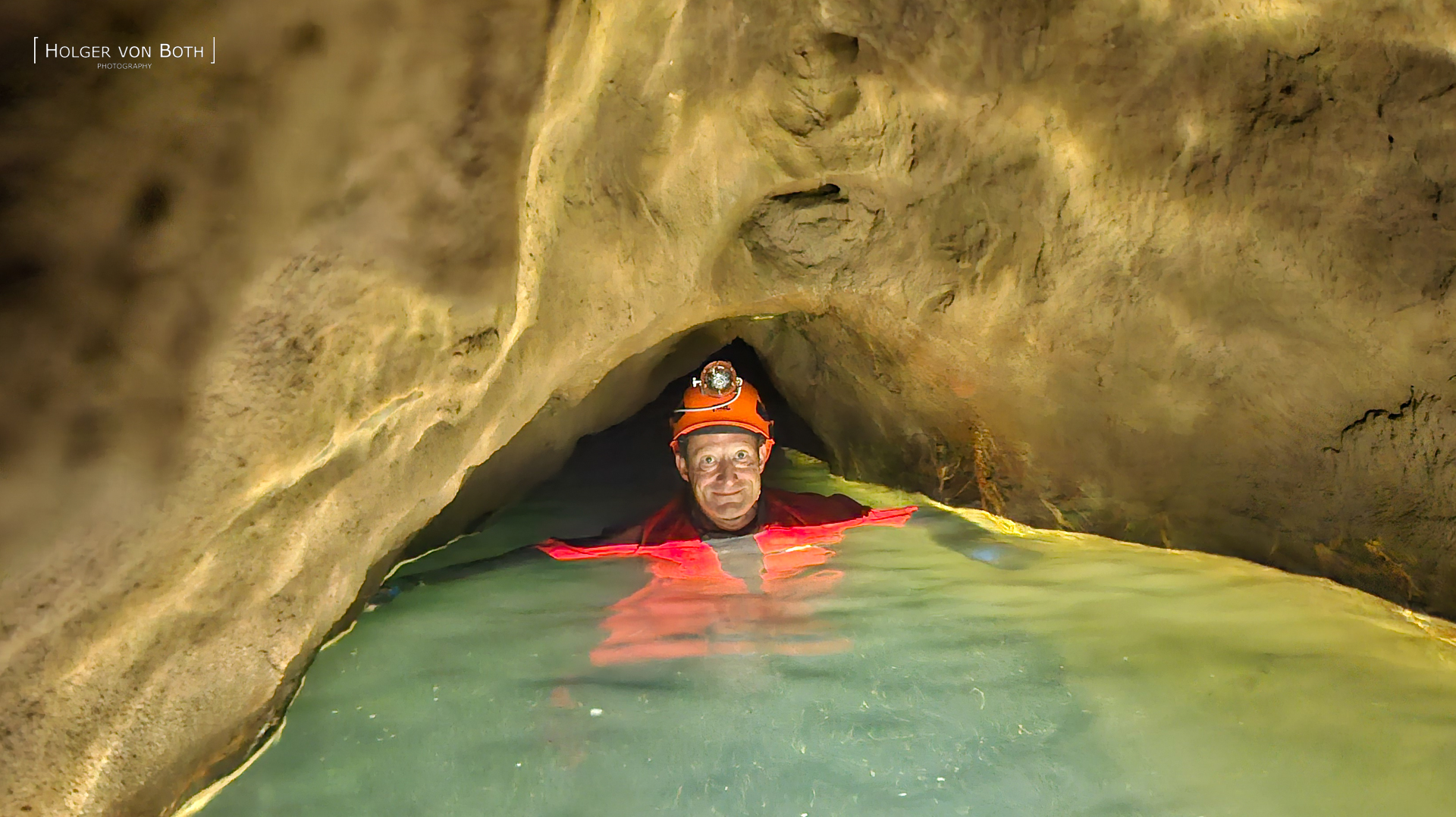
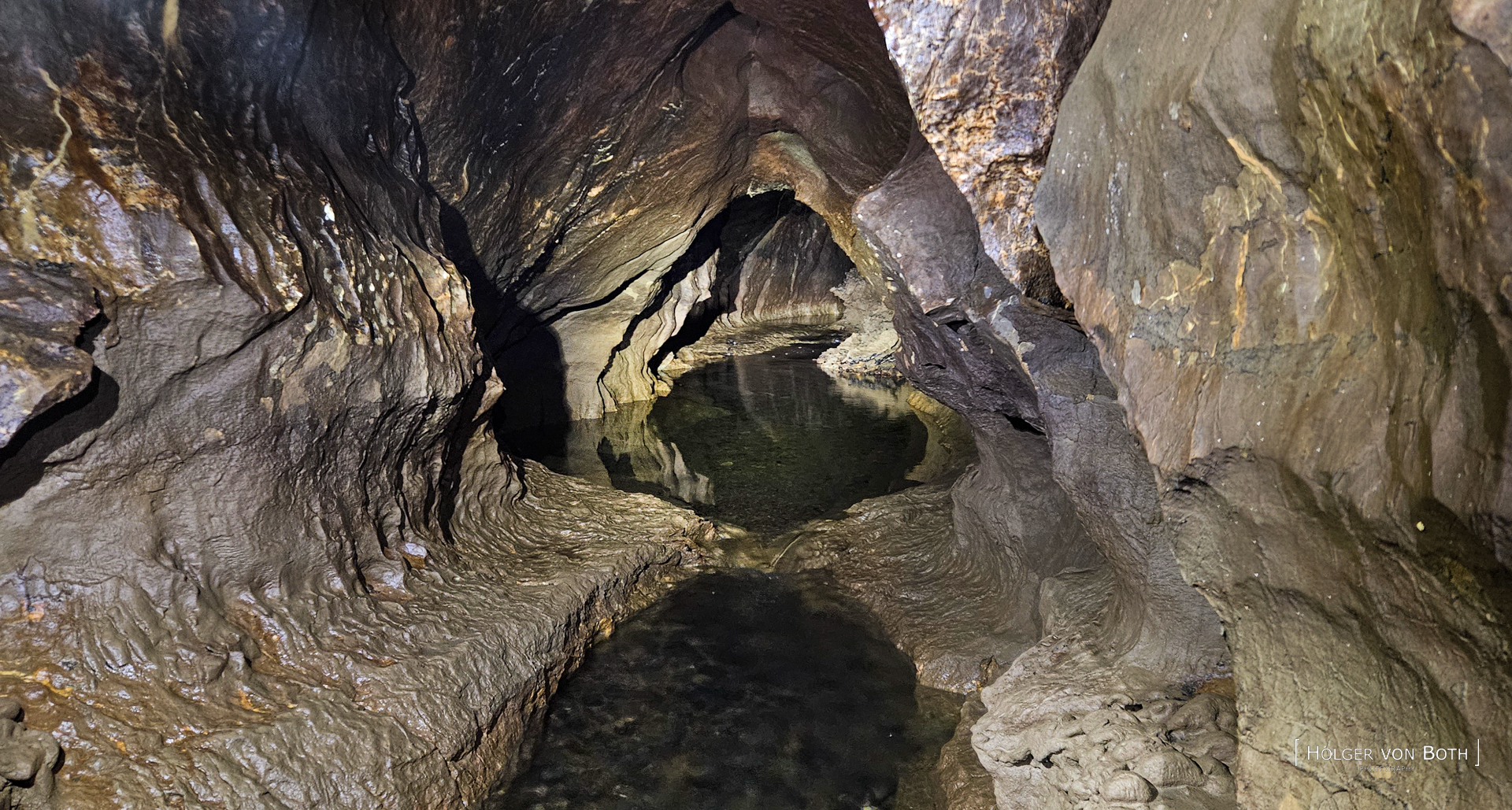
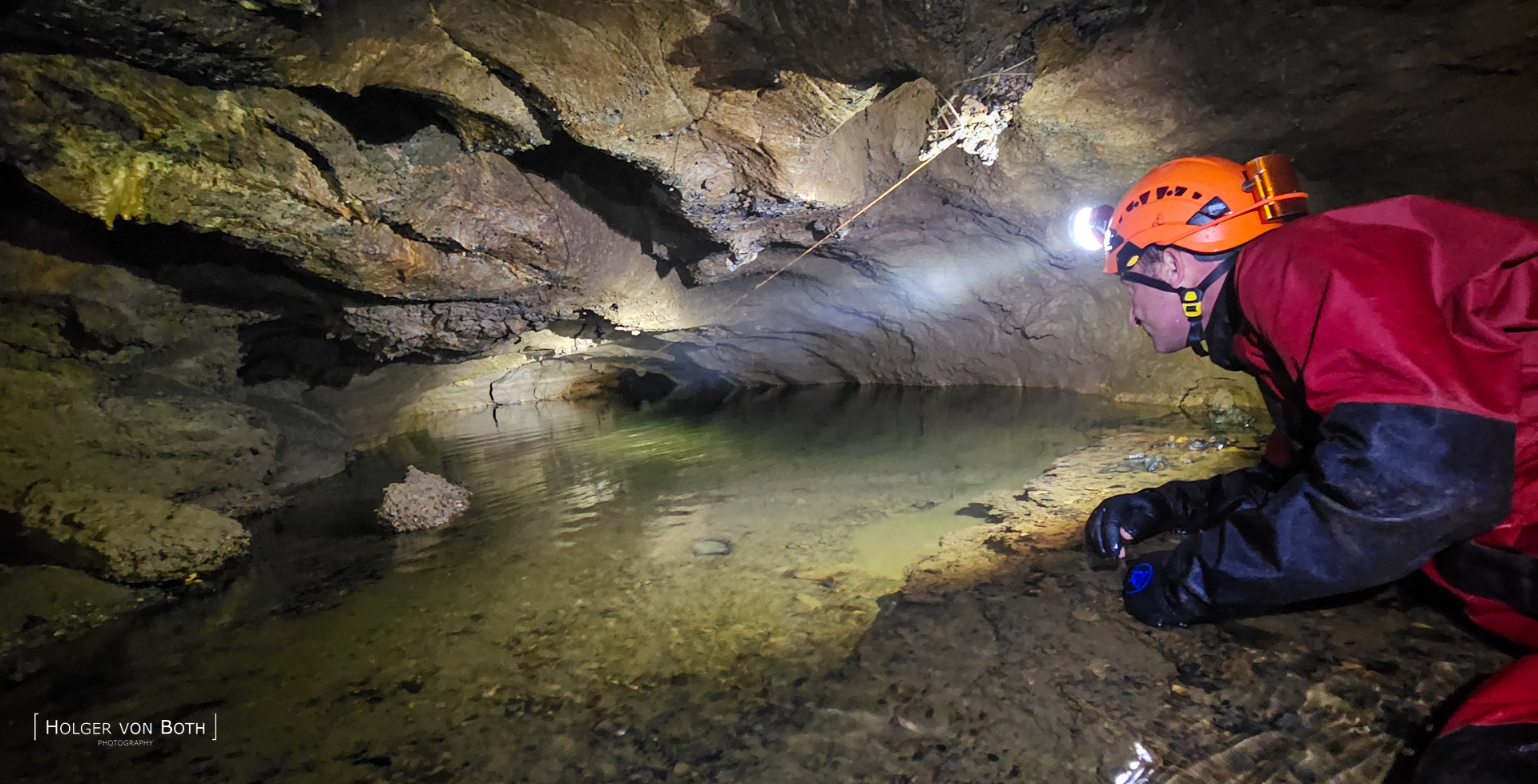
Brandloch Cave is a remote and technically demanding cave system. It features narrow passages, complex formations, and partially submerged sections. Access is restricted and requires specialized climbing and cave diving equipment.
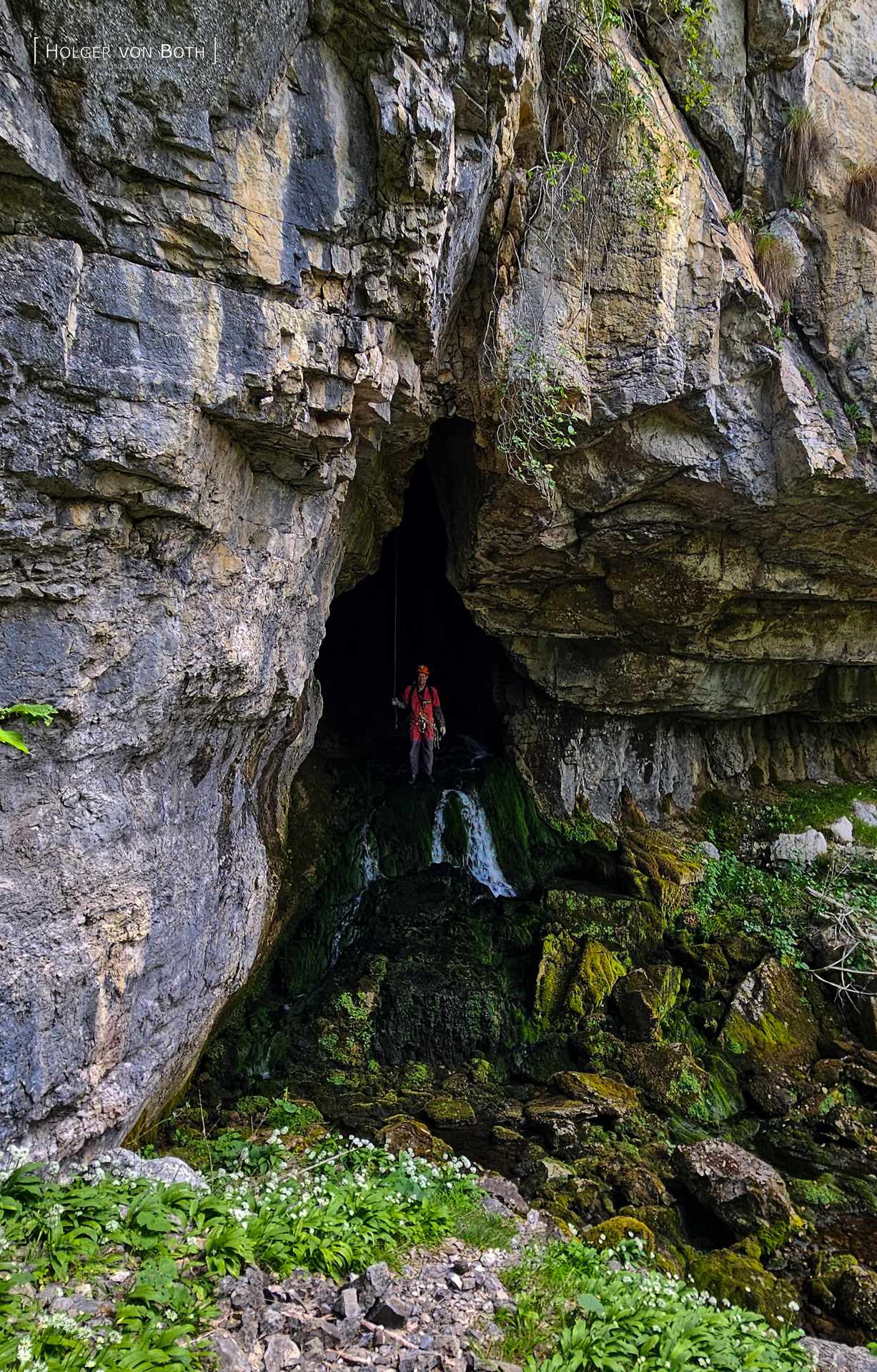
Caves and Geology – Lake Thun (Thunersee)
The limestone formations around Lake Thun have been shaped by erosion over millennia, creating extensive karst systems. These formations include caves, underground waterways, and interconnected geological structures.
Beatus Caves (St. Beatus-Höhlen) and Bätterich Cave
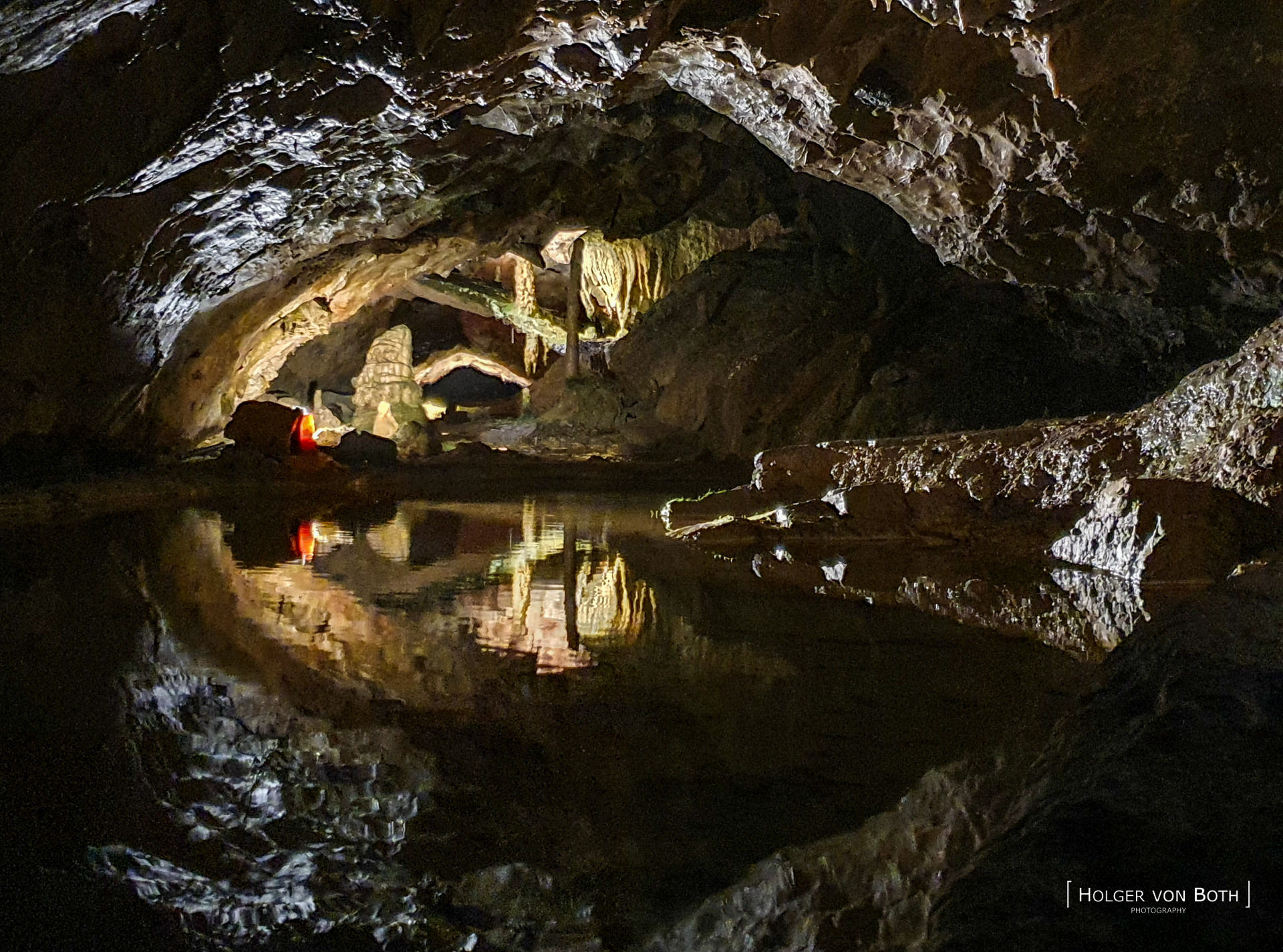
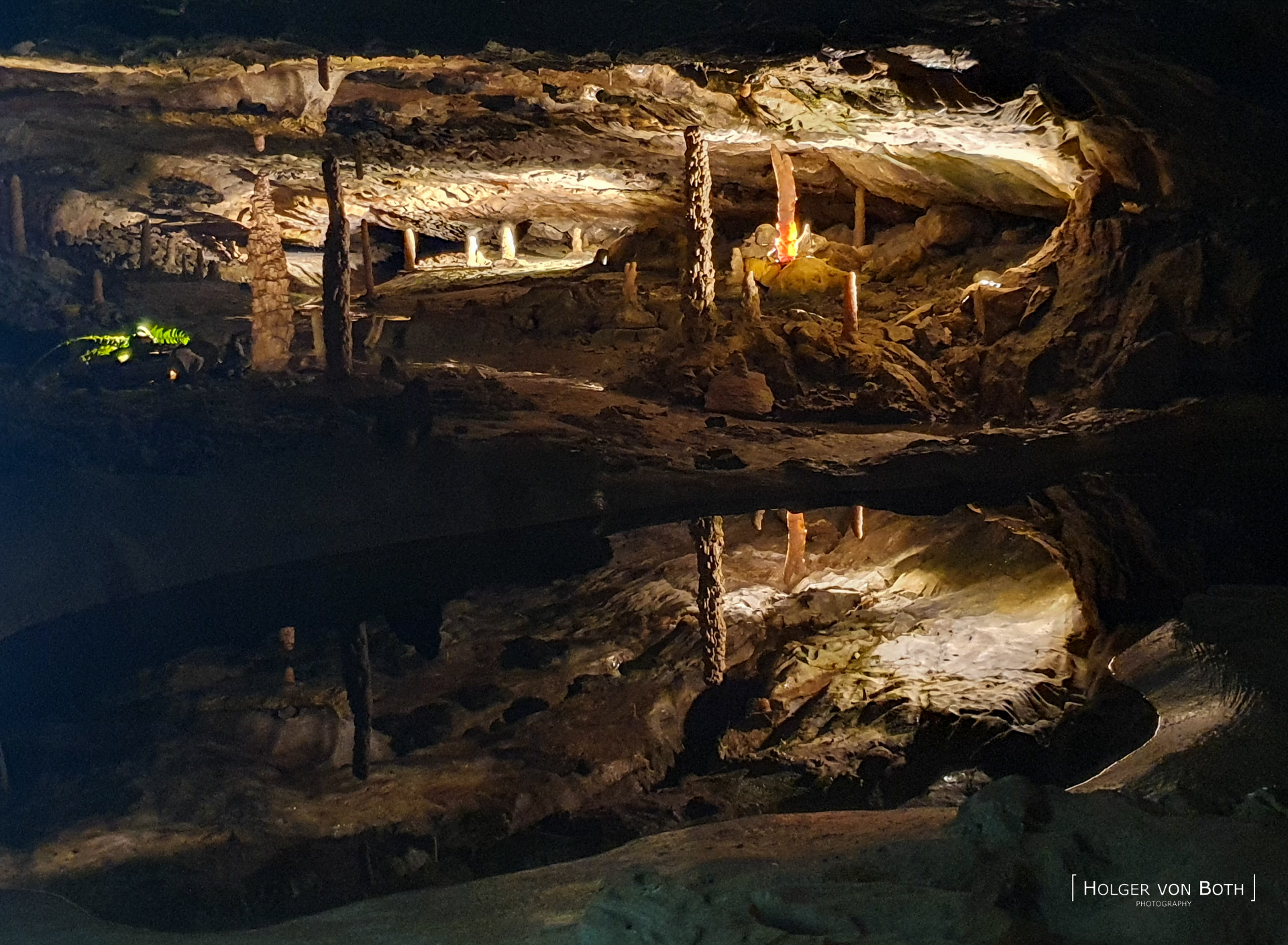
The Beatus Caves are located on the northern shore of Lake Thun and represent one of Switzerland’s most well-known cave systems. They feature stalactites, stalagmites, underground chambers, and water passages. The system is historically associated with Saint Beatus. The nearby Bätterich Cave is part of the same geological system and includes additional complex formations and passages relevant for advanced exploration.
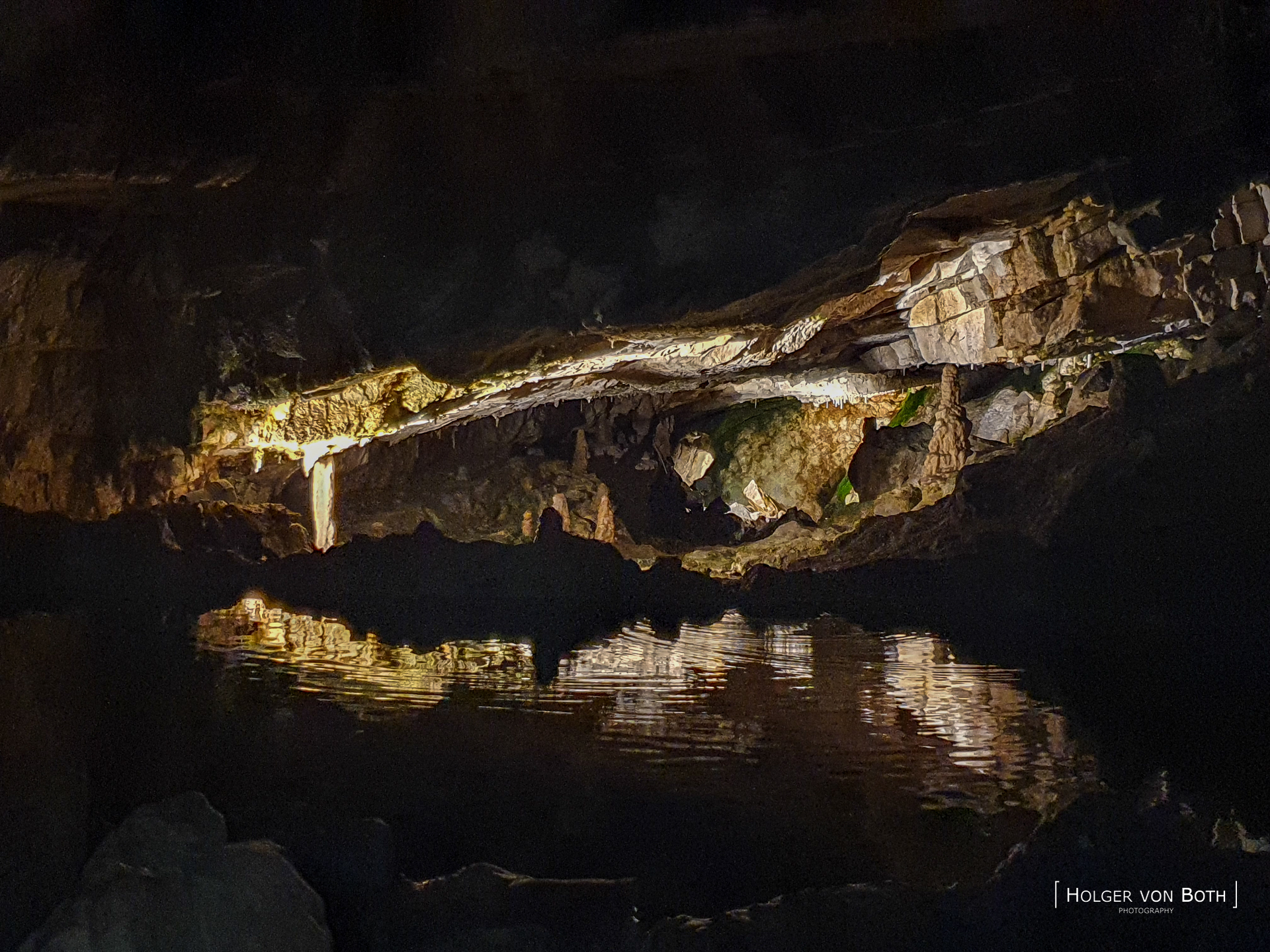
Sorgente del Brenno Cave (Ticino)
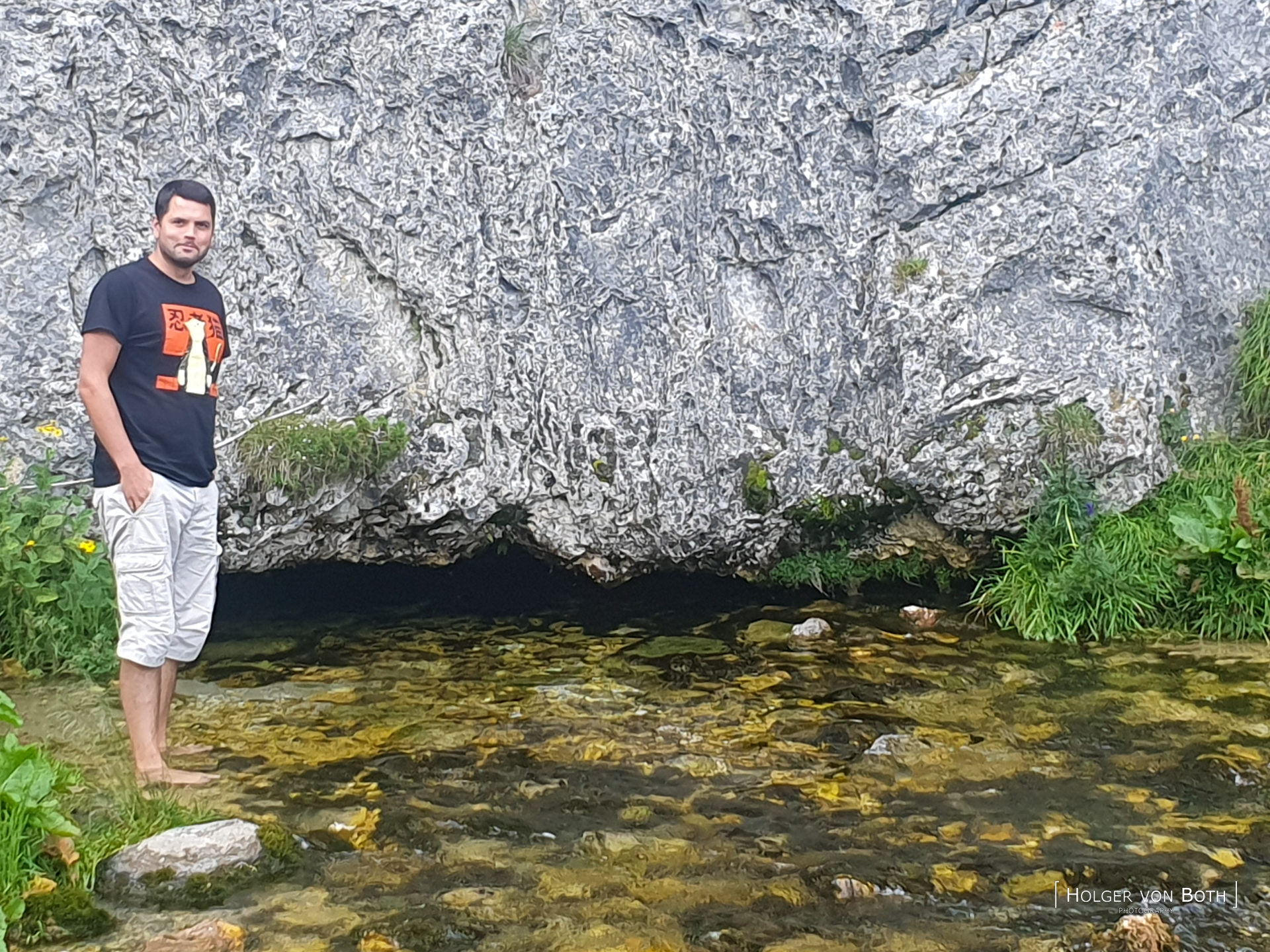
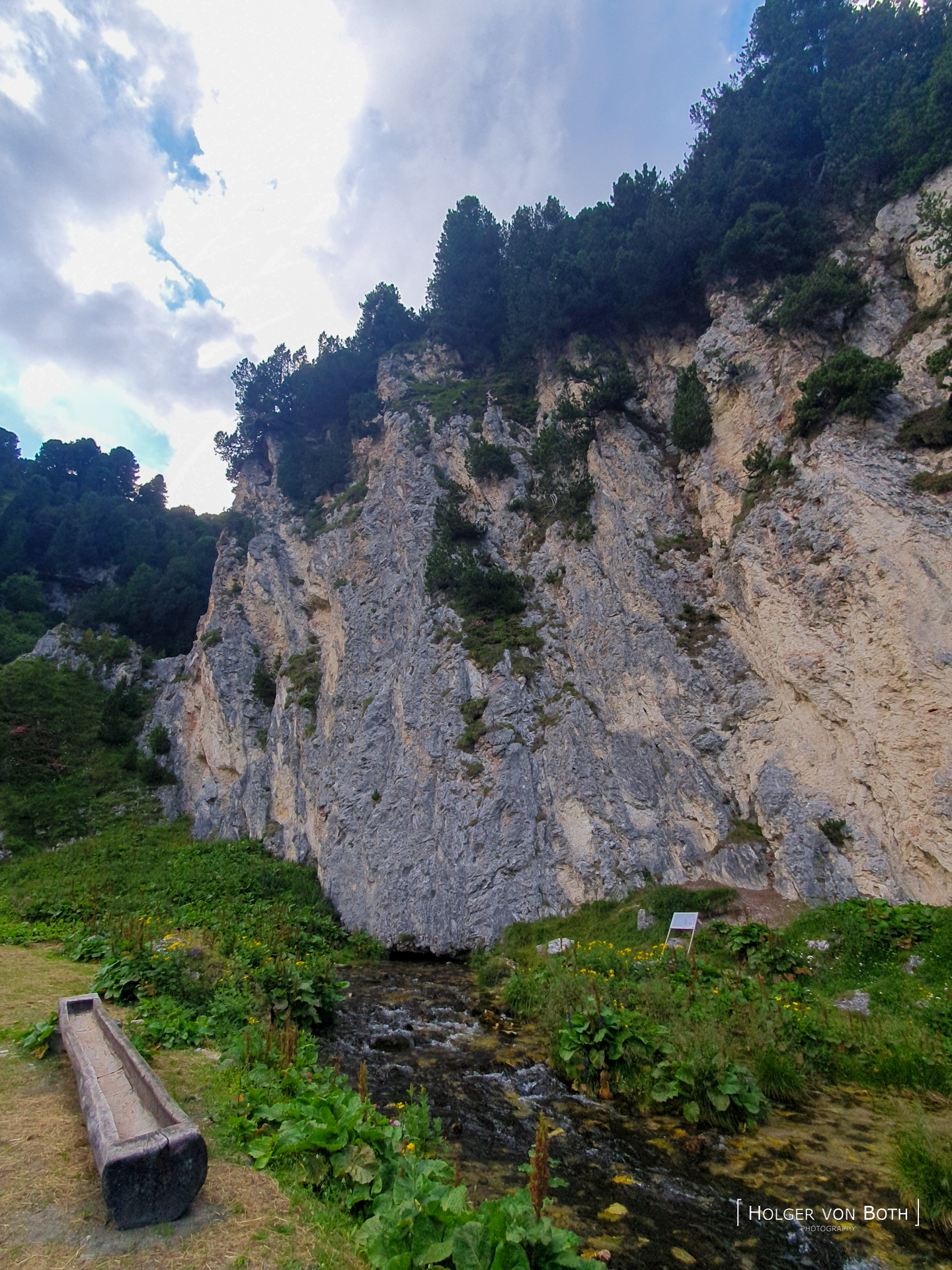
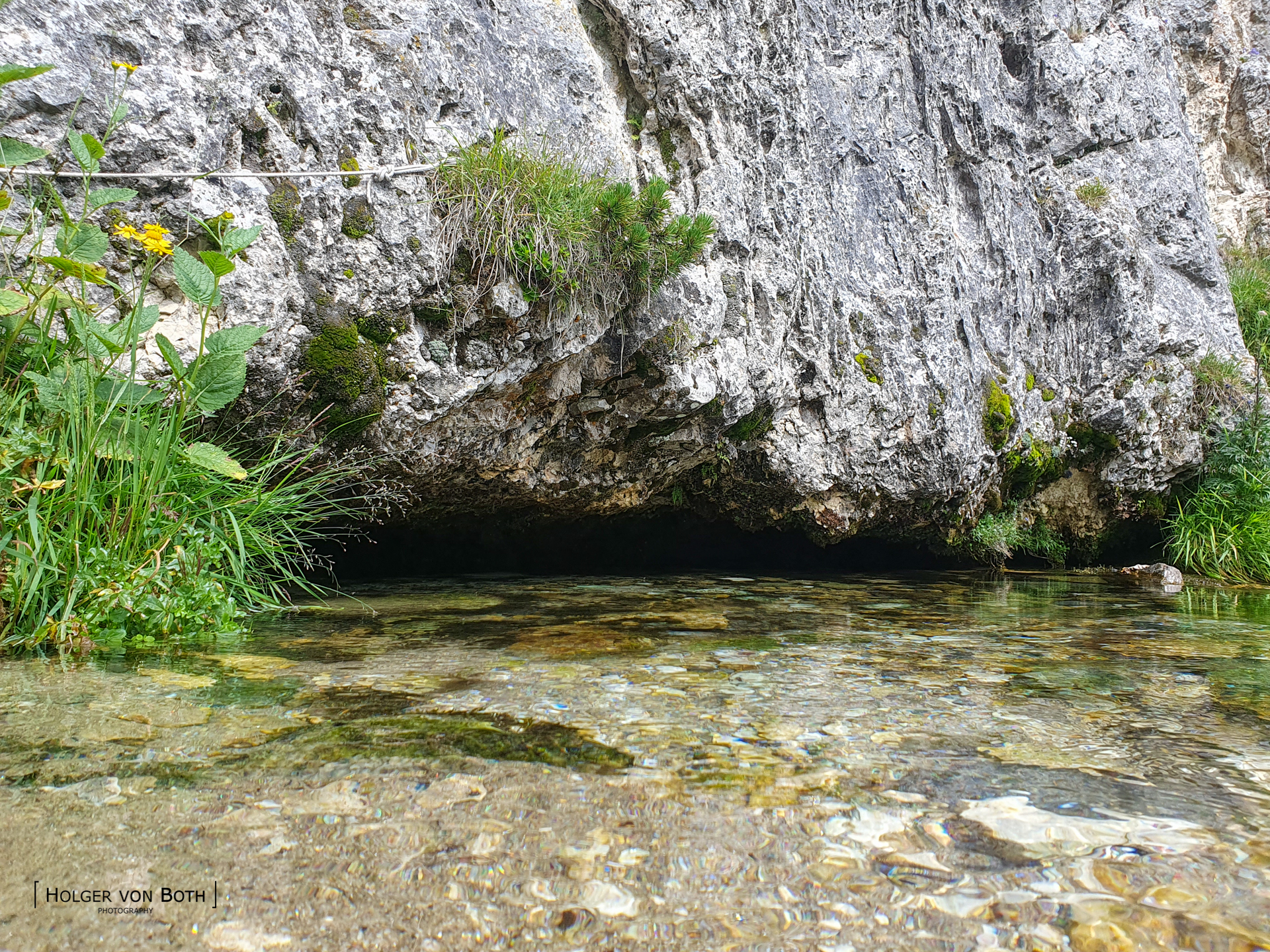
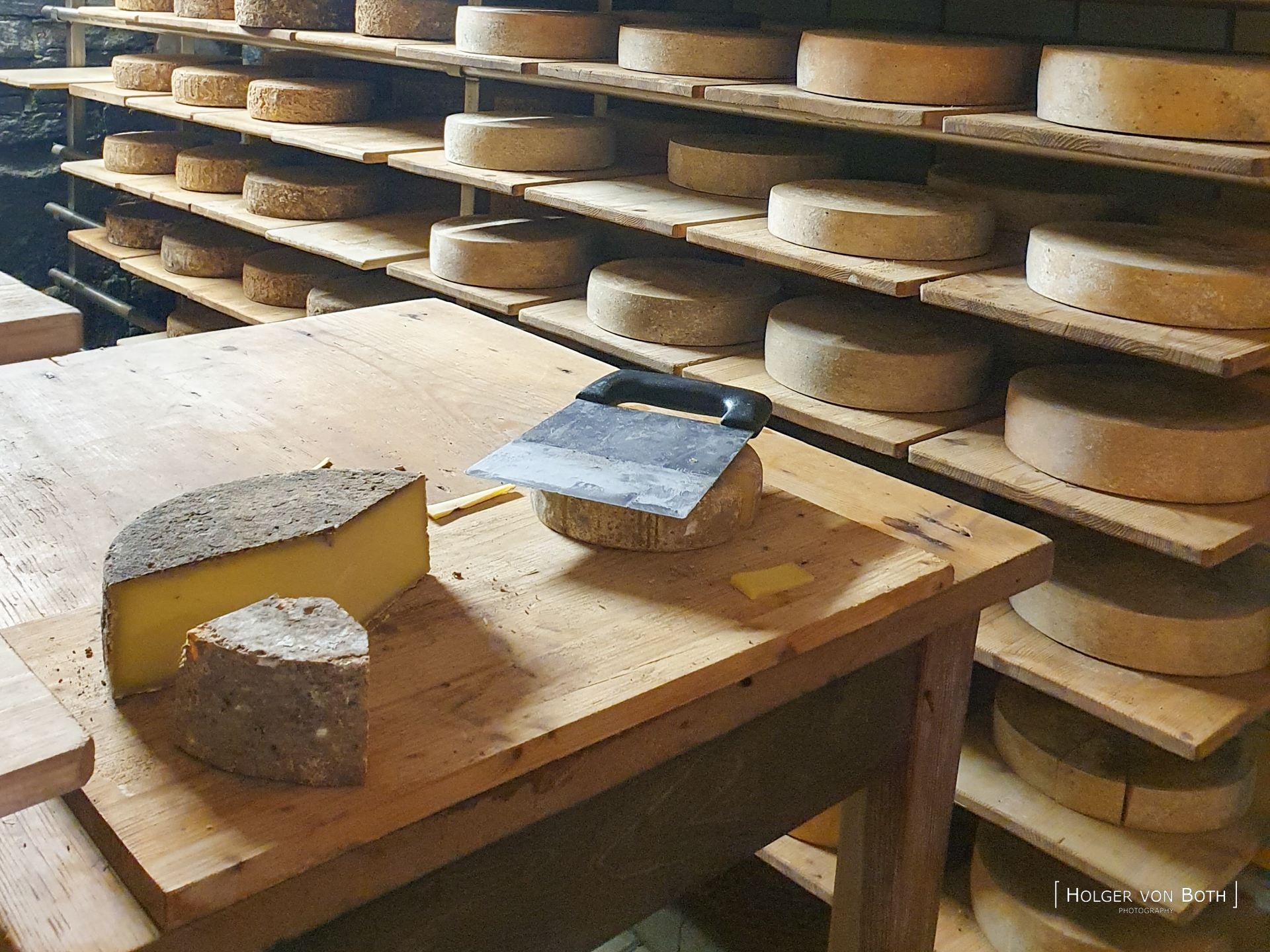
The Sorgente del Brenno cave system in southern Switzerland is a highly technical cave diving environment. It is known for narrow entrances, crystal-clear freshwater, and complex underwater passages. The system ranges mostly between 20 and 40 meters depth, with sections reaching approximately 60 meters. Due to its configuration, it is accessible only in sidemount configuration and requires advanced cave diving certification. The cave features cold water conditions year-round and highly structured geological formations. The entrance area is located near a small artisanal cheese production site, reflecting the rural character of the region.
Diving experience in Switzerland
Switzerland offers a diverse range of cold-water diving environments, from accessible alpine lakes to more complex cave-related and overhead systems. These environments are shaped by alpine geology and distinct freshwater conditions.
The country is particularly known for clear lakes and technically demanding environments that vary strongly with depth and season.
Switzerland is characterized by:
- cold freshwater conditions
- high visibility in alpine lakes
- variable depth profiles
- limited light penetration
- technical and overhead environments
Plan your diving experience in Switzerland
Diving in Switzerland requires careful preparation, awareness of local conditions and appropriate certification depending on the site. Temperature, visibility and seasonal factors can change dive conditions significantly.
Other Underwater Environments
If you are interested in exploring more underwater environments, you can also view galleries from:
Madagascar, Hungary, Mexico, France, Germany, and Italy.